RICS Help to Buy Valuation: Complete Guide for Homeowners
If you own a property purchased through the Help to Buy equity loan scheme, you’ll eventually need a RICS Help to Buy valuation. Whether you’re selling your home, remortgaging, or
When buying a property, understanding its condition is crucial to making an informed decision. A Level 2 Survey, also known as a RICS Home Survey Level 2 (formerly called a
When purchasing a property, one crucial question many first-time buyers ask is whether they need a home survey. This comprehensive guide will help you understand the importance of property surveys,
Buying a home is likely the biggest investment you’ll ever make. While the process can be exciting, it also comes with significant risks if you don’t know exactly what you’re
Recent legislative action in March 2026 has set the stage for transformative changes in how property transactions unfold across the housing market. The 21st Century Road to Housing Act, which passed the U.S. Senate on March 13, 2026, introduces measures designed to streamline housing construction and regulate institutional investment[1]. While…
Landlords across England now face a critical compliance bottleneck: without registration on the new Private Rented Sector (PRS) database, they cannot serve Section 8 eviction notices—even when major property works become urgent. This regulatory shift has triggered an unprecedented wave of party wall surveys as landlords rush to complete compliance…
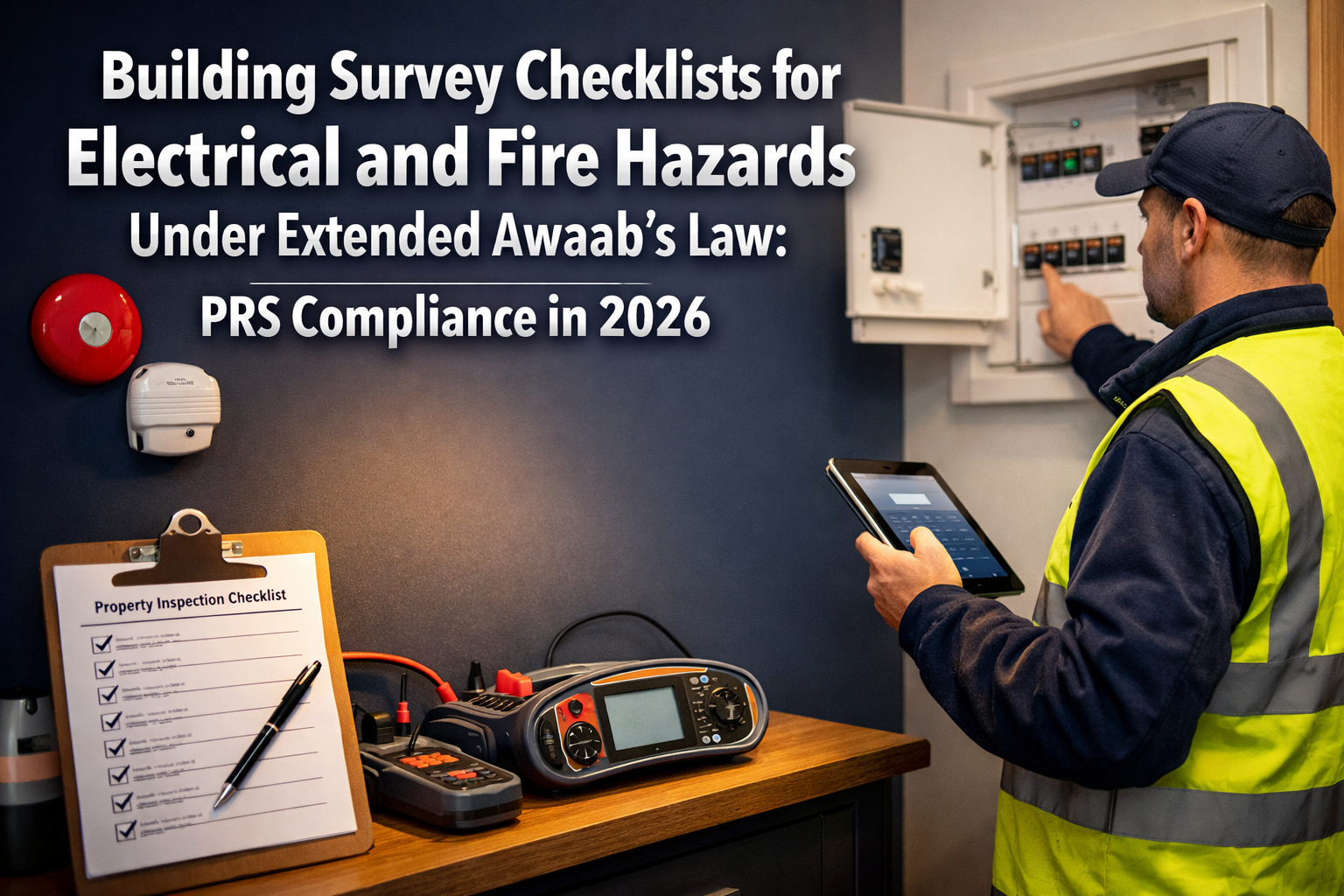
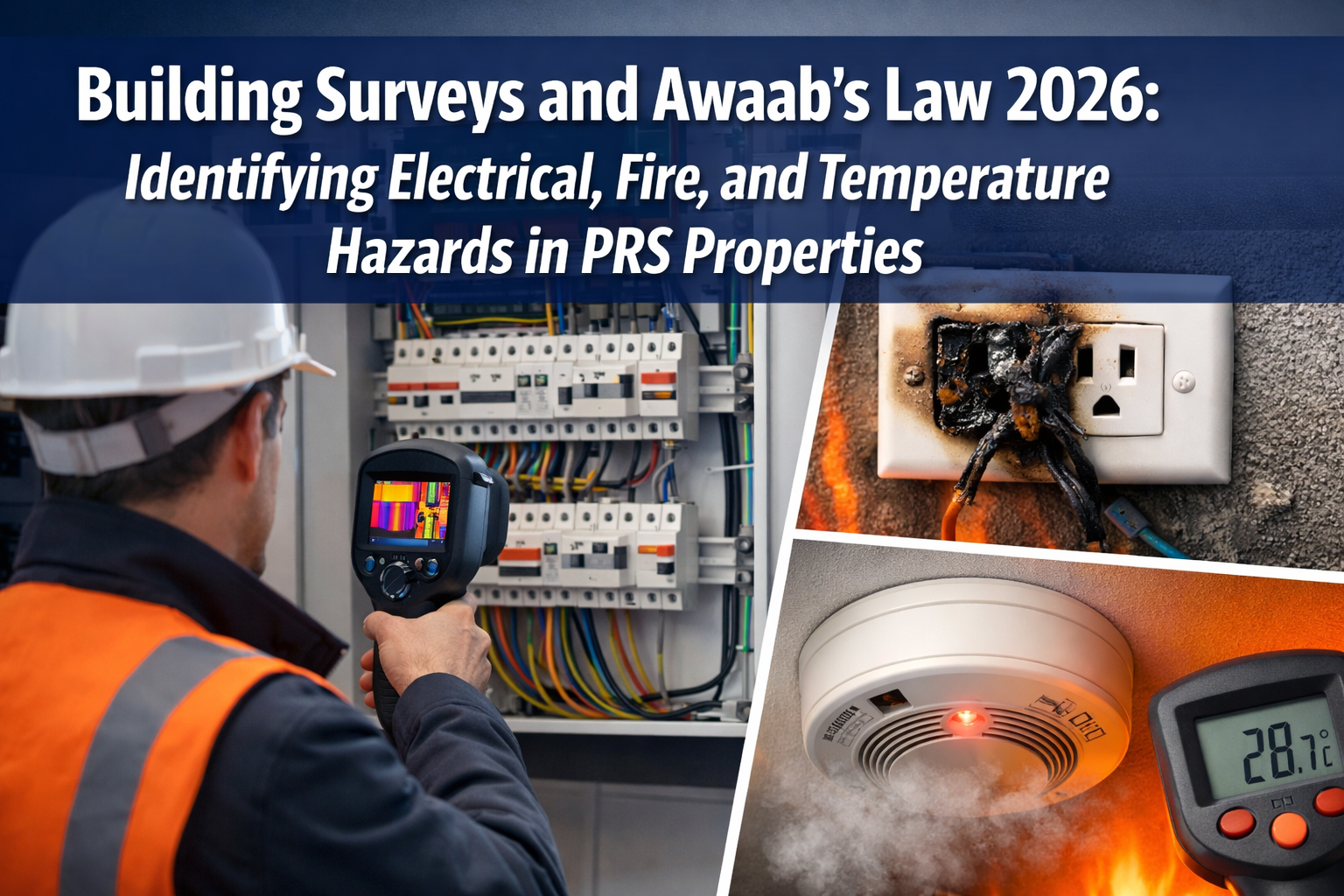
Social landlords face a stark reality in 2026: Phase 2 of Awaab's Law now mandates strict timelines for electrical and fire hazard remediation, with emergency defects requiring completion within just 24 hours or provision of alternative accommodation at the landlord's expense.[2][3] This expansion transforms how private rental sector (PRS) portfolios…


The March 2026 RICS Residential Market Survey reveals a stark reality: house price net balances have dropped to -15%, with new buyer enquiries falling by -22% compared to the previous quarter. These numbers signal a fundamental shift in the UK property market, one that demands immediate attention from chartered surveyors…
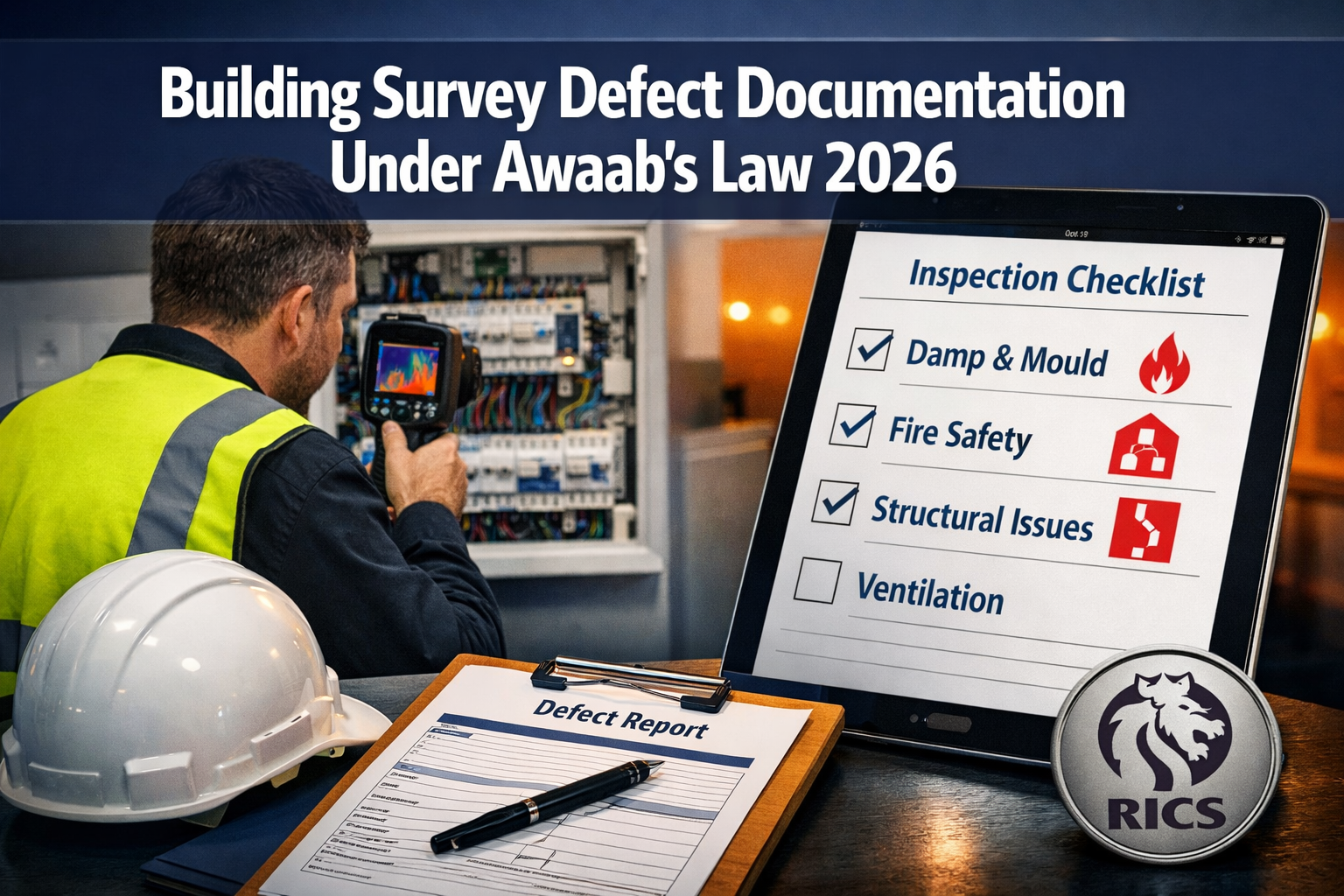
Landlords and building surveyors across England now face unprecedented liability exposure. With Awaab's Law Phase 2 enforcement beginning in 2026, the private rented sector (PRS) must comply with strict timelines for documenting and remedying fire hazards, electrical risks, and structural defects—or face regulatory action and potential criminal penalties. The legislation,…
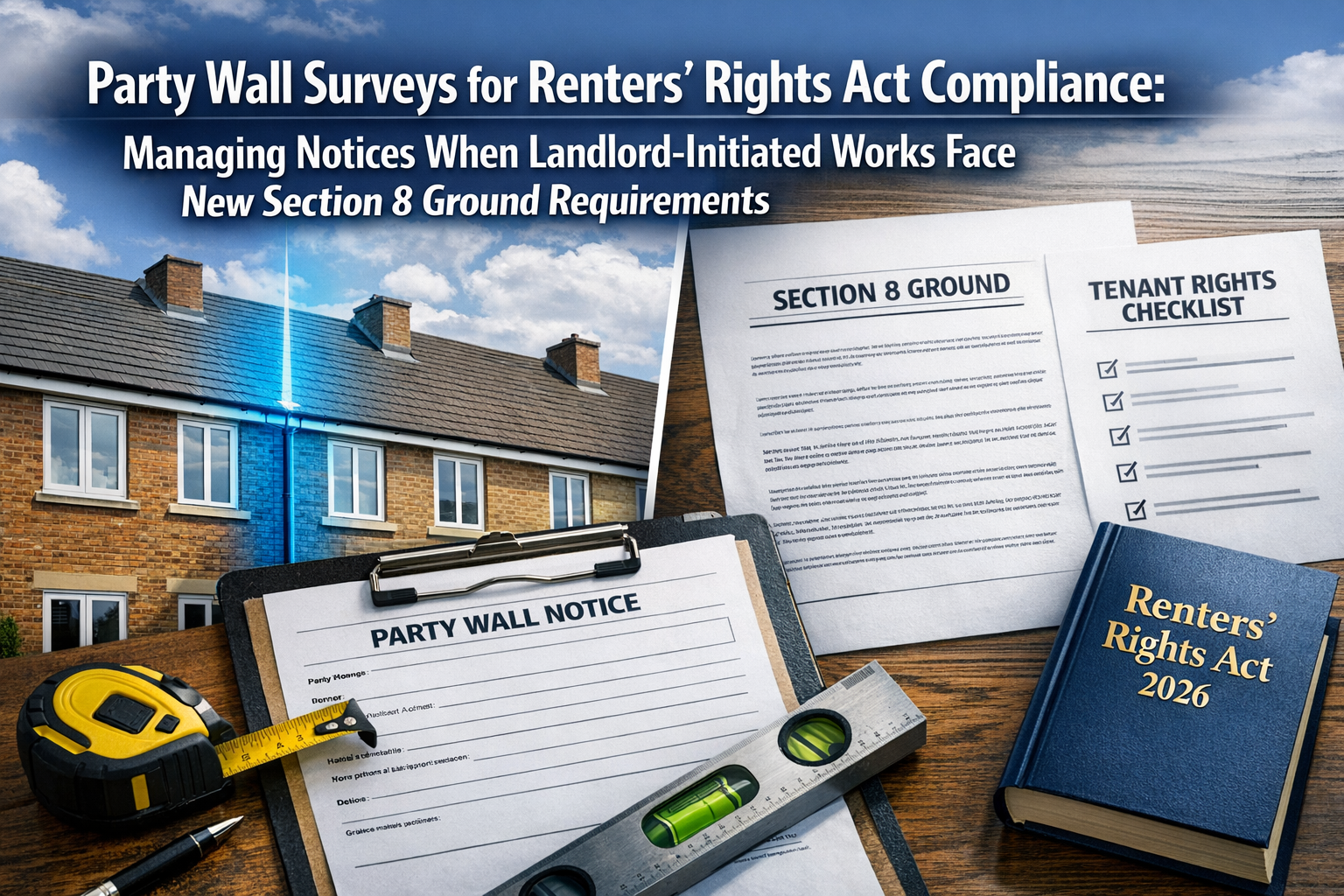
The abolition of Section 21 "no-fault" evictions under the Renters' Rights Act 2026 has fundamentally altered how landlords approach property improvements—particularly when those works trigger party wall procedures. With landlords now required to justify evictions through specific Section 8 grounds, party wall surveys have evolved from purely technical assessments into…
The UK residential investment market faces its most significant structural shift in decades: landlord instructions to estate agents have dropped by 22% year-on-year, while institutional investors are quietly re-pricing entire portfolios downward by 6-10%. The catalyst? The Renters' Rights Act 2026 has abolished Section 21 "no-fault" evictions and mandated automatic…
The tragic death of two-year-old Awaab Ishak from prolonged mould exposure in 2020 catalyzed legislative reform that fundamentally altered landlord obligations and tenant remedies in the UK rental sector. By 2026, Awaab's Law has expanded beyond its initial focus on damp and mould to encompass fire safety, electrical hazards, and…
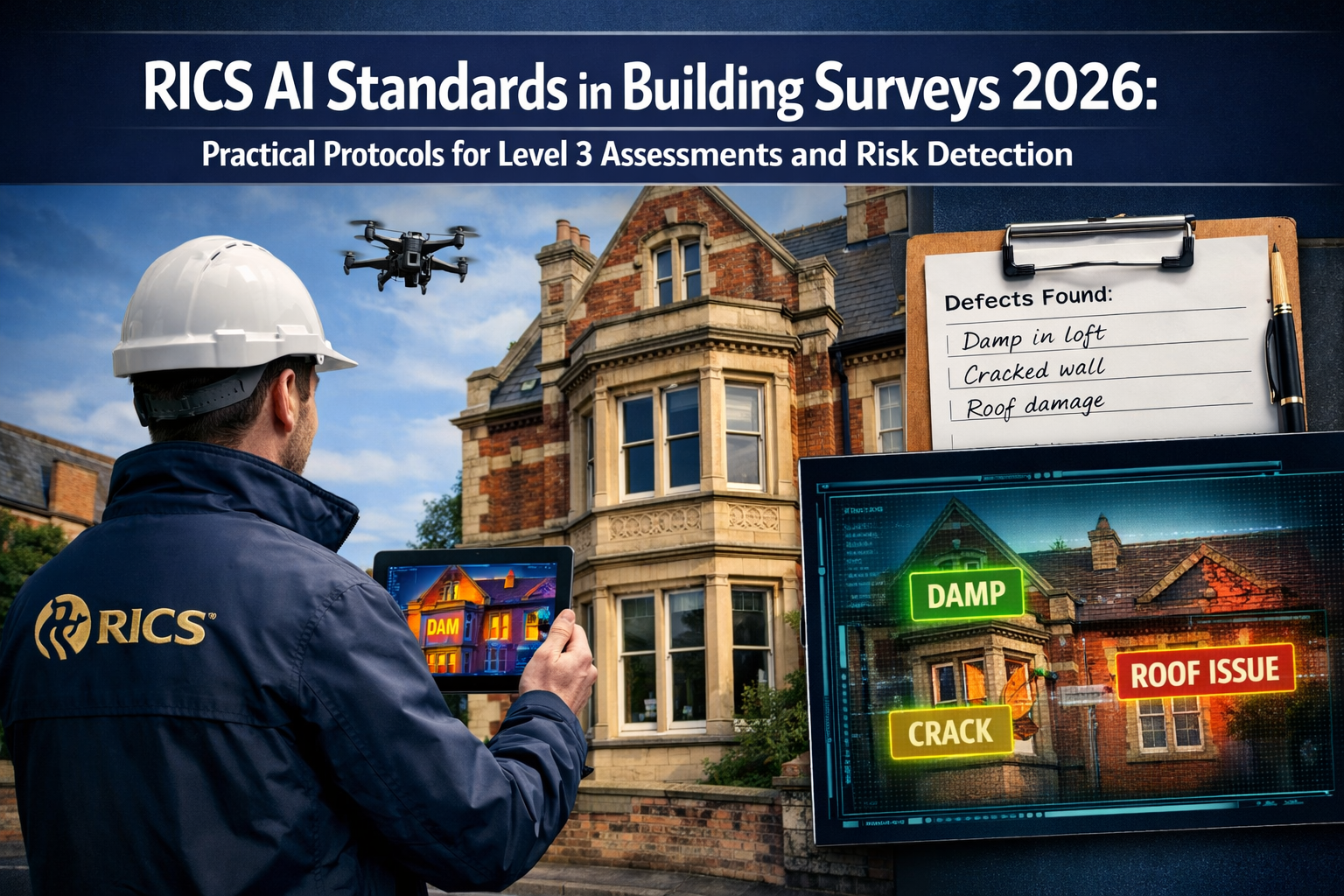
The Royal Institution of Chartered Surveyors (RICS) has drawn a line in the sand: as of March 9, 2026, all members and regulated firms must comply with the profession's first-ever mandatory standard on responsible artificial intelligence use [3]. This watershed moment arrives as AI-powered defect detection systems proliferate across construction…
Record vacancy rates of 7.2% emerged in 2024 as over 600,000 new multifamily units flooded rental markets, yet by 2026, the landscape has shifted dramatically—landlord instructions have plummeted 27% while tenant demand remains remarkably stable, creating unprecedented challenges for property valuation surveyors[1]. This supply-constrained environment demands entirely new approaches to…
Institutional investors now control approximately 574,000 single-family rental homes across the UK, yet 68% of surveyed property managers admit confusion about party wall notice requirements under the 2026 Renters' Rights Act. This legislative shift has fundamentally transformed how large-scale landlords approach property modifications, placing tenant rights at the forefront of…
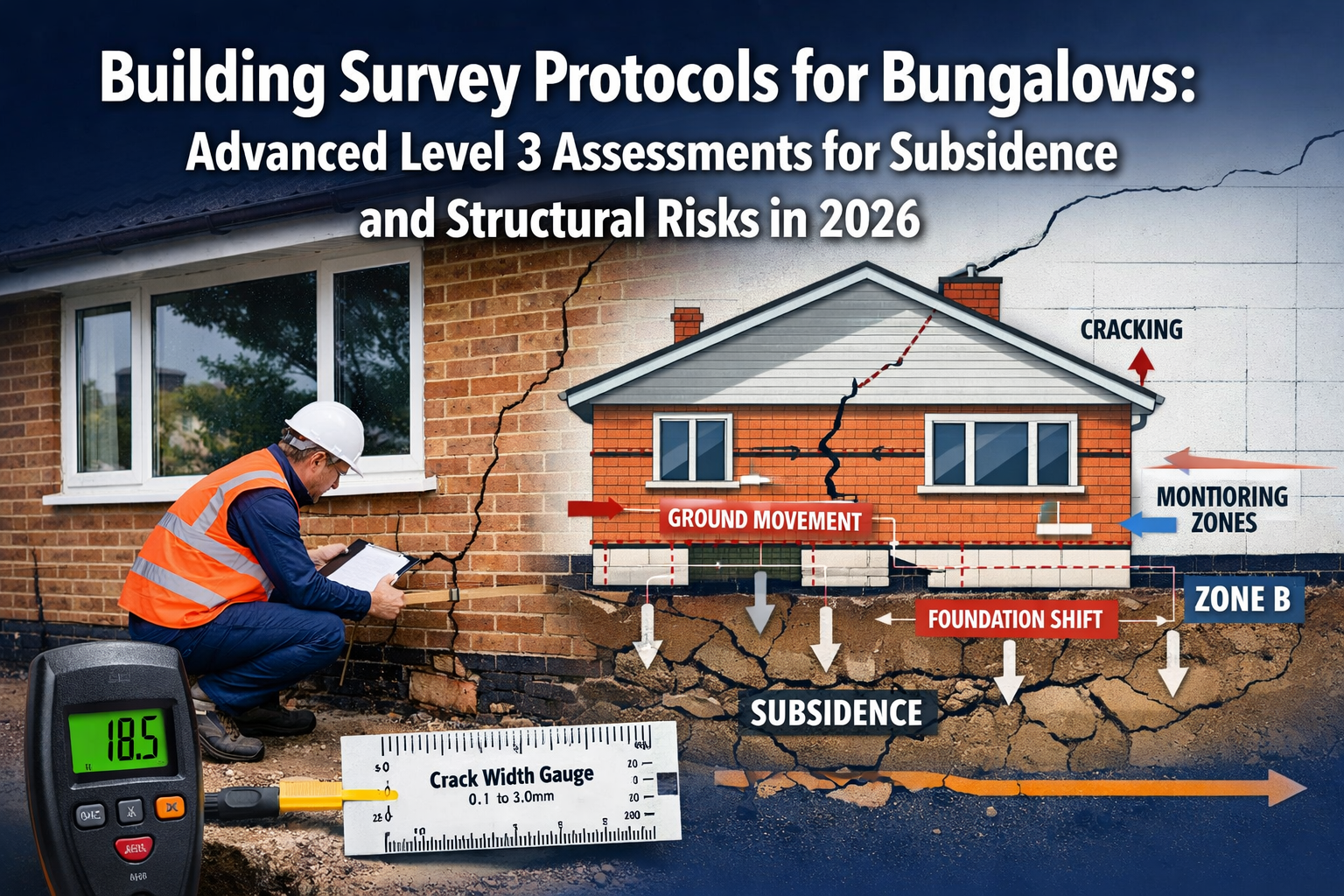
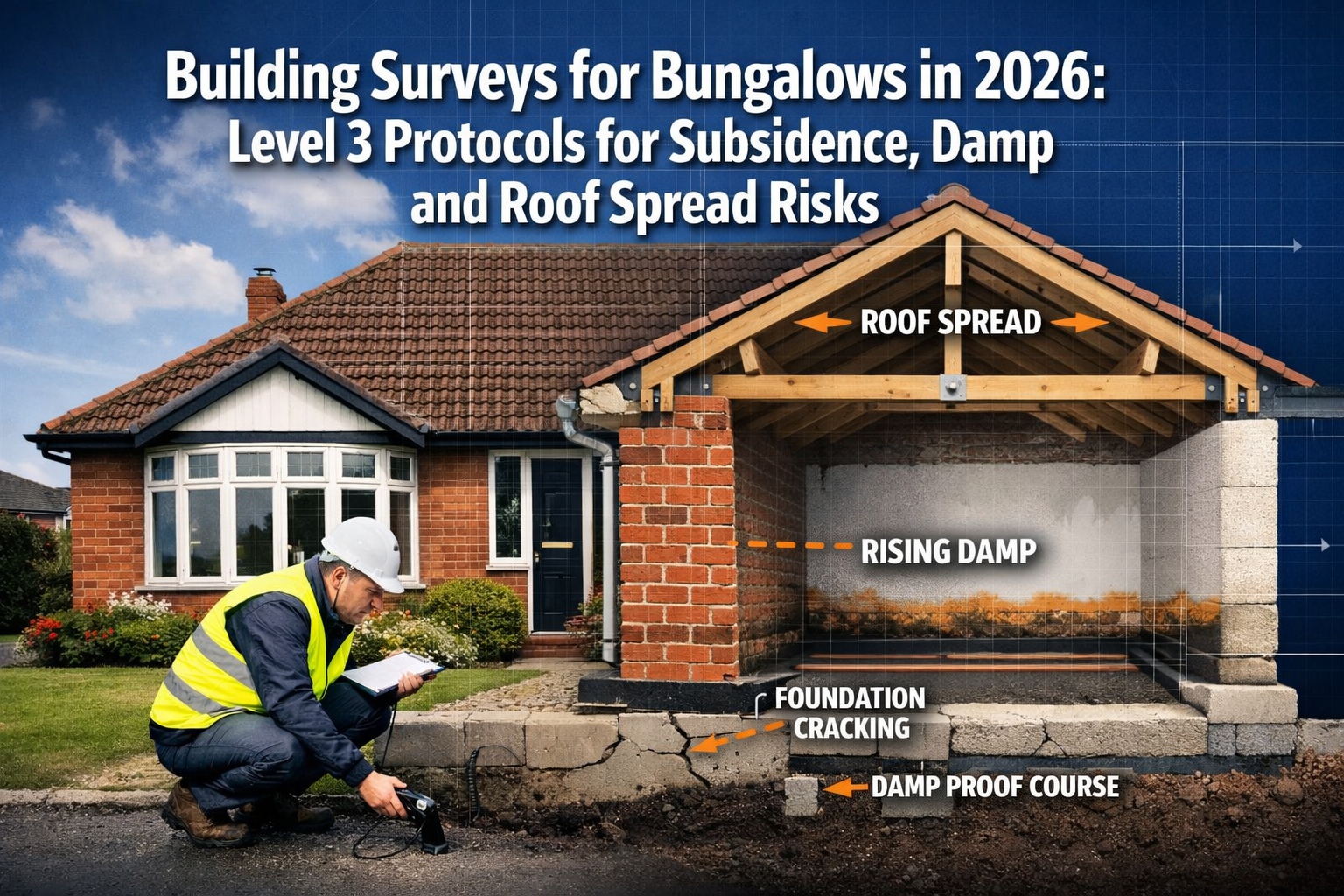
Bungalows account for approximately 9% of the UK housing stock, yet they represent a disproportionately high percentage of subsidence claims—nearly 15% according to insurance industry data. This structural vulnerability, combined with aging building stock and climate-related ground movement, makes comprehensive assessment protocols essential for property transactions in 2026. Building Survey…
The UK residential property market has entered a critical phase as buyer enquiries plummeted to -26% net balance in February 2026, marking the sharpest monthly deterioration since late 2025 and shattering the brief optimism that characterized the early weeks of the year. This dramatic reversal presents unprecedented valuation challenges in…
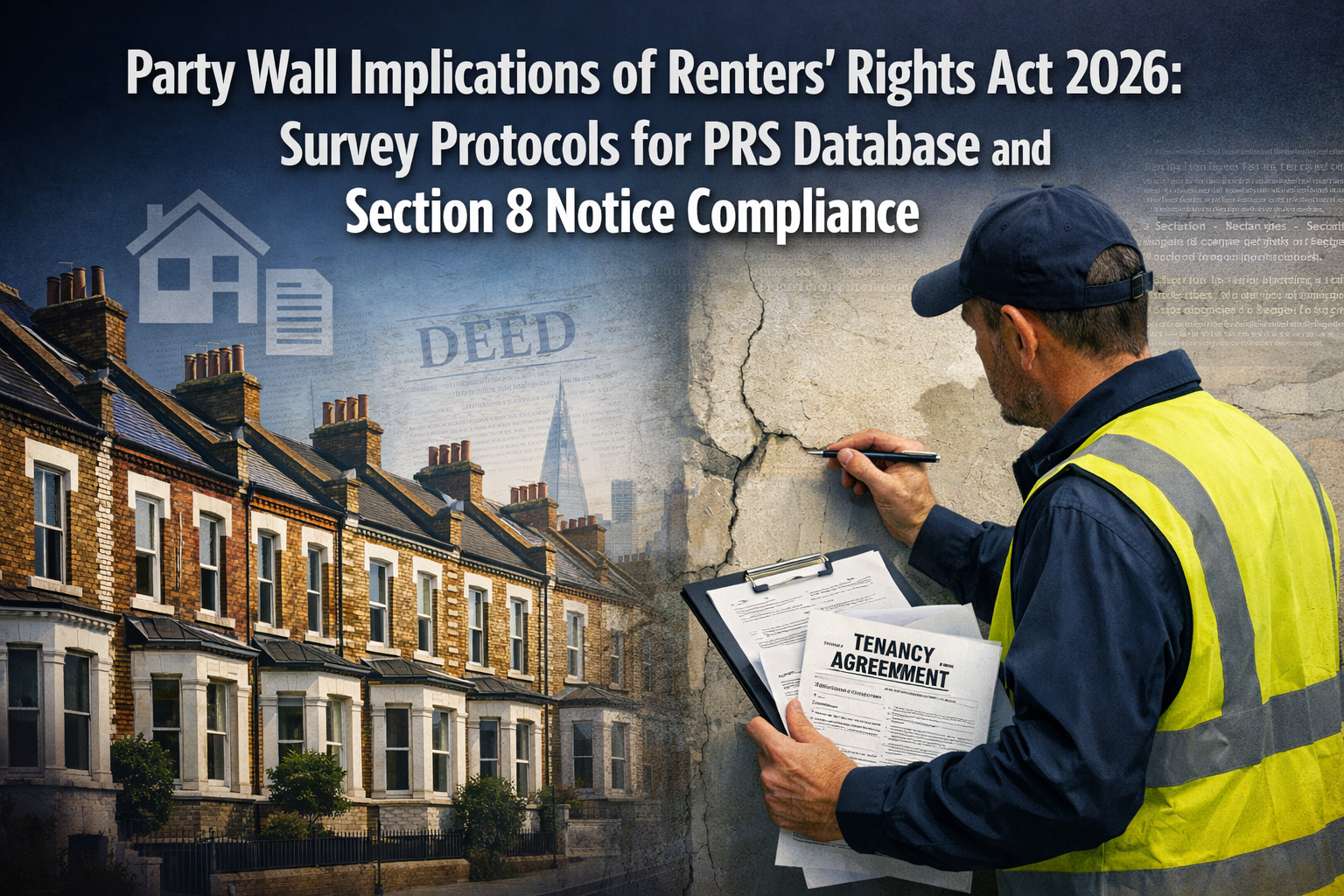
Starting 1 May 2026, landlords conducting party wall works on rental properties face a fundamentally altered legal landscape where traditional eviction routes vanish and tenant protections intersect with structural survey obligations in unprecedented ways. The Party Wall Implications of Renters' Rights Act 2026: Survey Protocols for PRS Database and Section…
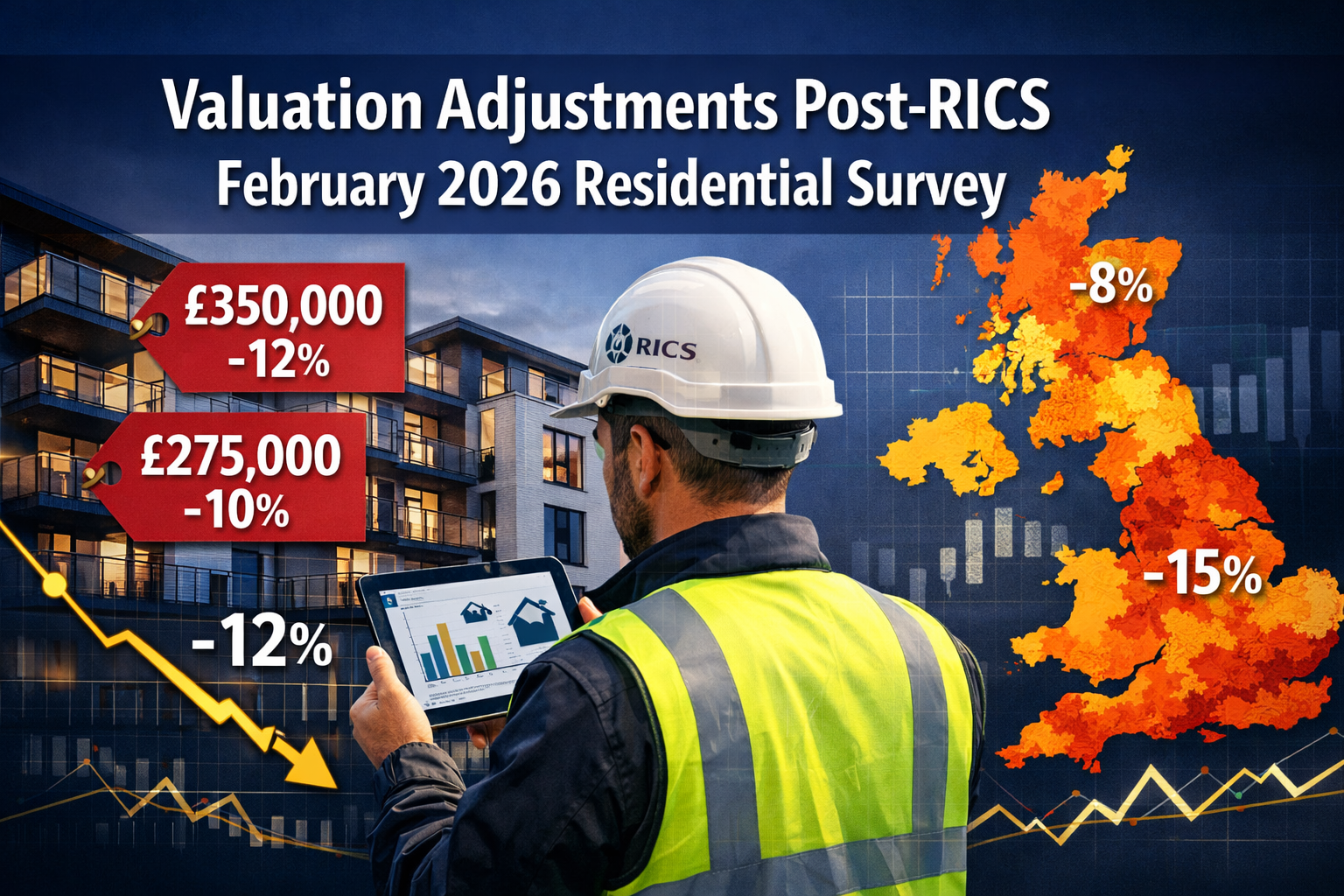
The RICS February 2026 Residential Survey has delivered a stark reality check: national house prices registered a net balance of -12%, buyer enquiries plummeted to -26%, yet tenant demand held remarkably steady at +2%[1][2]. This unusual combination of flat capital values alongside stable lettings demand creates a complex valuation landscape…
The Renters' Rights Act 2025 received Royal Assent on October 27, 2025, fundamentally transforming how landlords approach property modifications in rental properties [4]. With major provisions taking effect May 1, 2026—including the abolition of Section 21 "no fault" evictions and the introduction of assured periodic tenancies—the intersection between tenant rights…
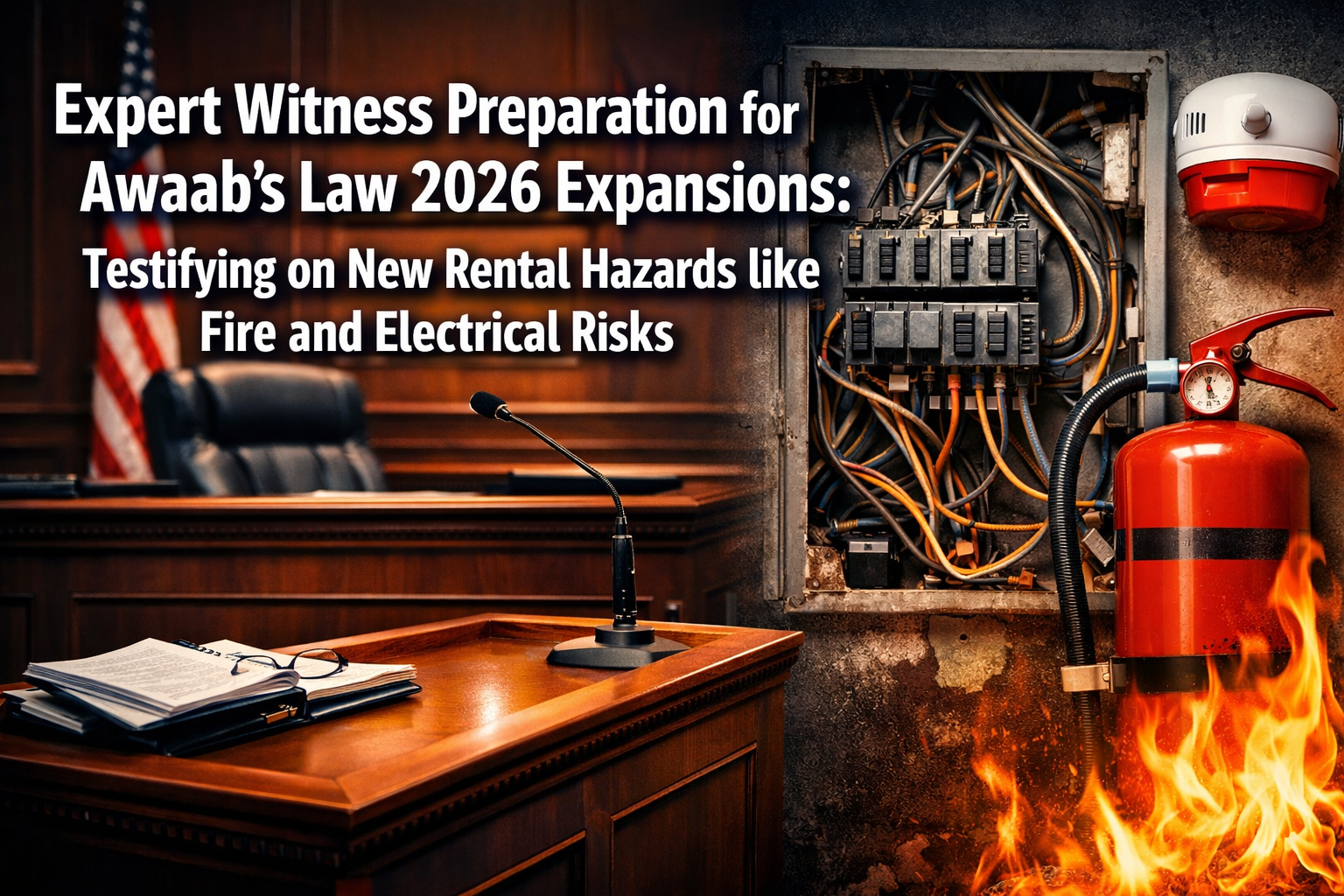
The Housing Ombudsman reported a 42% increase in hazard-related complaints during the first quarter of 2026, with fire safety and electrical risks now accounting for nearly one-third of all disputes under Awaab's Law expansions. This dramatic shift has transformed the landscape for expert witnesses, who must now navigate a significantly…
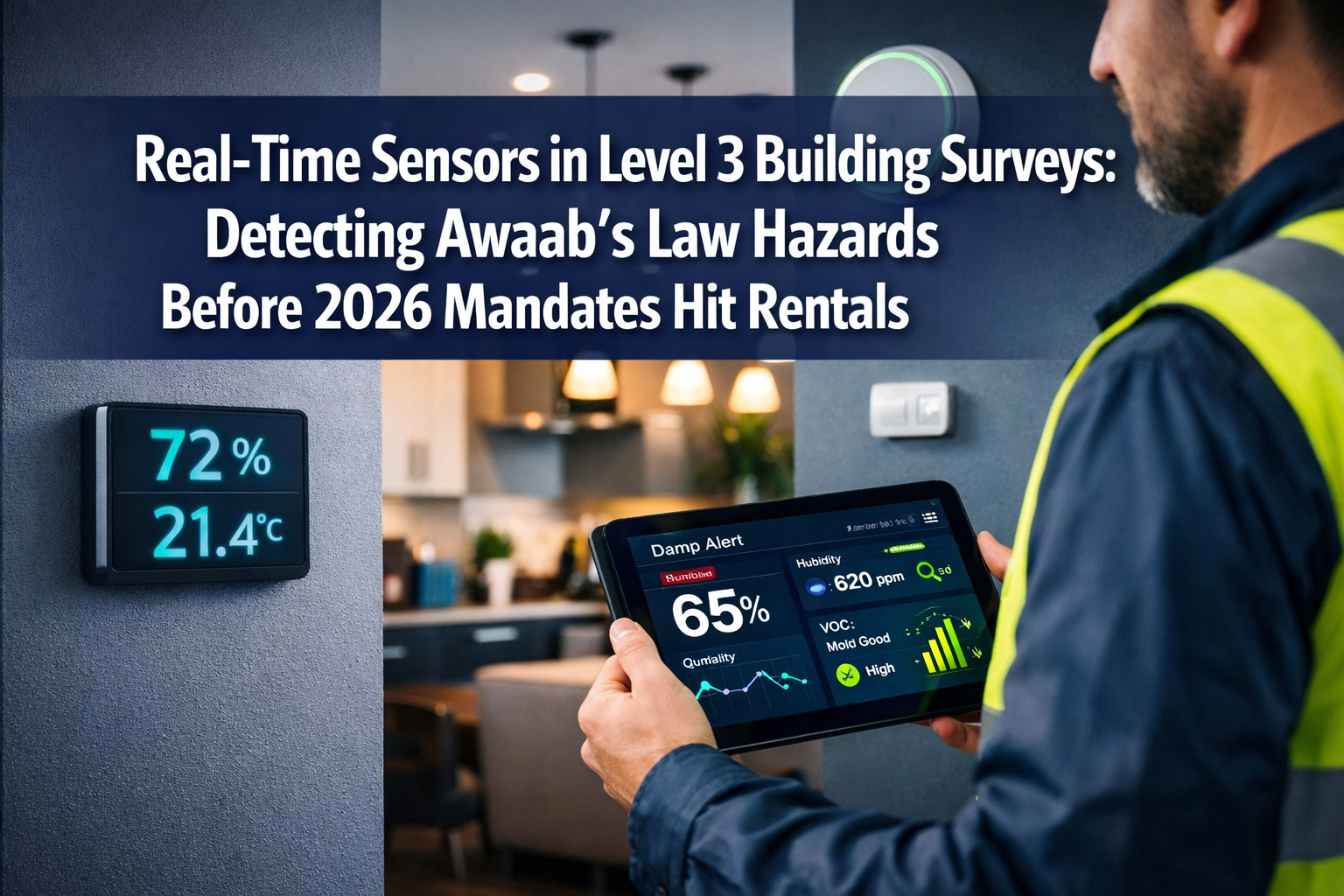
The death of two-year-old Awaab Ishak from prolonged exposure to mould in his family's rented flat sparked a nationwide reckoning. Now, with Awaab's Law extending to the Private Rental Sector (PRS) in 2026, landlords face unprecedented scrutiny over property conditions. Traditional survey methods that rely on periodic inspections and tenant…
Bungalows now account for nearly 9% of the UK housing stock, with demand surging 34% among retirees during the 2026 housing market recovery. Yet these single-story properties harbour unique structural vulnerabilities that standard surveys often miss. Building Surveys for Bungalows in 2026: Level 3 Protocols for Subsidence, Damp and Roof…
Building defects cost UK property buyers an estimated £3 billion annually in unexpected repairs—yet over 60% of these issues could be identified before purchase with the right technology. As the property market recovers in 2026, Real-Time Sensors and Tech in 2026 Building Surveys: Enhancing Defect Detection for Accurate Valuations are…
The 2026 expansion of Awaab's Law introduces five new hazard categories that will generate an estimated 40% increase in landlord-tenant disputes requiring expert witness testimony, fundamentally reshaping how property professionals approach rental valuations and compliance assessments. As Phase 2 implementation extends beyond damp and mould to encompass excess cold or…
Bungalows account for nearly 9% of the UK housing stock, yet they present structural vulnerabilities that catch buyers off guard more frequently than any other property type. The single-storey design that makes them attractive to downsizers and accessibility-focused purchasers also creates unique engineering challenges—from roof spread to subsidence—that demand specialized…
The UK housing market has officially turned a corner. After months of declining sentiment, the January 2026 RICS Residential Market Survey reveals new buyer enquiries improved to -15% net balance, up from -21% in December and -29% in November—the strongest three-month improvement since mid-2024.[1] For surveyors and valuation professionals, these…
The Building Safety Regulator processed over 1,200 Gateway applications in its first operational year, yet industry experts estimate that up to 40% of high-rise residential projects face significant delays due to compliance gaps identified during mandatory building surveys.[6] As the UK living sector confronts the most comprehensive regulatory overhaul since…
The number of pet-friendly rental properties in the UK has dropped by 13% since the Renters' Rights Act was introduced, despite legislation designed to increase access for pet owners.[3] This counterintuitive trend reveals a critical gap: landlords need robust property assessment strategies to confidently navigate the Renters' Rights Act 2026:…
The abolition of Section 21 no-fault evictions under the Renters' Rights Act 2026 has fundamentally altered how landlords approach property improvements involving party walls. With an estimated 4.4 million rental properties in England requiring structural upgrades to meet new Decent Homes Standards, landlords can no longer use eviction threats to…
The Private Rented Sector (PRS) faces unprecedented pressure in 2026: landlords must retrofit digital infrastructure to meet tenant expectations and regulatory standards, yet 73% of connectivity upgrade projects trigger party wall disputes. As the Renters' Reform Act reshapes landlord obligations, understanding Party Wall Awards for Connectivity Upgrades in PRS: Survey…
Property transaction volumes in the UK surged by 23% between 2024 and 2026, placing unprecedented pressure on surveying practices to deliver faster, more accurate building assessments. Yet this acceleration coincides with a critical regulatory milestone: the Royal Institution of Chartered Surveyors (RICS) has now mandated its first-ever global professional standard…
The UK Government's consultation on homebuying reforms closed in December 2025, and the property industry now stands at a crossroads. While no implementation date has been confirmed, the proposed changes could fundamentally transform when and how building surveys are conducted—shifting property condition assessments from optional post-offer investigations to mandatory upfront…
{"cover":"Professional landscape format (1536×1024) hero image featuring bold text overlay 'RICS AI Standards in Building Surveys 2026: Implementing Responsible Use While Maintaining Professional Judgment' in extra large 72pt white sans-serif font with dark shadow and semi-transparent navy overlay box, positioned center-upper third. Background shows split composition: left side displays modern…
RICS data reveals a stark reality facing property professionals in 2026: London's residential market sentiment has cooled by 42% year-on-year, while northern regions maintain robust momentum, creating what building surveyors describe as a "patchwork of distinct" regional price movements[7]. This unprecedented divergence demands that chartered surveyors abandon one-size-fits-all valuation approaches…
Social housing providers face a seismic shift in compliance obligations: by 2026, Awaab's Law will expand beyond damp and mould to encompass electrical hazards, fire risks, and excess heat conditions—hazards that collectively account for thousands of tenant injuries annually. For surveyors conducting inspections in rental properties, this regulatory evolution demands…
Landlords face unprecedented scrutiny under the Renters' Rights Act 2026, with Section 21 no-fault evictions abolished as of May 1, 2026[1]. This seismic shift means every possession claim must now rely on valid Section 8 grounds—and building surveyors have become essential allies in documenting property conditions, preparing evidence for disputes,…
The Royal Institution of Chartered Surveyors (RICS) has fundamentally transformed professional practice: as of March 9, 2026, every RICS member and regulated firm worldwide must comply with the new Responsible Use of Artificial Intelligence in Surveying Practice standard.[3] This mandatory framework marks the first time a global surveying body has…
The UK government's consultation on mandatory upfront property condition assessments has closed, leaving the surveying sector in a state of anticipation as 2026 unfolds. While no definitive implementation timeline has been announced, the proposed Homebuying Process Reforms 2026: Impact on Early Building Surveys and Valuation Timing could fundamentally reshape how…
67% of property transaction delays in 2026 stem from incomplete upfront assessments—a staggering statistic that costs homebuyers, sellers, and lenders millions in lost opportunities and extended closing times.[3] The residential property market has reached a critical inflection point where traditional survey methods simply cannot keep pace with transaction demands. Enter…
Institutional investors now control just 0.55% of the single-family housing market—approximately 450,000 properties nationwide—yet their influence on professional standards and due diligence practices far exceeds their market share. As the Institutional and Professional Landlord Investment Surge 2026: Building Survey Standards for Portfolio Expansion accelerates, these sophisticated investors are establishing rigorous…
Building survey delays cost the UK property market an estimated £270 million annually in extended transaction times, yet the bottleneck isn't data availability—it's how effectively surveyors aggregate and utilize information at the point of instruction. In 2026, the surveying profession faces a fundamental shift: from reactive assessment to proactive insight…
As of April 2026, Environmental, Social, and Governance (ESG) factors have become mandatory valuation metrics for all real estate assessments under RICS standards [1]. This regulatory shift represents more than a procedural update—it fundamentally transforms how building surveyors evaluate properties, moving beyond traditional structural assessments to comprehensive long-term viability analysis.…
The private rental sector faces its most significant regulatory shift in decades: by May 2026, an estimated 4.6 million rental properties must meet the Decent Homes Standard, a requirement previously limited to social housing. This legislative change under the Renters' Rights Act 2026 creates unprecedented demand for specialist building surveys…
Two-year-old Awaab Ishak died from prolonged exposure to mould in his social housing flat—a tragedy that sparked sweeping legislative reform. As of April 2026, the regulatory landscape for rental properties continues to evolve, with building surveyors now facing unprecedented scrutiny in identifying hazards that extend far beyond damp and mould.…
{"cover":"Professional landscape format (1536×1024) hero image featuring bold text overlay 'Building Surveys for Listed Properties in 2026: Balancing Heritage Risks with Modern Valuation Standards' in extra large 72pt white sans-serif font with dark gradient shadow, positioned in upper third center. Background shows elegant Georgian or Victorian listed building facade with…
Remote work has fundamentally reshaped the UK housing market: loft conversion applications surged by 43% between 2023 and 2026, driven by professionals seeking dedicated home office spaces without relocating. This dramatic shift has placed unprecedented pressure on party wall surveying protocols, with Party Wall Awards for Loft Conversions in 2026:…
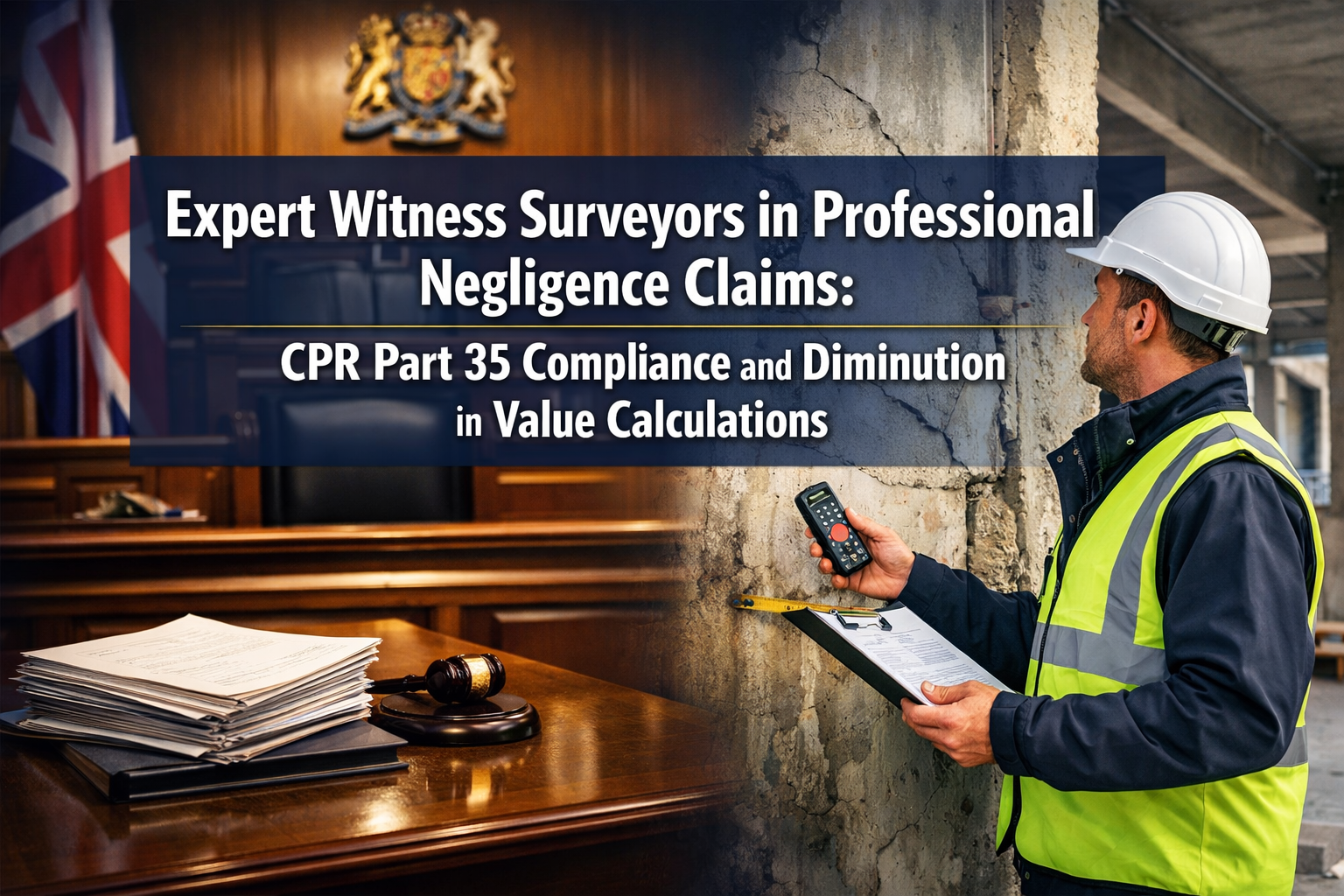
Professional negligence claims in the construction and property sectors cost UK businesses over £2.8 billion annually, with surveyors increasingly called upon to provide expert testimony that can make or break multi-million-pound cases. When building defects, valuation errors, or construction failures lead to litigation, Expert Witness Surveyors in Professional Negligence Claims:…
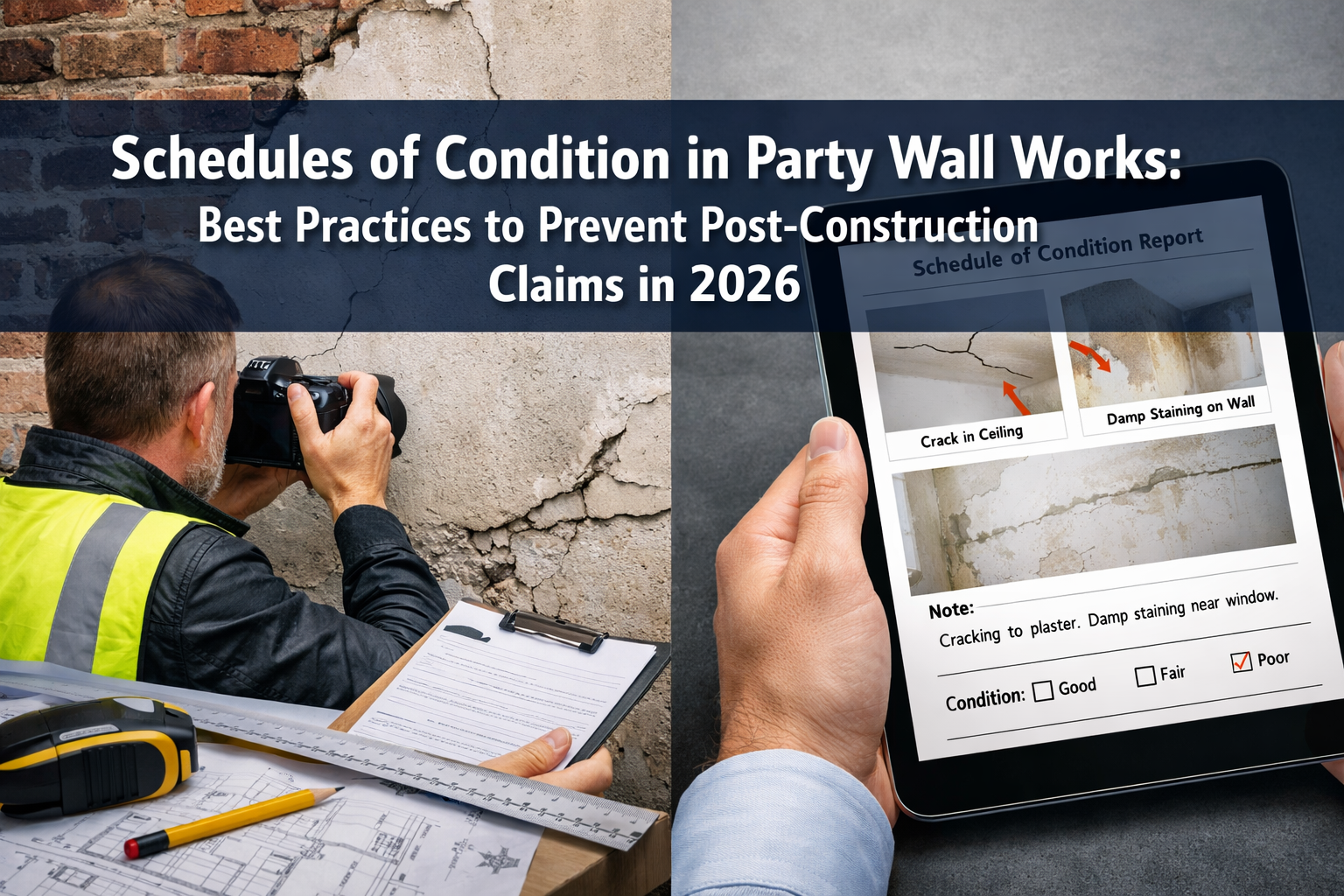
Property disputes arising from construction work cost UK homeowners an average of £12,000 to resolve in court—yet most could be prevented with a single document prepared before the first shovel breaks ground. As construction activity surges across England and Wales in 2026, the humble Schedule of Condition has become the…
Boundary disputes account for over 40% of all property litigation cases in the UK courts, yet most could be resolved with proper valuation evidence before reaching trial. When neighbors disagree about property lines, expert witnesses must combine Land Registry data, precise site surveys, and RICS standards to deliver court-ready valuations…
The Leasehold and Freehold Reform Act 2024 has triggered the most significant recalibration of property valuation methodologies in England and Wales since the 1993 Leasehold Reform Act. With marriage value abolished, 990-year extensions now standard, and ground rent caps implemented, chartered surveyors face unprecedented challenges in adapting RICS Red Book…
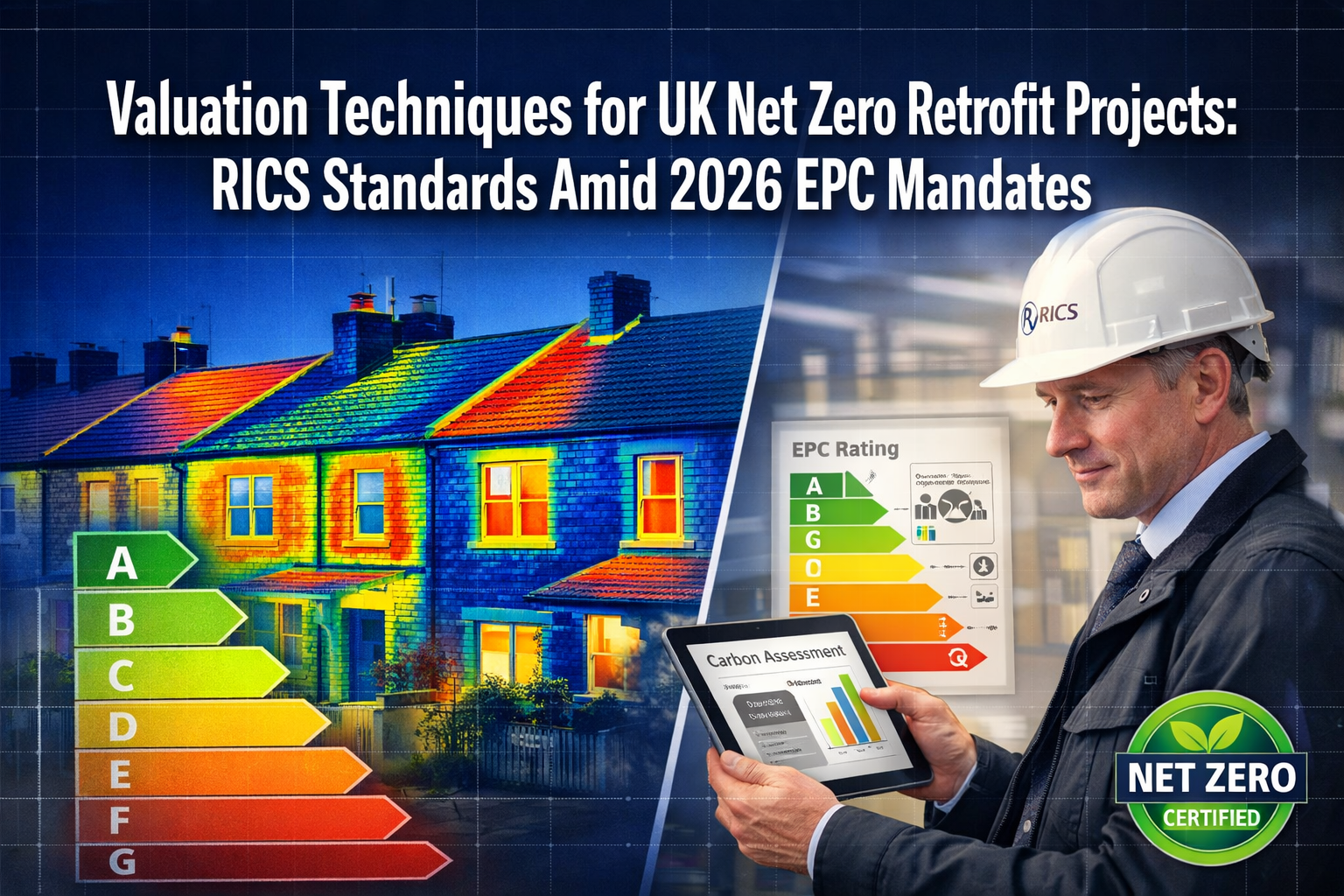
Properties with EPC A ratings command a 2.9% price premium per square meter, while B and C-rated properties actually trade at discounts of –2.3% and –1.2% respectively—a counterintuitive market signal that challenges conventional assumptions about energy efficiency investments.[2] As the UK Net Zero Carbon Buildings Standard formally launches verification services…
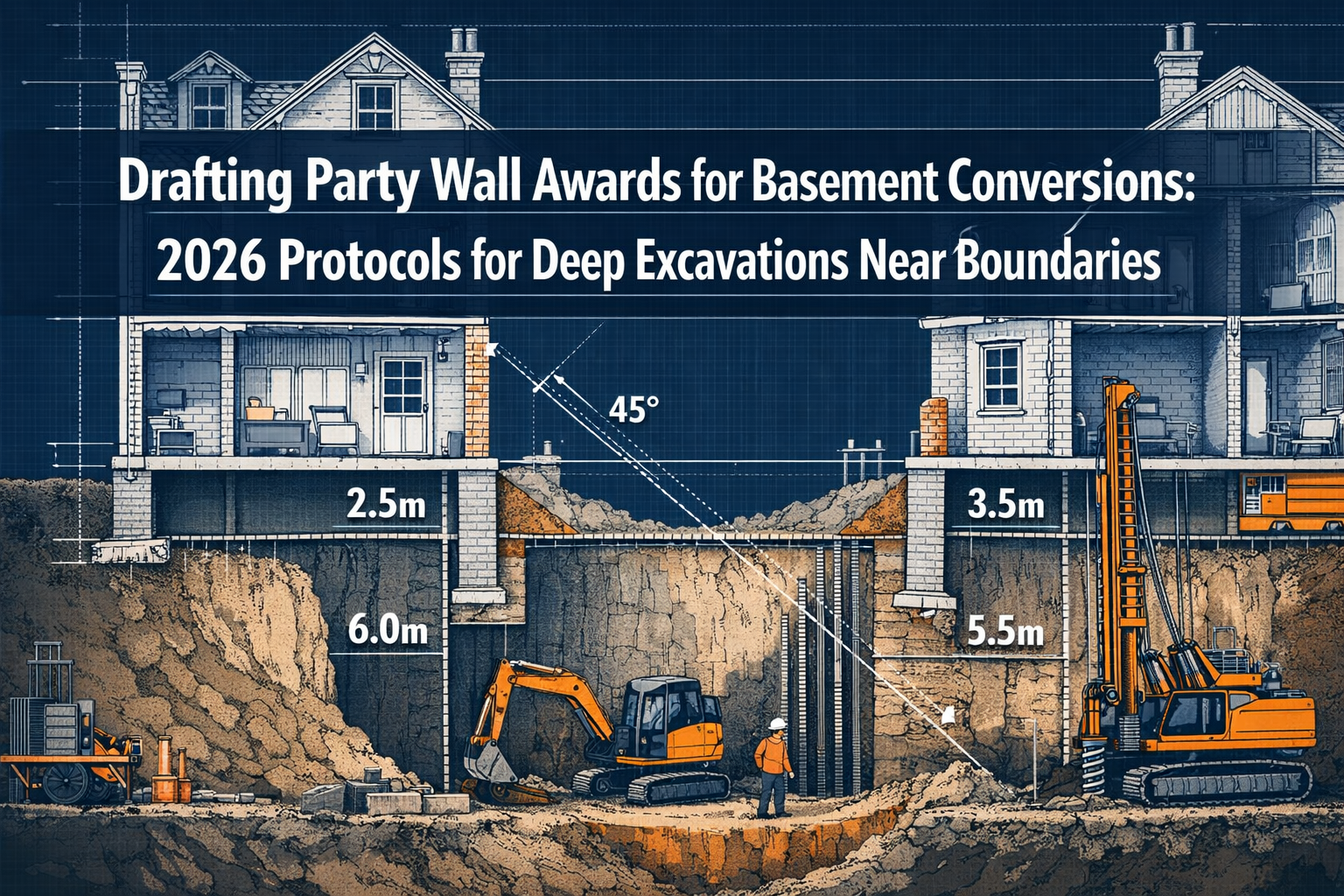
Deep excavations within three metres of a neighbouring property now account for over 60% of all party wall disputes in London, with basement conversions representing the single most complex category of awards to draft. Understanding the precise protocols for Drafting Party Wall Awards for Basement Conversions: 2026 Protocols for Deep…
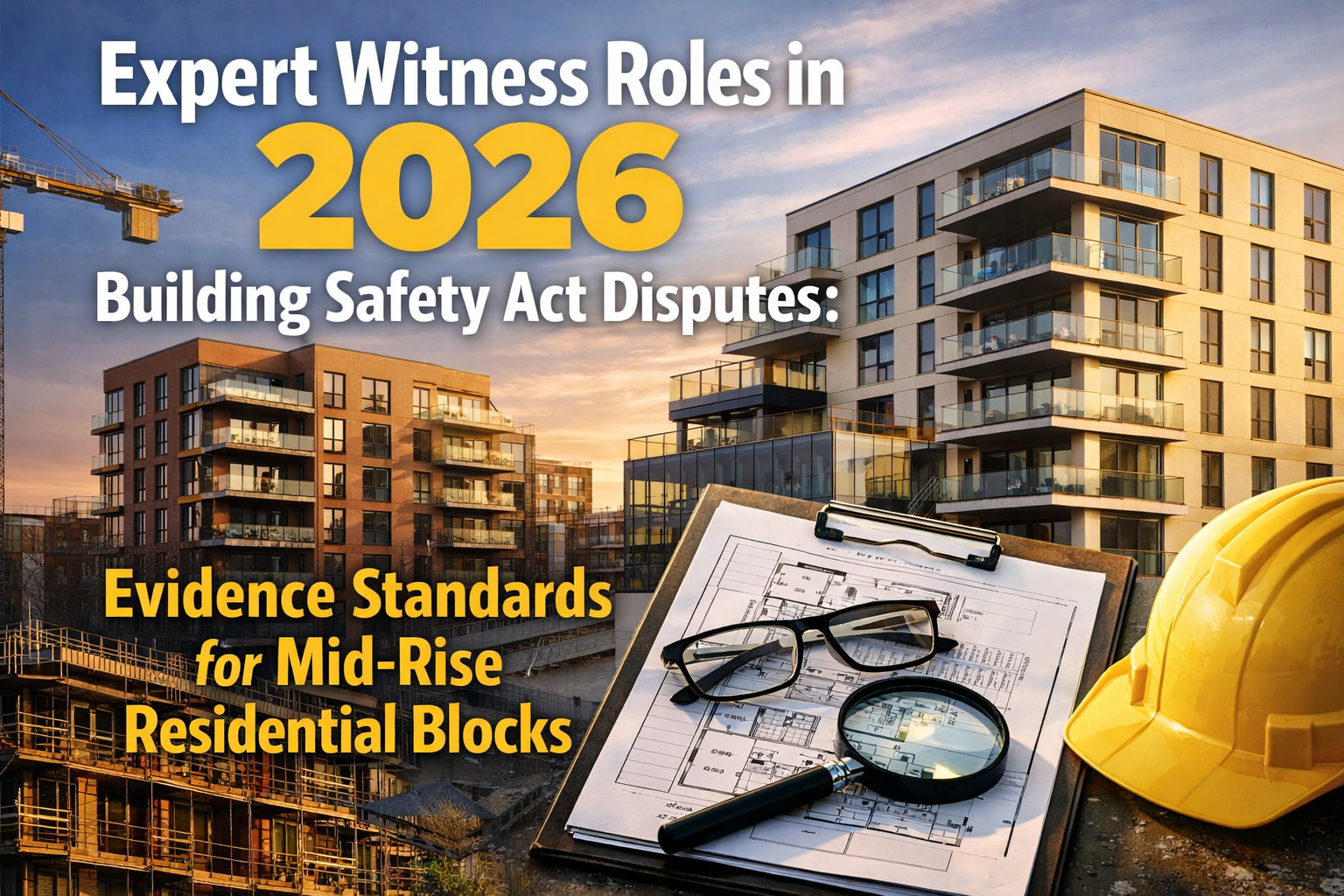
{"cover":"Professional landscape format (1536×1024) hero image featuring bold text overlay 'Expert Witness Roles in 2026 Building Safety Act Disputes: Evidence Standards for Mid-Rise Residential Blocks' in extra large 70pt white sans-serif font with dark shadow effect, positioned in upper third with perfect alignment. Background shows dramatic split composition: left side…
Looking for a Chartered Surveyor? If you are buying a property, contact us for a building survey. Our panel of CIOB, RPSA and RICS surveyors will help you with the Level 2 or Level 3 property survey you need in Notting Hill. We can also assist you in Red Book Valuations, Party Wall Awards and other services. Reach out to us today for building surveyors, valuers and party wall surveyors in London!