
Surveyor Social Housing: The Complete Professional Guide for 2026
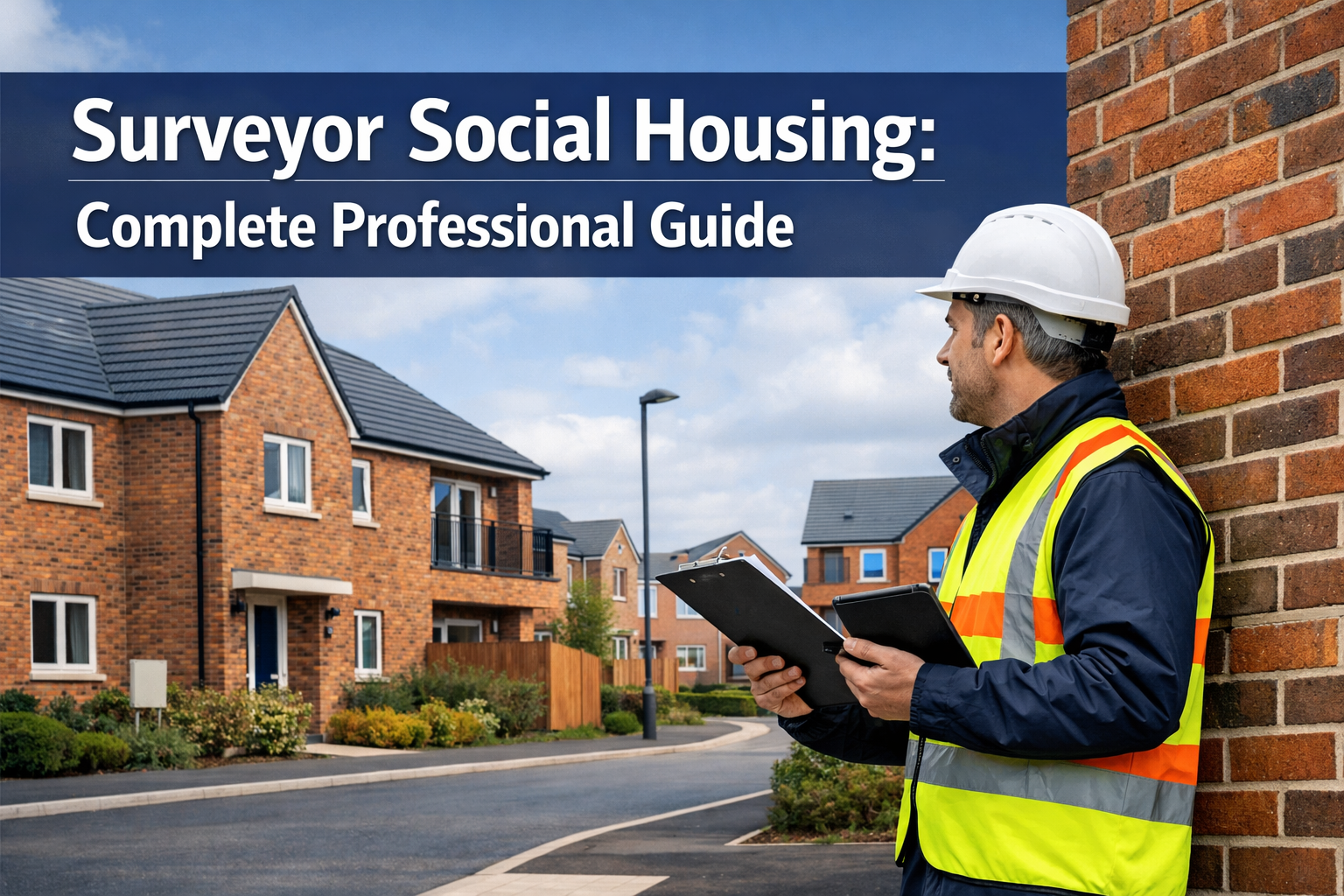
When millions of UK residents depend on safe, well-maintained social housing, the role of specialist surveyors becomes not just important—it’s absolutely critical. Surveyor social housing professionals stand at the intersection of public service, technical expertise, and community welfare, ensuring that some of the nation’s most vulnerable residents live in properties that meet rigorous safety and quality standards.
Social housing surveyors face unique challenges that set them apart from their private sector counterparts. From navigating complex regulatory frameworks to managing large portfolios of diverse properties, these professionals must balance technical precision with genuine social responsibility. As the UK government continues to prioritize social housing quality following recent legislative changes, the demand for qualified surveyor social housing specialists has never been higher.
Key Takeaways
- Surveyor social housing professionals specialize in inspecting, maintaining, and managing properties owned by local authorities and housing associations, requiring unique expertise in regulatory compliance and tenant welfare
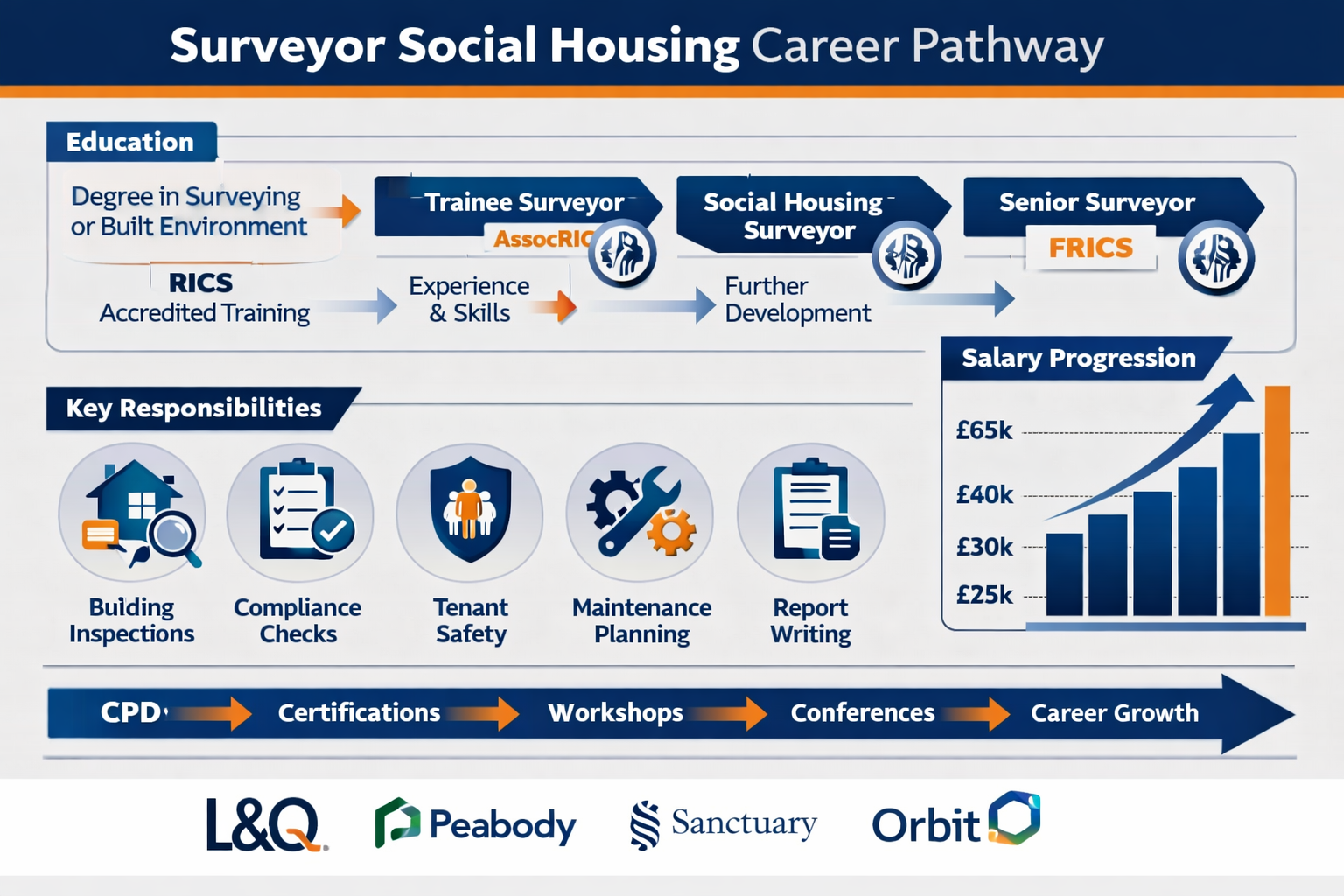
- Social housing surveyors typically earn between £25,000-£65,000 annually depending on experience, with strong career progression opportunities and increasing demand across the UK
- Essential qualifications include RICS accreditation, knowledge of building regulations, health and safety legislation, and understanding of social housing-specific compliance requirements
- The role encompasses diverse responsibilities from condition surveys and planned maintenance to fire safety assessments and decarbonization projects
- Career pathways offer specialization opportunities in areas such as stock condition surveying, disrepair claims management, and sustainability consulting for social housing providers
What Is a Surveyor Social Housing Specialist?
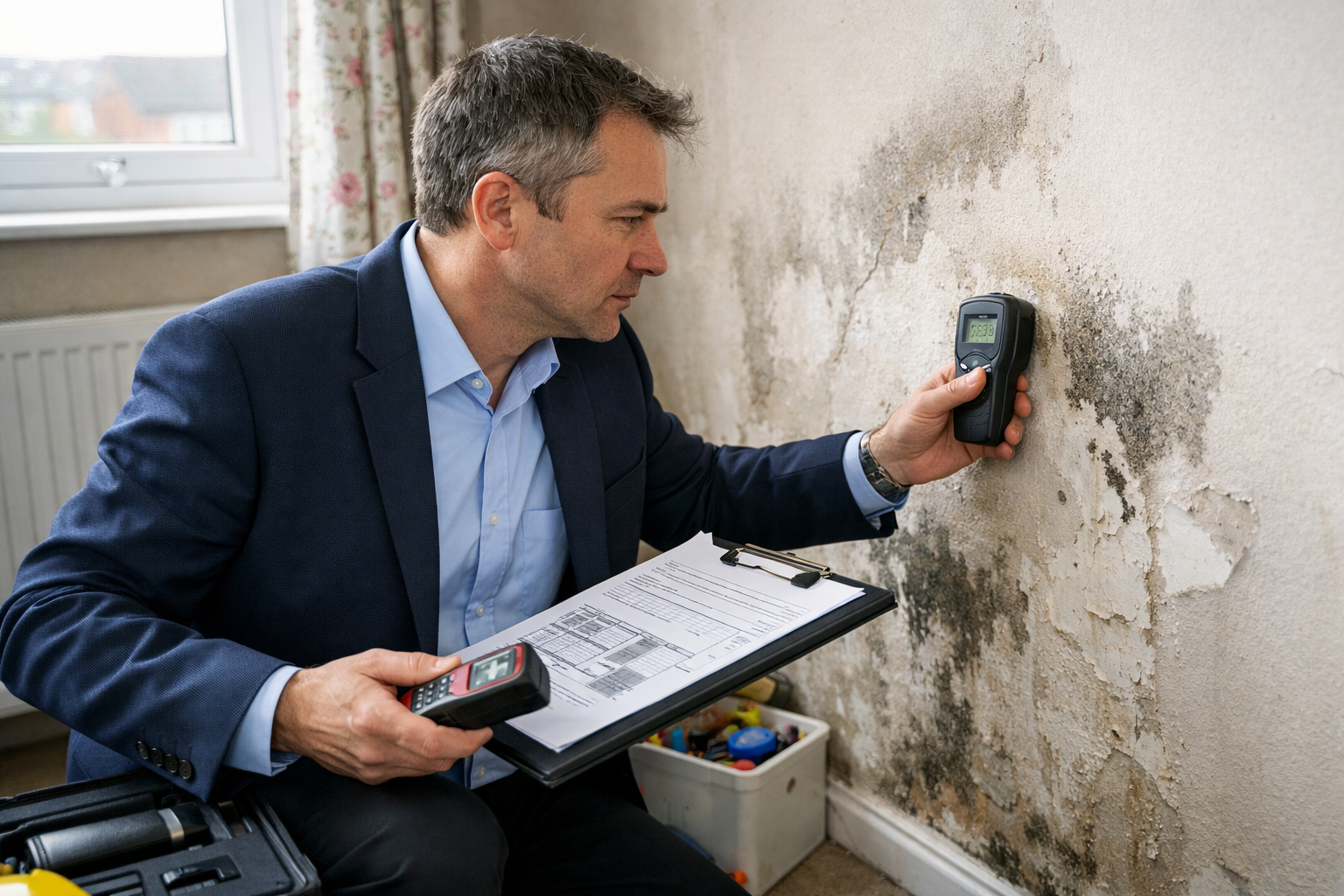
A surveyor social housing professional is a qualified building surveyor who specializes in the unique requirements of properties managed by local authorities, housing associations, and registered social landlords. Unlike surveyors working exclusively in the private sector, these specialists must navigate a complex landscape of social responsibility, regulatory compliance, and public accountability.
Core Responsibilities and Daily Activities
Social housing surveyors perform a wide range of critical functions that directly impact tenant safety and property standards:
Property Inspections and Assessments 🏘️
- Conducting comprehensive condition surveys across large housing portfolios
- Identifying structural defects, damp issues, and safety hazards
- Assessing properties for compliance with Decent Homes Standard
- Evaluating buildings for energy efficiency improvements
Maintenance Planning and Management
- Developing planned maintenance programmes for housing stock
- Prioritizing repair works based on urgency and available budgets
- Coordinating cyclical maintenance schedules
- Managing contractor relationships and quality assurance
Regulatory Compliance and Safety
- Ensuring properties meet Building Safety Act 2022 requirements
- Conducting fire risk assessments and implementing safety measures
- Managing asbestos surveys and remediation programmes
- Overseeing electrical and gas safety certification programmes
Tenant-Focused Services
- Investigating disrepair claims and tenant complaints
- Conducting pre-tenancy and void property inspections
- Advising on adaptations for disabled tenants
- Providing expert witness services in legal proceedings
The Unique Social Housing Context
What distinguishes surveyor social housing roles from general building surveying is the broader social mission. These professionals work within organizations committed to providing affordable, quality housing to those who need it most. This context creates several distinctive characteristics:
Budget Constraints: Social housing providers operate within tight financial parameters, requiring surveyors to balance quality standards with cost-effectiveness and value for money.
Diverse Property Types: Social housing portfolios often include everything from Victorian terraces to modern tower blocks, requiring broad technical knowledge and adaptability.
Regulatory Scrutiny: Social landlords face intense oversight from the Regulator of Social Housing, requiring meticulous documentation and compliance procedures.
Tenant Vulnerability: Many social housing residents have complex needs, requiring surveyors to demonstrate empathy, clear communication, and sensitivity when conducting inspections or explaining repair timelines.
Essential Qualifications and Skills for Surveyor Social Housing Careers
Breaking into surveyor social housing requires a combination of formal qualifications, technical expertise, and interpersonal skills. The pathway to becoming a qualified professional in this field is well-established but demands commitment and continuous professional development.
Educational Requirements and Professional Accreditation
Academic Foundation
The journey typically begins with appropriate academic qualifications:
| Qualification Level | Options | Duration |
|---|---|---|
| Undergraduate | BSc Building Surveying, BSc Construction Management | 3-4 years |
| Postgraduate | MSc Building Surveying (for career changers) | 1-2 years |
| Apprenticeship | Level 6 Chartered Surveyor Degree Apprenticeship | 4-5 years |
RICS Accreditation 📋
The Royal Institution of Chartered Surveyors (RICS) qualification remains the gold standard for surveyor social housing professionals. Achieving chartered status involves:
- Completing an RICS-accredited degree programme
- Gaining relevant work experience (typically 24 months)
- Maintaining a structured training record through the Assessment of Professional Competence (APC)
- Passing the RICS Assessment of Professional Competence interview
Many building surveyors in London and across the UK pursue this qualification to demonstrate their professional competence and commitment to ethical practice.
Technical Knowledge and Specialist Expertise
Building Pathology and Construction Technology
Surveyor social housing professionals must possess deep understanding of:
- Structural systems: Load-bearing walls, timber frames, concrete construction
- Building defects: Damp penetration, structural movement, timber decay
- Material science: Properties and performance of traditional and modern building materials
- Construction methods: Both historical techniques and contemporary building practices
Regulatory and Legal Framework
The social housing sector operates within a complex regulatory environment. Essential knowledge areas include:
- Housing Health and Safety Rating System (HHSRS)
- Building Safety Act 2022 and associated regulations
- Decent Homes Standard requirements
- Landlord and Tenant Act 1985 (Section 11 repair obligations)
- Fire Safety regulations for residential buildings
- Energy Performance Certificate (EPC) requirements
Technology and Digital Tools 💻
Modern surveyor social housing roles increasingly involve:
- Computer-Aided Design (CAD) software for planning works
- Building Information Modeling (BIM) for complex projects
- Asset management systems and property databases
- Mobile survey applications for on-site data capture
- Thermal imaging and moisture detection equipment
Soft Skills and Personal Attributes
Technical expertise alone doesn’t make an effective social housing surveyor. Critical soft skills include:
Communication Excellence: Explaining complex technical issues to tenants, housing officers, and senior management in clear, accessible language.
Empathy and Cultural Sensitivity: Understanding the diverse backgrounds and circumstances of social housing residents, many of whom may be experiencing difficult life situations.
Problem-Solving Ability: Developing creative, cost-effective solutions to building defects within budget constraints.
Time Management: Juggling multiple inspections, reports, and projects while meeting strict deadlines.
Ethical Judgment: Making decisions that balance organizational needs with tenant welfare and public safety.
Career Pathways and Progression in Surveyor Social Housing
The surveyor social housing field offers diverse career pathways with excellent progression opportunities. As the sector continues to evolve and expand, professionals with the right qualifications and experience can build rewarding, impactful careers.
Entry-Level Positions and Early Career Development
Assistant Building Surveyor (£25,000-£32,000)
New graduates or those completing apprenticeships typically start as assistant surveyors, where they:
- Conduct basic property inspections under supervision
- Assist senior surveyors with condition surveys
- Prepare technical drawings and specifications
- Learn organizational procedures and systems
- Work towards RICS APC qualification
Graduate Surveyor (£28,000-£35,000)
Many housing associations and local authorities offer structured graduate programmes that provide:
- Rotations through different surveying specialisms
- Mentorship from experienced chartered surveyors
- Formal training and professional development opportunities
- Clear pathway to chartership within 2-3 years
Mid-Career Opportunities and Specializations
Building Surveyor (£35,000-£48,000)
With RICS qualification and several years’ experience, surveyors take on greater responsibility:
- Managing own caseload of inspections and projects
- Specifying and overseeing major repair works
- Conducting complex investigations into building defects
- Providing expert advice on refurbishment projects
- Supervising junior team members
Specialist Roles
As surveyors gain experience, they may specialize in particular areas:
Stock Condition Surveyor 📊
- Conducting systematic surveys across entire housing portfolios
- Developing 30-year investment plans
- Utilizing data analytics to predict maintenance needs
- Advising on asset management strategies
Disrepair and Claims Surveyor
- Investigating tenant disrepair claims
- Providing expert witness testimony in legal proceedings
- Negotiating settlements and compensation
- Implementing remedial works programmes
Fire Safety and Compliance Surveyor
- Conducting fire risk assessments across housing stock
- Managing building safety case requirements for high-rise buildings
- Implementing fire safety improvement programmes
- Liaising with fire services and building control
Sustainability and Retrofit Surveyor
- Assessing properties for energy efficiency improvements
- Designing retrofit programmes to achieve net-zero targets
- Securing government funding for decarbonization projects
- Monitoring performance of energy efficiency measures
Senior Leadership and Strategic Roles
Senior Building Surveyor / Principal Surveyor (£48,000-£60,000)
Senior professionals typically:
- Lead surveying teams and manage departmental budgets
- Develop organizational policies and procedures
- Represent the organization with regulators and stakeholders
- Oversee major capital works programmes
- Mentor and develop junior staff
Head of Property Services / Asset Management (£60,000-£80,000+)
At the executive level, surveyor social housing professionals may progress to strategic leadership roles involving:
- Setting organizational asset management strategy
- Managing multi-million pound capital programmes
- Board-level reporting and governance
- Strategic planning for housing stock investment
- Leading organizational responses to regulatory changes
Alternative Career Pathways
The skills developed in surveyor social housing roles transfer well to other sectors:
- Private practice: Joining consultancies that advise social housing providers
- Construction companies: Managing social housing development projects
- Regulatory bodies: Working for the Regulator of Social Housing or local authority building control
- Academia: Teaching and research in construction and housing management
- Independent consultancy: Establishing specialist advisory services
Understanding the different types of surveyors can help professionals identify the most suitable career direction based on their interests and strengths.
Key Challenges Facing Surveyor Social Housing Professionals in 2026
The social housing sector faces unprecedented challenges in 2026, creating both difficulties and opportunities for surveying professionals. Understanding these challenges is essential for anyone considering or working in surveyor social housing roles.
Building Safety and Regulatory Compliance
Post-Grenfell Legislative Landscape 🔥
The Building Safety Act 2022 has fundamentally transformed the regulatory environment for social housing, particularly for buildings over 18 meters. Surveyor social housing professionals must now:
- Develop and maintain building safety cases for higher-risk buildings
- Implement enhanced fire safety measures across portfolios
- Conduct regular inspections of fire doors, compartmentation, and evacuation routes
- Manage relationships with newly appointed Building Safety Managers
- Ensure compliance with the “golden thread” of building information requirements
This increased regulatory burden has created significant workload pressures while simultaneously increasing the importance and visibility of surveying roles.
Consumer Standards and Tenant Satisfaction
The Regulator of Social Housing’s strengthened consumer standards place greater emphasis on:
- Proactive identification and resolution of damp and mould issues
- Faster response times to tenant reports of disrepair
- Improved communication with residents about planned works
- Transparency in decision-making about property investments
Surveyors must balance these enhanced expectations with resource constraints and competing priorities.
Stock Condition and Maintenance Backlog
Aging Housing Stock
Much of the UK’s social housing stock dates from the post-war period, creating significant challenges:
- Structural deterioration: Aging concrete, timber decay, and metal corrosion
- System failures: Outdated heating, electrical, and plumbing systems
- Design defects: Historical construction methods that don’t meet modern standards
- Asbestos management: Ongoing need for asbestos surveys and safe removal programmes
Financial Constraints and Investment Needs
Social housing providers face a difficult equation:
| Challenge | Impact on Surveyors |
|---|---|
| Reduced government funding | Pressure to deliver more with less |
| Rent caps | Limited income growth to fund repairs |
| Competing priorities | Balancing reactive repairs with planned maintenance |
| Decent Homes backlog | Thousands of properties still failing minimum standards |
Surveyor social housing professionals must develop creative, cost-effective solutions while maintaining safety and quality standards.
Decarbonization and Sustainability Targets
Net-Zero Commitments 🌱
The UK government’s commitment to achieving net-zero carbon emissions by 2050 creates enormous challenges for social housing:
- EPC targets: Government proposals to improve all social housing to EPC C by 2030
- Retrofit complexity: Improving energy efficiency in traditional and non-standard construction
- Funding gaps: Significant investment required beyond available resources
- Technical challenges: Balancing thermal performance with ventilation and moisture management
- Tenant engagement: Ensuring residents understand and benefit from improvements
Surveyors play a crucial role in assessing properties, designing retrofit programmes, and managing implementation projects.
Sustainable Materials and Methods
Modern surveyor social housing professionals must stay current with:
- Low-carbon construction materials and techniques
- Renewable energy technologies (solar PV, heat pumps, district heating)
- Whole-life costing and carbon assessment methodologies
- Monitoring and verification of energy performance
Workforce Challenges and Skills Gaps
Recruitment and Retention
The social housing sector faces significant workforce challenges:
- Competition from private sector: Higher salaries in commercial property and development
- Aging workforce: Many experienced surveyors approaching retirement
- Skills gaps: Shortage of professionals with both traditional building knowledge and modern sustainability expertise
- Workload pressures: High caseloads leading to burnout and turnover
Professional Development Needs
Continuous learning is essential as surveyors must keep pace with:
- Evolving building regulations and safety standards
- New construction technologies and materials
- Digital tools and data management systems
- Emerging sustainability practices
Organizations that invest in training and career development are better positioned to attract and retain talented surveyor social housing professionals.
Technological Transformation
Digital Innovation
The sector is undergoing digital transformation, requiring surveyors to adapt to:
- Mobile survey applications: Real-time data capture and reporting
- Drone technology: Roof and high-level inspections without scaffolding
- Thermal imaging: Advanced diagnostics for energy efficiency and moisture issues
- Asset management systems: Integrated platforms for managing property data
- Artificial intelligence: Predictive maintenance algorithms and automated defect detection
While these technologies offer significant benefits, they also require investment in training and infrastructure that many organizations struggle to provide.
Best Practices and Professional Standards for Surveyor Social Housing Excellence
Success in surveyor social housing roles requires not only technical competence but also adherence to professional standards and best practices that ensure quality outcomes for both organizations and residents.
Conducting Effective Property Inspections
Systematic Approach to Surveys 📋
Professional surveyor social housing inspections follow structured methodologies:
Pre-Inspection Preparation
- Review property history and previous survey reports
- Check for outstanding repair orders or tenant complaints
- Identify any special access requirements or vulnerabilities
- Prepare appropriate equipment and safety gear
- Notify tenants with clear communication about the inspection purpose
On-Site Inspection Protocol
- Follow a consistent room-by-room sequence
- Document findings with photographs and detailed notes
- Use appropriate diagnostic equipment (moisture meters, thermal cameras)
- Engage respectfully with tenants present during inspections
- Identify both immediate safety hazards and longer-term maintenance needs
Post-Inspection Reporting
- Prepare clear, comprehensive reports within agreed timeframes
- Prioritize defects by urgency and risk
- Provide cost estimates for remedial works
- Make recommendations for preventive maintenance
- Ensure reports are accessible to non-technical audiences
Understanding what surveyors look for in a house survey provides valuable context for developing thorough inspection practices.
Managing Disrepair Claims and Tenant Relationships
Responsive and Empathetic Approach
Disrepair claims represent a significant challenge for social housing providers. Effective surveyor social housing professionals:
Investigate Thoroughly
- Conduct prompt inspections following tenant reports
- Distinguish between disrepair and tenant damage
- Assess causation and responsibility clearly
- Document conditions comprehensively to support decision-making
Communicate Clearly
- Explain findings in plain language without jargon
- Provide realistic timescales for repairs
- Keep tenants informed throughout the process
- Demonstrate genuine concern for tenant welfare
Resolve Fairly
- Recommend appropriate remedial works without delay
- Consider temporary measures where immediate repairs aren’t possible
- Support reasonable compensation claims where appropriate
- Learn from complaints to improve service delivery
Implementing Planned Maintenance Programmes
Strategic Asset Management 🏗️
Effective surveyor social housing professionals contribute to long-term asset management through:
Stock Condition Surveys
- Systematic assessment of entire housing portfolios
- Data collection on building components and remaining life expectancy
- Development of 30-year investment plans
- Prioritization based on risk, compliance, and tenant impact
Lifecycle Costing
- Analyzing whole-life costs rather than just initial capital expenditure
- Balancing repair versus replacement decisions
- Considering energy efficiency and sustainability in component selection
- Optimizing investment to maximize property lifespan
Programme Management
- Coordinating cyclical maintenance (painting, roof repairs, heating servicing)
- Batching works for efficiency and cost-effectiveness
- Managing contractor relationships and quality assurance
- Monitoring programme delivery against budgets and timescales
Ensuring Compliance and Quality Assurance
Regulatory Adherence
Surveyor social housing professionals must ensure:
- All works meet current Building Regulations requirements
- Appropriate certification for electrical, gas, and fire safety works
- Compliance with accessibility standards for adaptations
- Proper documentation and record-keeping for regulatory inspections
Quality Control Processes
Maintaining high standards requires:
Contractor Management
- Pre-qualification of contractors based on competence and track record
- Clear specifications and scope of works
- Regular site inspections during works
- Snagging and defect rectification processes
- Post-completion inspections and sign-off
Continuous Improvement
- Learning from defects and failures
- Analyzing patterns across the housing stock
- Implementing preventive measures
- Sharing knowledge across teams and organizations
Professional Ethics and Social Responsibility
Balancing Competing Interests
Surveyor social housing roles often involve navigating tensions between:
- Tenant needs vs. organizational budgets
- Immediate safety concerns vs. long-term strategic investments
- Individual requests vs. portfolio-wide priorities
- Regulatory compliance vs. practical constraints
Professional surveyors maintain ethical standards by:
- Prioritizing safety above all other considerations
- Providing honest, evidence-based advice
- Advocating for tenants while respecting organizational constraints
- Maintaining professional independence and objectivity
- Upholding RICS professional and ethical standards
Social Impact Awareness
Effective surveyor social housing professionals recognize that their work directly affects people’s lives and wellbeing. This awareness manifests in:
- Sensitivity to tenant circumstances and vulnerabilities
- Understanding the health impacts of poor housing conditions
- Commitment to improving housing quality for all residents
- Recognition of housing as a fundamental human need, not just a property asset
Future Outlook: The Evolving Role of Surveyor Social Housing Professionals
The surveyor social housing profession is undergoing significant transformation as the sector adapts to new challenges and opportunities. Understanding emerging trends helps current and aspiring professionals prepare for the future.
Emerging Technologies and Innovation
Digital Transformation 💻
Technology is reshaping how surveyor social housing professionals work:
Building Information Modeling (BIM)
- Digital twins of social housing stock
- Integrated data on building components and maintenance history
- Enhanced collaboration between surveyors, contractors, and asset managers
- Improved planning and visualization of refurbishment projects
Predictive Maintenance
- AI-powered analysis of maintenance patterns
- Early identification of potential failures
- Optimized inspection schedules based on risk
- Reduced reactive repairs and emergency callouts
Remote Inspection Technologies
- Drone surveys for roofs and high-level inspections
- Virtual reality for tenant consultations on adaptations
- Remote monitoring of building performance
- Reduced need for access to occupied properties
Sustainability and Climate Adaptation
Retrofit Revolution 🌍
The drive toward net-zero carbon emissions will dominate surveyor social housing work for decades:
Deep Retrofit Projects
- Whole-house approaches to energy efficiency
- Integration of renewable energy technologies
- Fabric-first improvements (insulation, windows, airtightness)
- Balancing thermal performance with moisture management
Climate Resilience
- Adapting properties to increased flood risk
- Managing overheating in warmer summers
- Improving ventilation while maintaining energy efficiency
- Selecting materials and systems for long-term climate conditions
Circular Economy Principles
- Designing for disassembly and component reuse
- Specifying recycled and recyclable materials
- Minimizing construction waste
- Extending building lifespan through quality maintenance
Regulatory Evolution and Professional Standards
Enhanced Building Safety Regime
The regulatory framework will continue evolving:
- Extension of building safety requirements to more property types
- Increased personal accountability for building safety decisions
- Greater emphasis on competence and professional qualifications
- Enhanced resident engagement in safety management
Consumer Protection
Tenant rights and expectations will strengthen:
- More robust enforcement of housing standards
- Faster resolution of disrepair claims
- Greater transparency in landlord decision-making
- Enhanced complaint mechanisms and tenant voice
Career Opportunities and Market Demand
Growing Sector
The surveyor social housing field offers strong career prospects:
Increased Investment
- Government commitments to social housing development
- Major retrofit programmes requiring surveying expertise
- Building safety improvements across existing stock
- Regeneration of aging estates
Skills Shortages
- High demand for qualified professionals
- Competitive salaries and benefits
- Career progression opportunities
- Job security in essential public service
Diverse Pathways
Future surveyor social housing professionals may specialize in:
- Carbon reduction consultancy: Advising on decarbonization strategies
- Building safety management: Ensuring compliance with enhanced safety regimes
- Data analytics: Using big data to optimize asset management
- Resident engagement: Facilitating tenant participation in property decisions
- Innovation management: Implementing new technologies and construction methods
Professional Development for the Future
Essential Competencies
Tomorrow’s surveyor social housing professionals will need:
Technical Skills
- Advanced building pathology knowledge
- Energy assessment and retrofit design capabilities
- Digital literacy across multiple platforms
- Understanding of modern construction methods
Strategic Thinking
- Long-term asset planning abilities
- Financial acumen and investment appraisal
- Risk management expertise
- Policy awareness and regulatory intelligence
Interpersonal Excellence
- Stakeholder engagement and consultation skills
- Cross-functional collaboration abilities
- Change management capabilities
- Cultural competence and inclusivity awareness
Professionals committed to continuous learning and adaptation will thrive in this evolving landscape.
Conclusion: Building a Rewarding Career as a Surveyor Social Housing Professional
The role of surveyor social housing specialists has never been more critical or more rewarding. These professionals stand at the forefront of ensuring that millions of UK residents have access to safe, decent, and sustainable homes. As the sector faces unprecedented challenges—from building safety reforms to climate change adaptation—the expertise and dedication of qualified surveyors will be essential to success.
For those considering this career path, the opportunities are substantial. The profession offers:
✅ Meaningful work that directly improves people’s lives and communities
✅ Strong career progression from entry-level positions to senior leadership roles
✅ Competitive compensation with salaries ranging from £25,000 to £65,000+ depending on experience
✅ Job security in an essential sector with growing investment
✅ Diverse specializations allowing professionals to focus on areas of particular interest
✅ Continuous learning through evolving technologies, regulations, and best practices
The path to becoming a successful surveyor social housing professional requires commitment—to education, professional development, and the social mission of providing quality housing for all. Those who pursue RICS qualification, develop both technical and interpersonal skills, and maintain genuine concern for tenant welfare will find themselves well-positioned for rewarding, impactful careers.
Next Steps for Aspiring Surveyor Social Housing Professionals
If you’re considering entering this field:
- Research educational pathways: Explore RICS-accredited degree programmes or apprenticeships that align with your circumstances
- Gain relevant experience: Seek work placements, internships, or entry-level positions with housing associations or local authorities
- Network with professionals: Join professional organizations, attend industry events, and connect with practicing surveyors
- Stay informed: Follow developments in building safety, sustainability, and social housing policy
- Develop complementary skills: Build expertise in areas like project management, data analysis, and stakeholder engagement
If you’re an experienced surveyor looking to transition into social housing:
- Understand the sector context: Familiarize yourself with social housing regulations, funding mechanisms, and organizational structures
- Highlight transferable skills: Emphasize your building pathology, project management, and technical expertise
- Demonstrate social commitment: Articulate your motivation for working in public service
- Seek sector-specific training: Pursue CPD opportunities focused on social housing challenges and best practices
- Connect with the sector: Engage with the Chartered Institute of Housing and social housing professional networks
The future of social housing depends on skilled, committed professionals who can navigate complex technical challenges while never losing sight of the human dimension of their work. Whether you’re just starting your career or looking to make a meaningful transition, the surveyor social housing field offers the opportunity to build not just buildings, but better lives and stronger communities.
For professional surveying services and expert guidance, consider consulting with experienced chartered surveyors who understand the unique demands of social housing and can provide the specialized support your projects require.
