
Surveyor Marina: Your Complete Guide to Professional Marina Property Assessments
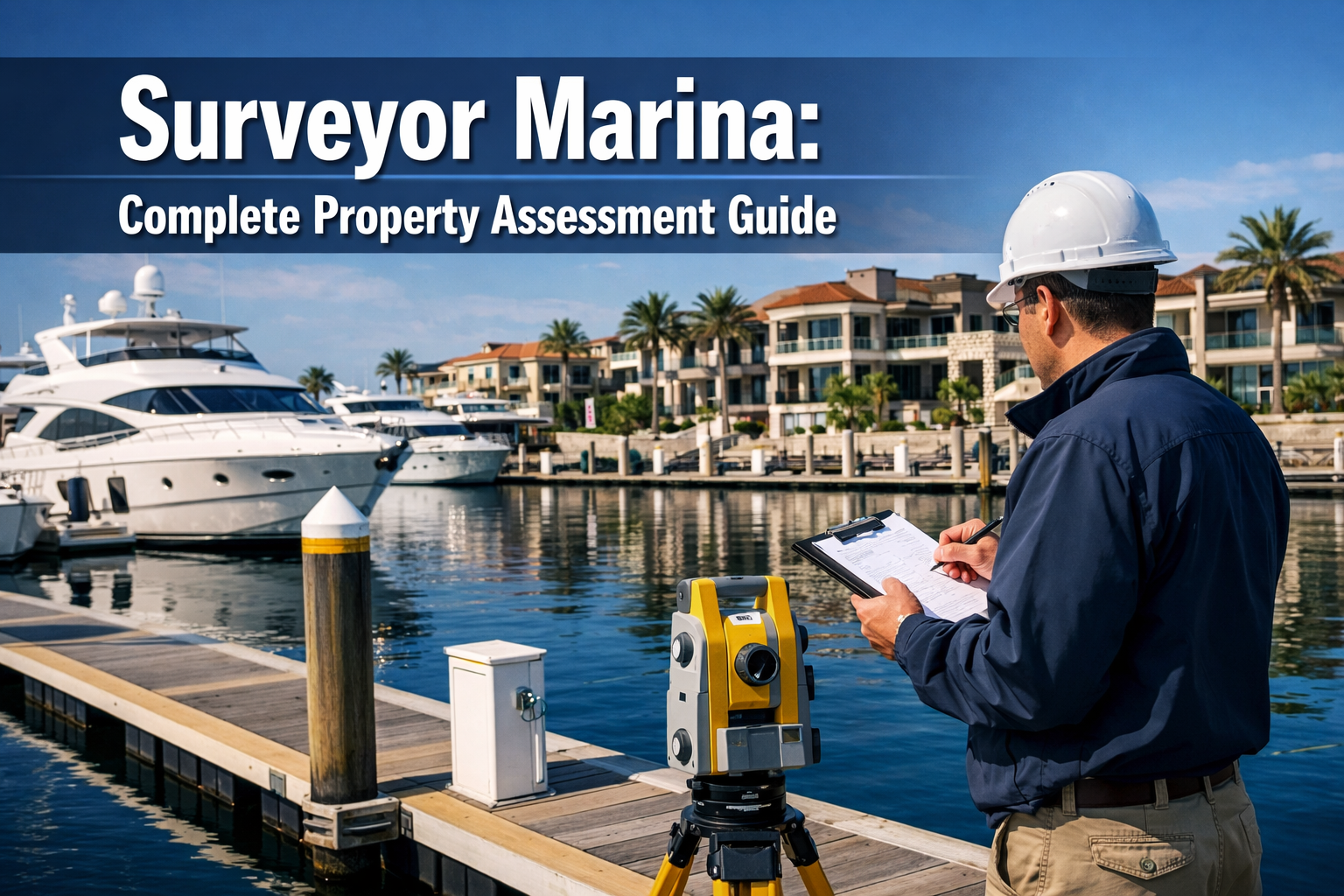
Picture this: You’re standing on a pristine dock overlooking dozens of gleaming yachts, contemplating a significant investment in marina property or berthing rights. The water sparkles invitingly, but beneath the surface—both literally and figuratively—lie complex structural, legal, and financial considerations that could make or break your investment. This is where a surveyor marina assessment becomes not just valuable, but absolutely essential.
Whether you’re purchasing waterfront property, investing in marina facilities, or managing existing marine infrastructure, understanding the role and importance of a surveyor marina evaluation can save you from costly mistakes and ensure your investment remains seaworthy for years to come. A surveyor marina provides specialized expertise that goes far beyond standard property assessments, addressing unique challenges posed by water exposure, tidal movements, marine regulations, and specialized infrastructure requirements.
Key Takeaways
- 🚢 Specialized Expertise Required: Marina property assessments demand surveyors with specific knowledge of marine structures, waterfront regulations, and nautical engineering principles
- 📋 Comprehensive Inspections: Surveyor marina evaluations cover docks, pilings, pontoons, utilities, environmental compliance, and water depth measurements
- 💰 Investment Protection: Professional marina surveys identify hidden defects and maintenance issues that could cost tens of thousands in unexpected repairs
- ⚖️ Legal Compliance: Marina assessments ensure adherence to maritime regulations, environmental laws, and local waterfront development codes
- 🔍 Multiple Survey Types: Different marina survey types serve distinct purposes, from pre-purchase inspections to ongoing maintenance assessments
Understanding Surveyor Marina Services
What Is a Surveyor Marina Assessment?
A surveyor marina assessment is a specialized property evaluation that focuses specifically on marine facilities, waterfront properties, and associated infrastructure. Unlike standard property surveys, these assessments require surveyors with expertise in marine engineering, nautical construction methods, and waterfront property regulations.
The surveyor marina professional examines everything from the structural integrity of dock systems to compliance with maritime safety standards. This comprehensive approach ensures that property owners, investors, and marina operators have a complete understanding of their asset’s condition, value, and potential liabilities.
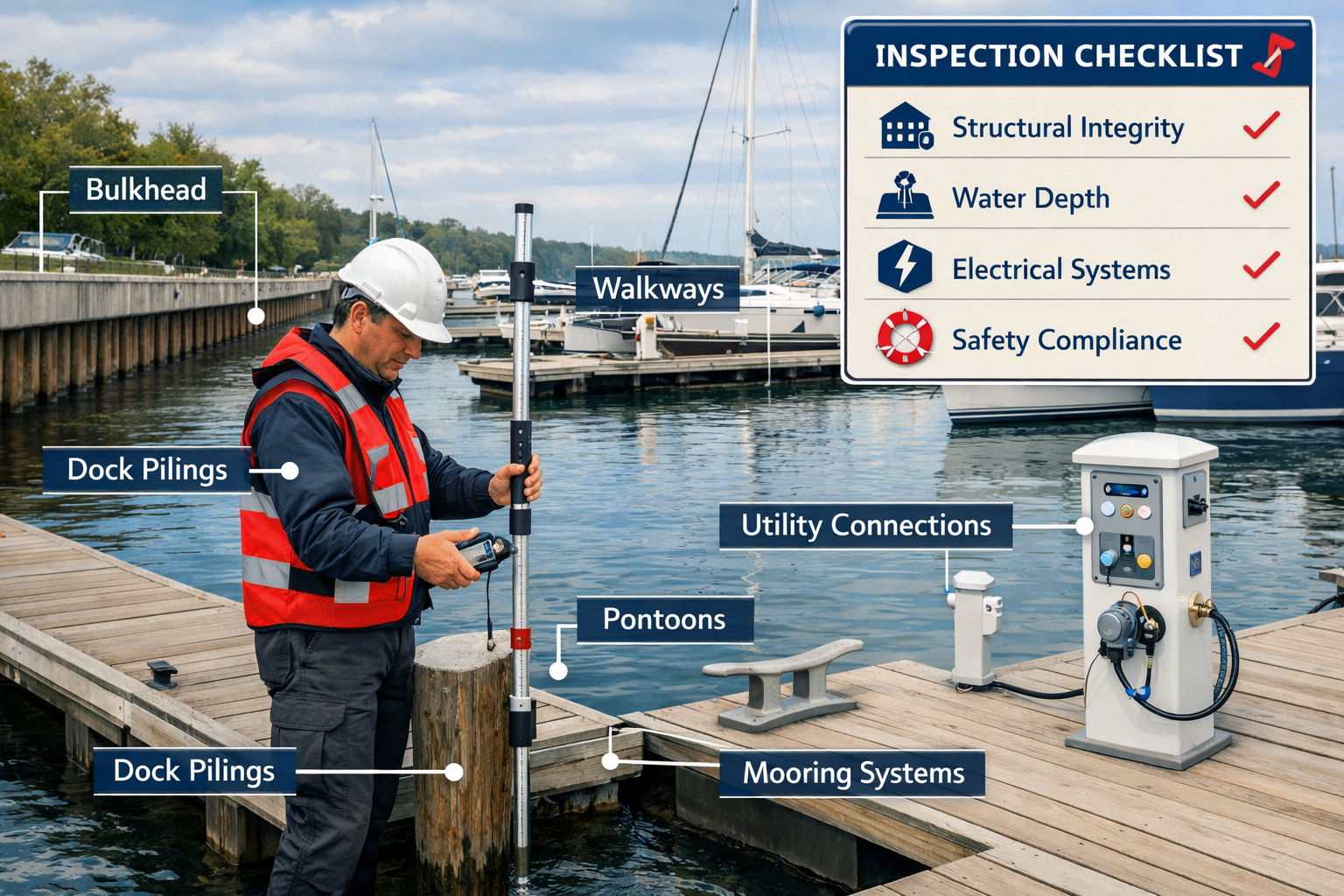
Marina surveys typically encompass:
- Structural assessments of docks, piers, and pontoons
- Underwater inspections of pilings and foundations
- Utility system evaluations (electrical, water, sewage)
- Environmental compliance reviews
- Navigation and depth surveys
- Mooring system assessments
- Fire safety and emergency access evaluations
Why Marina Properties Require Specialized Surveying
Marina properties face unique challenges that standard building surveyors may not be equipped to handle. The constant exposure to water, salt, tidal movements, and weather creates conditions that accelerate deterioration and require specialized knowledge to assess properly.
Key factors that make surveyor marina expertise essential:
| Challenge | Impact | Survey Requirement |
|---|---|---|
| Water Exposure | Accelerated corrosion and decay | Marine materials knowledge |
| Tidal Movement | Structural stress and shifting | Dynamic load assessment |
| Environmental Regulations | Complex compliance requirements | Maritime law expertise |
| Underwater Structures | Hidden deterioration | Diving or sonar inspection |
| Marine Utilities | Specialized electrical/plumbing | Nautical systems knowledge |
| Navigation Safety | Legal liability concerns | Maritime safety standards |
The consequences of inadequate marina assessment can be severe. Property owners have faced situations where £50,000-£200,000 in unexpected repairs became necessary shortly after purchase because critical structural issues went undetected during insufficient surveys.
Types of Marina Surveys Available
Different situations call for different types of surveyor marina assessments. Understanding which survey type suits your needs ensures you get appropriate coverage without paying for unnecessary services.
Pre-Purchase Marina Survey: The most comprehensive option for buyers, this survey provides a detailed condition report covering all aspects of the marina property. Similar to a Level 3 building survey but with marine-specific considerations, it identifies defects, estimates repair costs, and assesses overall value.
Condition Survey: Conducted periodically for existing marina owners, this assessment tracks deterioration over time and helps plan maintenance schedules. It’s particularly valuable for budgeting and preventing small issues from becoming major problems.
Compliance Survey: Focused specifically on regulatory requirements, this survey ensures the marina meets all applicable maritime, environmental, and safety regulations. Essential before licensing renewals or when planning expansions.
Insurance Survey: Required by many insurers before providing coverage, this assessment evaluates risk factors and confirms the property meets underwriting standards.
Valuation Survey: Determines fair market value for financing, taxation, or sale purposes. Requires understanding of marina-specific value factors like berthing capacity, amenities, and location.
The Surveyor Marina Inspection Process
Initial Assessment and Documentation
The surveyor marina process begins long before the physical inspection. Professional surveyors conduct thorough preliminary research to understand the property’s history, regulatory status, and potential concerns.
Pre-inspection research includes:
- 📄 Reviewing property deeds and ownership records
- 🗺️ Examining planning permissions and development history
- 📋 Checking environmental assessments and compliance records
- 🏛️ Verifying licensing and regulatory approvals
- 📊 Analyzing historical maintenance records
- 🌊 Studying tidal patterns and water depth data
This groundwork enables the surveyor to develop a targeted inspection strategy, ensuring no critical areas are overlooked. The surveyor also gathers information about the property’s construction methods, materials used, and any previous repairs or modifications.
Understanding the marina’s operational history proves equally important. A facility with consistent maintenance records and proactive management typically presents fewer surprises than one with spotty documentation or frequent ownership changes.
Physical Inspection Components
The hands-on surveyor marina inspection is methodical and comprehensive, covering both above-water and below-water components. Professional surveyors use specialized equipment and techniques to assess areas that would be impossible to evaluate through visual inspection alone.
Above-Water Inspection Elements:
✅ Dock and Walkway Systems: Examining decking materials for rot, warping, or structural weakness; checking railings and safety barriers; assessing slip-resistance and accessibility
✅ Mooring Infrastructure: Evaluating cleats, bollards, and attachment points for corrosion or loosening; checking finger piers and pontoons for stability
✅ Utility Systems: Testing electrical installations for proper marine-grade components and safety; inspecting water supply lines for leaks and compliance; checking sewage pump-out facilities
✅ Buildings and Structures: Assessing marina offices, storage facilities, and amenity buildings for standard structural issues plus marine environment impacts
✅ Fire Safety Systems: Verifying fire extinguishers, hose stations, and emergency access routes meet maritime safety standards
Below-Water Inspection Elements:
🌊 Piling and Foundation Assessment: Using divers or underwater cameras to examine piling condition, checking for marine borer damage, corrosion, or structural compromise
🌊 Seabed Conditions: Evaluating bottom composition, erosion patterns, and stability of underwater foundations
🌊 Water Depth Surveys: Conducting bathymetric surveys to verify navigable depths and identify silting or dredging needs
🌊 Underwater Utilities: Inspecting submerged electrical conduits, water lines, and sewage systems for integrity
Professional surveyors often work with specialized contractors who provide diving services, sonar equipment, or other technical capabilities necessary for thorough underwater assessments.
Environmental and Regulatory Compliance
A critical component of any surveyor marina assessment involves verifying compliance with the complex web of regulations governing waterfront properties. These requirements vary by location but typically include environmental protection standards, maritime safety regulations, and local planning restrictions.
Key compliance areas evaluated:
🔍 Environmental Protection: Assessing pollution prevention measures, oil spill containment systems, waste disposal procedures, and protection of marine habitats
🔍 Navigation Safety: Verifying proper lighting, signage, depth markers, and channel markings meet maritime authority requirements
🔍 Accessibility Standards: Ensuring facilities meet disability access requirements where applicable
🔍 Fire and Emergency Services: Confirming adequate fire suppression equipment and emergency vehicle access
🔍 Licensing and Permits: Validating that all necessary operational licenses, environmental permits, and planning permissions are current and properly maintained
Non-compliance issues discovered during a surveyor marina inspection can have serious financial implications. Remediation costs for environmental violations alone can reach £100,000 or more, while operating without proper licenses can result in closure orders and substantial fines.
What Surveyor Marina Reports Reveal
Structural Condition Findings
The structural component of a surveyor marina report provides detailed information about the physical condition of all marina infrastructure. This section typically represents the most substantial portion of the assessment and carries the greatest financial implications.
Common structural issues identified in marina surveys:
| Issue | Typical Causes | Repair Complexity | Cost Range |
|---|---|---|---|
| Piling Deterioration | Marine borers, corrosion | High | £500-£2,000 per piling |
| Deck Rot | Water penetration, age | Medium | £100-£300 per m² |
| Pontoon Damage | Impact, flotation failure | Medium-High | £5,000-£50,000 |
| Utility Corrosion | Salt exposure, age | Medium | £10,000-£40,000 |
| Bulkhead Failure | Erosion, poor drainage | Very High | £50,000-£200,000+ |
Professional surveyors categorize defects by severity, helping property owners prioritize repairs. Immediate safety concerns receive urgent classification, while minor cosmetic issues may be noted for future attention.
The report also provides guidance on expected remaining service life for major components. Understanding that dock decking might need replacement in 3-5 years while pilings could last another 15-20 years enables informed financial planning and negotiation during property transactions.
Safety and Risk Assessment
Beyond structural condition, the surveyor marina report addresses safety considerations that could expose property owners to liability or operational restrictions. This section proves particularly valuable for insurance purposes and risk management planning.
Safety elements evaluated include:
- ⚠️ Slip and Fall Hazards: Identifying uneven surfaces, inadequate lighting, or missing safety railings
- ⚠️ Electrical Safety: Assessing ground fault protection, proper marine-grade installations, and shock hazards
- ⚠️ Fire Safety: Evaluating fire suppression equipment, emergency access, and combustible material storage
- ⚠️ Navigation Hazards: Identifying underwater obstructions, inadequate depth, or poor channel marking
- ⚠️ Emergency Preparedness: Reviewing emergency procedures, communication systems, and evacuation routes
The risk assessment component helps marina operators implement appropriate safety measures and develop maintenance priorities. Insurance companies often require evidence of addressing identified safety concerns before providing or renewing coverage.
Similar to how party wall surveyors help prevent disputes between neighbors, surveyor marina professionals help prevent conflicts between marina operators and slip holders by ensuring facilities meet reasonable safety expectations.
Valuation and Financial Implications
The financial section of a surveyor marina report translates physical findings into monetary terms, providing essential information for purchase decisions, financing applications, and investment analysis.
Key financial components include:
💷 Current Market Value: Professional assessment of the property’s worth considering location, condition, capacity, and market conditions
💷 Immediate Repair Costs: Detailed estimates for addressing urgent defects and safety concerns
💷 Deferred Maintenance: Projected costs for issues that require attention within 1-5 years
💷 Long-term Capital Expenditure: Forecasting major replacement costs (dock systems, utilities, dredging) over 10-20 years
💷 Operational Cost Implications: How identified issues affect ongoing maintenance expenses
This financial analysis proves invaluable during purchase negotiations. Buyers armed with detailed surveyor marina reports typically negotiate 5-15% price reductions when significant defects are identified, often recovering the survey cost many times over.
For existing marina owners, understanding the financial implications of deferred maintenance helps justify capital improvement budgets and plan for future expenditures. Lenders also rely heavily on this information when evaluating loan applications for marina purchases or refinancing.
Choosing the Right Surveyor Marina Professional
Essential Qualifications and Credentials
Selecting a qualified surveyor marina professional requires understanding the credentials and experience necessary for competent marine property assessment. Not all property surveyors possess the specialized knowledge required for marina evaluations.
Key qualifications to verify:
🎓 Professional Memberships: Look for membership in the Royal Institution of Chartered Surveyors (RICS) or similar professional bodies. RICS members adhere to strict professional standards and continuing education requirements.
🎓 Marine-Specific Training: Verify the surveyor has specialized training in marine structures, nautical engineering, or waterfront property assessment.
🎓 Insurance Coverage: Ensure the surveyor carries professional indemnity insurance adequate for the property value and potential liability.
🎓 Local Knowledge: Familiarity with regional regulations, tidal conditions, and local marina market dynamics adds significant value.
🎓 Technical Capabilities: Confirm the surveyor has access to necessary equipment (underwater cameras, diving services, sonar) or works with qualified specialists.
When interviewing potential surveyors, ask about their experience with similar properties. A surveyor who regularly assesses marinas will complete the work more efficiently and identify issues that less experienced professionals might overlook.
The Notting Hill Surveyors team exemplifies the type of comprehensive expertise valuable for complex property assessments, though marina work requires additional specialized knowledge beyond standard building surveys.
Questions to Ask Before Hiring
Before engaging a surveyor marina professional, conducting a thorough vetting process ensures you receive the quality of service your investment deserves. The following questions help identify qualified candidates and establish clear expectations.
Critical questions for potential surveyors:
- How many marina properties have you surveyed in the past year? (Look for regular marina work, not occasional projects)
- What specific marine-related qualifications or training do you hold? (Beyond general surveying credentials)
- Will you personally conduct the inspection, or will it be delegated? (Understand who actually performs the work)
- What equipment and methods do you use for underwater assessments? (Verify appropriate technical capabilities)
- How long will the inspection take, and when will I receive the report? (Similar to understanding how long house surveys take, timeline clarity prevents surprises)
- What does your fee include, and are there potential additional costs? (Ensure comprehensive pricing transparency)
- Can you provide references from recent marina survey clients? (Verify satisfaction and professionalism)
- Are you familiar with the specific regulations governing this marina’s location? (Local knowledge proves invaluable)
- What happens if significant issues are discovered during the inspection? (Understand the process for addressing major findings)
- Will you be available for follow-up questions after report delivery? (Post-survey support adds significant value)
A professional surveyor marina specialist will answer these questions confidently and provide clear, detailed information about their process and capabilities.
Understanding Survey Costs and Value
Surveyor marina assessments represent a significant investment, with costs varying based on property size, complexity, and scope of work required. Understanding pricing structures helps buyers budget appropriately and recognize value when comparing quotes.
Typical surveyor marina cost factors:
| Factor | Impact on Cost | Typical Range |
|---|---|---|
| Marina Size | Larger facilities require more time | £2,000-£15,000+ |
| Underwater Inspection | Diving/sonar adds significant cost | +£1,500-£5,000 |
| Report Complexity | Detailed analysis increases fees | +£500-£2,000 |
| Location | Remote locations cost more | +10-30% |
| Urgency | Rush services command premium | +20-50% |
| Additional Testing | Environmental, structural tests | +£500-£3,000 |
For a typical small to medium marina (20-50 berths), expect to invest £4,000-£8,000 for a comprehensive pre-purchase survey including underwater inspection. Larger commercial marinas with 100+ berths might require £10,000-£20,000 or more for thorough assessment.
While these figures may seem substantial, consider the cost relative to potential issues. A £6,000 survey that identifies £80,000 in necessary repairs provides tremendous value, enabling informed negotiation or decision-making. Many buyers have avoided disastrous purchases thanks to thorough surveyor marina assessments revealing problems that sellers failed to disclose.
Just as understanding what surveyors look for in a house survey helps homebuyers make informed decisions, knowing what marina surveys entail helps waterfront property investors protect their interests.
Common Issues Discovered in Marina Surveys
Structural and Maintenance Problems
Surveyor marina assessments regularly uncover structural issues that range from minor maintenance needs to major safety concerns requiring immediate attention. Understanding common problems helps property owners and buyers set realistic expectations and budget appropriately.
Frequently identified structural issues:
🔧 Piling Deterioration: Marine borers (shipworms) and corrosion cause the most serious piling damage. These wood-boring organisms can compromise structural integrity within 5-10 years in untreated timber. Steel pilings face galvanic corrosion, particularly in saltwater environments. Early detection allows for protective treatments or planned replacement before catastrophic failure.
🔧 Deck and Walkway Damage: Constant moisture exposure causes wood decking to rot, warp, and become unsafe. Composite materials fare better but still deteriorate over time. Surveyors probe decking to identify soft spots and assess remaining service life. Inadequate drainage accelerates deterioration and creates slip hazards.
🔧 Pontoon and Float Problems: Flotation systems fail due to hull breaches, foam saturation, or improper buoyancy calculations. Damaged pontoons list noticeably and may require expensive repairs or replacement. Connection systems between pontoons and fixed structures also deteriorate, creating safety hazards.
🔧 Utility System Failures: Electrical systems in marine environments face unique challenges. Corrosion of connections, inadequate waterproofing, and improper grounding create shock hazards and fire risks. Water supply lines develop leaks from corrosion and freeze damage. Sewage pump-out systems fail due to corrosion and inadequate maintenance.
🔧 Bulkhead and Seawall Issues: These critical structures prevent erosion and maintain water depth. Failure typically results from poor drainage, inadequate construction, or undermining by water flow. Bulkhead repairs rank among the most expensive marina maintenance issues, often requiring specialized marine contractors and extensive engineering.
Prevention and early detection significantly reduce repair costs. Regular maintenance programs and periodic condition surveys identify problems when they’re still manageable rather than after they’ve become emergencies.
Environmental and Compliance Violations
Environmental regulations governing marinas have become increasingly stringent, and surveyor marina assessments frequently identify compliance gaps that expose owners to regulatory action and financial penalties.
Common compliance issues discovered:
🌍 Pollution Prevention Deficiencies: Inadequate oil spill containment, missing spill response equipment, improper fuel storage, and lack of pollution prevention plans violate environmental regulations in most jurisdictions.
🌍 Waste Management Problems: Improper sewage disposal, inadequate pump-out facilities, and poor solid waste management create environmental violations and health hazards.
🌍 Stormwater Management: Failure to properly manage runoff from parking areas, boat washing, and maintenance activities violates clean water regulations.
🌍 Protected Species Impacts: Marina operations affecting protected marine life or habitats require special permits and management plans often missing from older facilities.
🌍 Hazardous Materials: Improper storage or disposal of paints, solvents, batteries, and other hazardous materials commonly used in boat maintenance creates serious liability.
Addressing environmental compliance issues typically requires both physical improvements and operational changes. Costs range from £5,000 for basic improvements to £100,000+ for major remediation projects.
Regulatory authorities increasingly enforce environmental regulations, making compliance verification an essential component of surveyor marina assessments. Buyers who inherit non-compliant facilities face the dual burden of remediation costs and potential penalties for violations that occurred before their ownership.
Hidden Defects and Long-term Concerns
Some of the most significant issues identified in surveyor marina reports involve hidden defects that aren’t apparent during casual inspection. These problems often carry the highest financial impact because they’ve progressed undetected for years.
Critical hidden defects surveyors uncover:
🔍 Underwater Structural Damage: Piling deterioration below the waterline, seabed erosion, and foundation settlement remain invisible without specialized inspection techniques. By the time surface symptoms appear, damage is often extensive and expensive to repair.
🔍 Embedded Utility Failures: Water lines, electrical conduits, and sewage systems buried in docks or running underwater develop leaks and failures that go unnoticed until catastrophic failure occurs.
🔍 Silting and Depth Loss: Gradual accumulation of sediment reduces navigable depth, eventually requiring expensive dredging operations. Regular depth surveys track this problem before it affects operations.
🔍 Submerged Debris and Obstructions: Previous repairs, storm damage, or dumping creates underwater hazards that pose navigation risks and liability concerns.
🔍 Contaminated Sediments: Historical pollution from boat maintenance, fuel spills, or industrial activities contaminates seabed sediments. Dredging contaminated material costs exponentially more than clean sediment removal due to special handling and disposal requirements.
Professional surveyor marina assessments employ specialized techniques—underwater cameras, diving inspections, sonar surveys, and environmental testing—to identify these hidden problems before they surprise new owners with six-figure repair bills.
The value of thorough inspection cannot be overstated. One marina buyer discovered through a comprehensive survey that £150,000 in piling replacement would be needed within two years—information that completely changed the purchase negotiation and prevented a financially disastrous investment.
The Marina Survey Report: What to Expect
Report Structure and Contents
A professional surveyor marina report provides comprehensive documentation of the property’s condition, organized in a logical format that facilitates understanding and decision-making. While formats vary among surveyors, quality reports share common structural elements.
Standard surveyor marina report sections:
📑 Executive Summary: Concise overview of key findings, critical issues, and overall property condition. This section allows quick assessment of major concerns without reading the entire report.
📑 Property Description: Detailed documentation of the marina’s physical characteristics, including berth capacity, dock configuration, utility systems, buildings, and amenities.
📑 Inspection Methodology: Explanation of techniques used, areas accessed, limitations encountered, and any sections not inspected with reasons why.
📑 Structural Condition Assessment: Comprehensive evaluation of all structural elements, organized by system or location. Includes condition ratings, identified defects, and photographic documentation.
📑 Utility Systems Evaluation: Detailed assessment of electrical, water, sewage, and other utility systems, noting deficiencies and compliance issues.
📑 Environmental and Regulatory Compliance: Review of compliance status with applicable regulations, identified violations, and recommendations for remediation.
📑 Safety Assessment: Evaluation of safety hazards, liability concerns, and recommendations for risk mitigation.
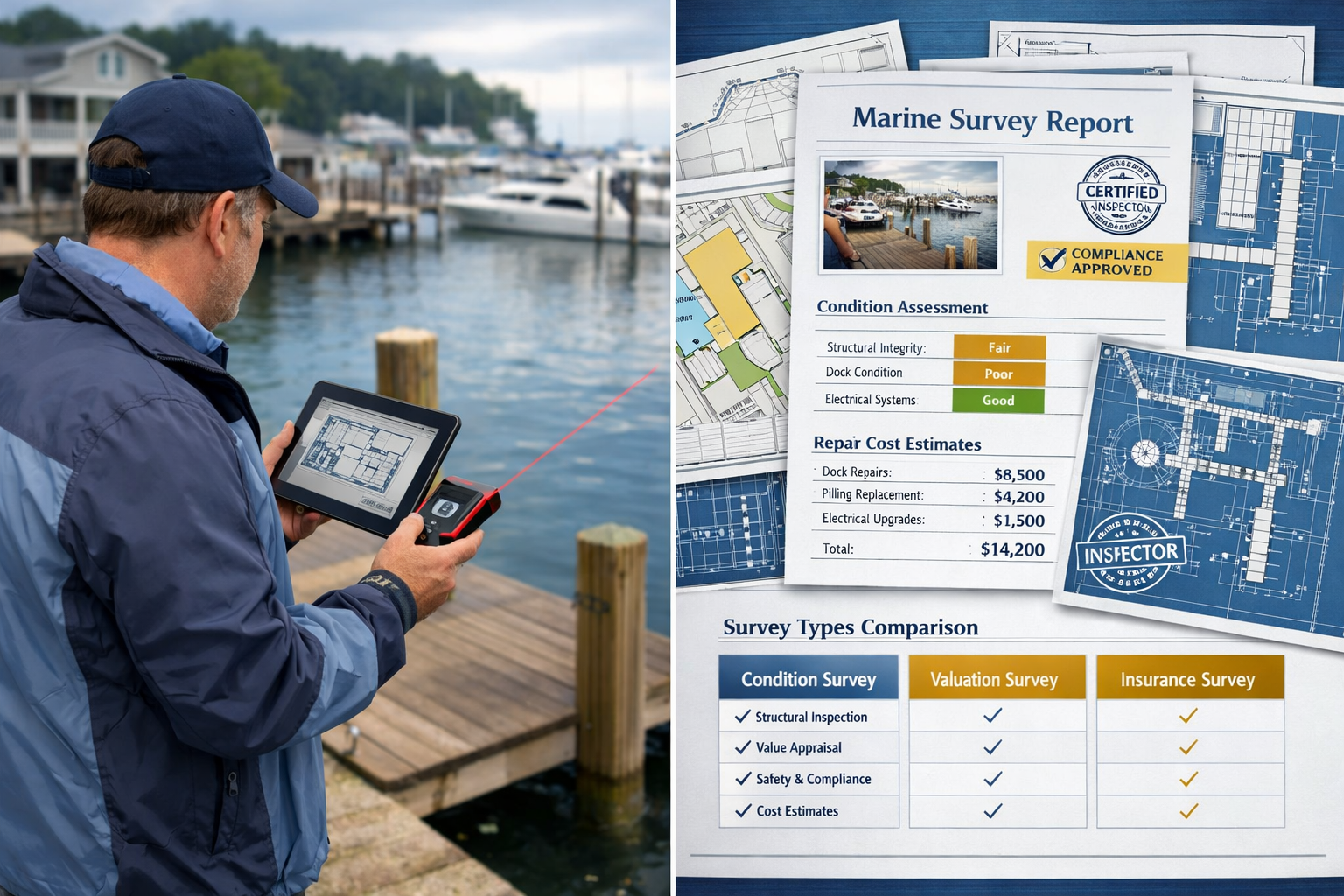
📑 Repair Cost Estimates: Detailed breakdown of costs to address identified issues, typically categorized by urgency (immediate, short-term, long-term).
📑 Recommendations: Prioritized action items, maintenance suggestions, and guidance for future property management.
📑 Appendices: Supporting documentation including photographs, technical drawings, test results, and regulatory references.
Quality reports use clear, accessible language rather than excessive technical jargon, making findings understandable to property owners without specialized knowledge. Visual aids—photographs, diagrams, and charts—enhance comprehension and document conditions at the time of inspection.
Interpreting Condition Ratings
Surveyor marina reports typically employ standardized condition rating systems that provide consistent assessment across different property elements. Understanding these ratings helps property owners and buyers quickly identify priorities and assess overall property condition.
Common condition rating scales:
| Rating | Meaning | Action Required | Typical Issues |
|---|---|---|---|
| 1 – Excellent | New or as-new condition | Routine maintenance only | Recently installed systems |
| 2 – Good | Minor wear, well maintained | Normal maintenance | Slight weathering, minor cosmetic issues |
| 3 – Fair | Moderate wear, functional | Increased maintenance, monitor | Moderate deterioration, some repairs needed |
| 4 – Poor | Significant deterioration | Repairs required soon | Advanced wear, functional impairment |
| 5 – Very Poor | Serious defects | Immediate action needed | Safety concerns, imminent failure |
Some surveyors use color coding—green for satisfactory, amber for monitoring, red for urgent—to make condition assessment immediately apparent. This visual approach helps readers quickly identify priority areas requiring attention.
Interpreting ratings in context proves essential. A rating of “3 – Fair” for decorative railings carries different implications than the same rating for structural pilings. The report should provide context explaining the significance of each rating and its practical implications.
Understanding these ratings helps property owners make informed decisions about repair priorities and budget allocation. Similar to how Level 2 and Level 3 surveys provide different depths of assessment for residential properties, marina surveys offer varying levels of detail based on property complexity and client needs.
Using Survey Results for Negotiation
One of the most valuable applications of a surveyor marina report involves using findings to negotiate purchase price adjustments or seller-funded repairs. Professional survey documentation provides objective evidence supporting negotiation positions.
Effective negotiation strategies using survey results:
💼 Quantify Issues in Monetary Terms: Present repair cost estimates from the survey to justify price reductions. Sellers find specific figures more compelling than vague concerns about “some problems.”
💼 Prioritize Safety and Compliance Issues: Regulatory violations and safety hazards carry particular weight because they expose sellers to potential liability and may affect the property’s marketability to other buyers.
💼 Request Seller Repairs or Credits: Rather than simple price reduction, consider requesting that sellers address specific issues before closing or provide credits for buyer-completed repairs.
💼 Renegotiate Terms or Walk Away: Serious defects discovered during surveyor marina assessment may justify renegotiating other deal terms or, in extreme cases, terminating the purchase agreement.
💼 Obtain Multiple Repair Quotes: When survey findings indicate significant work, obtaining competitive bids from contractors strengthens negotiating position with concrete cost documentation.
Successful negotiation examples from real marina transactions illustrate the value of thorough surveys:
- Buyer negotiated £75,000 price reduction after survey revealed extensive piling deterioration requiring imminent replacement
- Survey identifying environmental compliance violations resulted in seller funding £35,000 remediation before closing
- Discovery of inadequate water depth prompted seller to fund £45,000 dredging operation as closing condition
Even when sellers resist price adjustments, survey documentation protects buyers by ensuring they enter transactions with full knowledge of property condition and anticipated costs. This informed decision-making prevents the buyer’s remorse that often follows discovering problems after purchase completion.
Marina Survey Best Practices and Timing
When to Commission a Marina Survey
Timing a surveyor marina assessment appropriately ensures maximum value and protects your interests throughout the property transaction or ownership lifecycle. Different situations call for different survey timing strategies.
Optimal timing for marina surveys:
⏰ Pre-Purchase Due Diligence: Schedule surveys after your offer is accepted but before the purchase becomes legally binding. This timing provides opportunity to negotiate based on findings or withdraw if issues prove too severe. Allow 3-4 weeks for scheduling, inspection, and report preparation.
⏰ Pre-Listing Assessment: Sellers benefit from commissioning surveys before listing property. This proactive approach identifies issues that might derail sales, allows time for strategic repairs, and demonstrates transparency to potential buyers. Properties with recent professional surveys often command premium prices and sell faster.
⏰ Periodic Condition Monitoring: Existing marina owners should commission condition surveys every 3-5 years to track deterioration, plan maintenance budgets, and identify emerging problems before they become emergencies.
⏰ Pre-Renovation Planning: Before undertaking major improvements or expansions, comprehensive surveys establish baseline conditions, identify hidden issues that might affect projects, and provide documentation for permitting authorities.
⏰ Insurance Requirements: Many insurers require surveys before providing coverage or at renewal for high-value marina properties. Schedule these well before policy expiration to avoid coverage gaps.
⏰ Financing Applications: Lenders typically require professional valuations and condition assessments before approving marina purchase or refinancing loans. Commission surveys early in the financing process to prevent delays.
Seasonal considerations also affect survey timing. In temperate climates, spring and fall typically provide optimal conditions—water levels are moderate, weather is mild, and surveyors’ schedules are less congested than during peak summer season. However, urgent situations may necessitate winter surveys despite less favorable conditions.
Preparing for the Surveyor’s Visit
Proper preparation ensures surveyor marina professionals can conduct thorough, efficient inspections that identify all significant issues. Property owners and sellers who facilitate comprehensive access typically receive more valuable reports.
Preparation checklist for marina surveys:
✅ Provide Complete Documentation: Gather property deeds, planning permissions, previous survey reports, maintenance records, utility system diagrams, and environmental compliance documentation. Comprehensive records help surveyors understand property history and focus inspection efforts appropriately.
✅ Ensure Full Access: Arrange for access to all areas including locked buildings, utility rooms, storage areas, and office spaces. Restricted access limits inspection scope and may require follow-up visits at additional cost.
✅ Clear Obstructions: Remove or relocate boats, equipment, and materials blocking dock access or obscuring structural elements. Surveyors can’t assess what they can’t see.
✅ Coordinate with Tenants: If the marina operates with slip holders or tenants, notify them of the inspection and request cooperation in providing access to their areas.
✅ Arrange Utility Access: Ensure electrical panels, water shut-offs, and sewage systems are accessible and properly labeled.
✅ Schedule Appropriate Tide Conditions: For underwater inspections, coordinate timing with tide schedules to optimize visibility and access to submerged structures.
✅ Provide Safety Equipment: Ensure life jackets, first aid equipment, and emergency contact information are readily available during the inspection.
✅ Designate a Contact Person: Have someone knowledgeable about the property available to answer questions and provide information during the inspection.
Good preparation demonstrates professionalism and typically results in more thorough inspections. Surveyors appreciate cooperation and often provide additional insights and recommendations when property owners facilitate comprehensive access and engage constructively during the process.
Following Up After the Survey
Receiving the surveyor marina report marks the beginning rather than the end of the process. How property owners respond to survey findings significantly impacts long-term outcomes and investment success.
Post-survey action steps:
📋 Review Thoroughly: Read the entire report carefully, not just the executive summary. Understanding all identified issues, even minor ones, provides comprehensive property knowledge.
📋 Seek Clarification: Contact the surveyor to discuss any unclear findings or request additional explanation. Professional surveyors expect follow-up questions and should be available to provide clarification.
📋 Prioritize Issues: Develop an action plan that addresses urgent safety and structural concerns first, followed by compliance issues and deferred maintenance. The survey report’s recommendations provide a starting point for prioritization.
📋 Obtain Repair Quotes: For significant issues, obtain detailed quotes from qualified marine contractors. Multiple bids ensure competitive pricing and provide options for addressing problems.
📋 Implement Immediate Fixes: Address urgent safety hazards and compliance violations promptly to minimize liability and prevent further deterioration.
📋 Develop Long-term Maintenance Plan: Use survey findings to create a comprehensive maintenance schedule and capital improvement budget covering the next 5-10 years.
📋 Update Insurance: Inform your insurance provider about the survey results and any improvements made. Addressing identified issues may qualify for premium reductions.
📋 Document Everything: Maintain comprehensive records of all repairs, improvements, and ongoing maintenance. This documentation proves valuable for future surveys, sales, or insurance claims.
For property buyers, survey findings inform not just the immediate purchase decision but also long-term ownership strategy. Understanding the full scope of anticipated costs and maintenance requirements enables realistic budgeting and prevents financial surprises.
Similar to how comprehensive condition survey reports provide valuable property insights for London properties, marina surveys deliver essential information for waterfront property success.
Conclusion: Protecting Your Marina Investment
Investing in marina property—whether purchasing a waterfront facility, acquiring berthing rights, or managing existing marine infrastructure—represents a significant financial commitment that demands thorough due diligence. A professional surveyor marina assessment provides the comprehensive evaluation necessary to make informed decisions, avoid costly mistakes, and protect your investment for years to come.
The specialized expertise that surveyor marina professionals bring to waterfront property assessment cannot be overstated. These specialists understand the unique challenges posed by marine environments, from the accelerated deterioration caused by constant water exposure to the complex regulatory requirements governing waterfront development. Their comprehensive evaluations identify issues that standard property surveyors might overlook, potentially saving property owners tens or even hundreds of thousands in unexpected repairs and compliance costs.
Key benefits of professional marina surveys include:
- 🛡️ Investment Protection through identification of hidden defects and accurate condition assessment
- 💰 Negotiation Leverage backed by objective documentation of property issues and repair costs
- ⚖️ Compliance Assurance verifying adherence to environmental, safety, and maritime regulations
- 📊 Financial Planning with detailed cost projections for immediate repairs and long-term maintenance
- 🔍 Risk Mitigation by identifying safety hazards and liability concerns before they cause problems
Take Action to Secure Your Marina Investment
Don’t leave your significant marina investment to chance. Whether you’re considering a purchase, managing an existing facility, or planning improvements, commissioning a professional surveyor marina assessment should be your next step.
Immediate action items:
- Research Qualified Surveyors: Identify professionals with specific marina assessment experience and appropriate credentials
- Request Detailed Proposals: Obtain quotes from multiple surveyors, ensuring you understand exactly what services are included
- Schedule Your Survey: Book inspections well in advance of critical deadlines to allow adequate time for thorough assessment
- Prepare Thoroughly: Gather documentation and ensure comprehensive property access to maximize survey value
- Plan for Follow-Up: Budget time and resources to address identified issues appropriately
The investment in a comprehensive surveyor marina assessment—typically £4,000-£8,000 for smaller facilities—pales in comparison to the potential costs of undiscovered problems. Property buyers who skip professional surveys to save money often discover this false economy when facing six-figure repair bills shortly after purchase.
For property owners seeking comprehensive surveying services across various property types, professional surveying firms offer expertise that extends beyond marina assessments to include residential, commercial, and specialized property evaluations. Understanding what surveyors do and the value they provide helps property owners make informed decisions about when and how to engage these professionals.
Your marina property represents more than just a financial investment—it’s a gateway to waterfront lifestyle, recreational opportunities, or business success. Protecting that investment through professional surveyor marina assessment ensures you can enjoy those benefits without the stress of unexpected problems and costly surprises. Take the first step today by reaching out to qualified marina survey professionals and securing the comprehensive evaluation your investment deserves.
The difference between a successful marina investment and a financial disaster often comes down to the quality of due diligence conducted before purchase or during ownership. Make the smart choice—invest in professional surveyor marina assessment and enjoy the peace of mind that comes with truly understanding your property’s condition, value, and future requirements.
