
The UK surveying profession stands at a critical crossroads in 2026. As regulatory frameworks tighten and building safety requirements intensify, organisations face an unprecedented challenge: finding qualified professionals who can navigate the complex landscape of compliance, safety standards, and housing regulations. The demand for fire safety specialists, damp and moisture experts, and regulatory compliance surveyors has never been higher—yet the talent pool remains worryingly shallow.
This skills shortage isn't just a hiring headache; it represents a fundamental shift in how the surveying profession operates. With new regulations reshaping job descriptions and career pathways, both employers and aspiring surveyors must adapt quickly to remain competitive in this evolving market.

Key Takeaways
- 🏗️ Regulatory-driven demand: Building safety legislation and housing compliance requirements are creating urgent hiring needs for specialized surveyors with regulatory expertise
- 📊 Skills shortage paradox: Despite falling overall UK job vacancies, construction and surveying sectors face intensifying talent shortages, with over 60% of firms reporting recruitment difficulties [3]
- 🎓 Chartered status premium: Organizations increasingly prioritize chartered surveyors with demonstrated CPD commitment and regulatory documentation expertise [1]
- 💼 Career opportunities expanding: Fire safety, damp investigation, and compliance-focused roles offer strong career prospects for professionals willing to develop specialized knowledge
- ⚡ First-mover advantage: Employers who anticipate regulatory changes early can secure talent before shortages intensify further [1]
Understanding Surveying Recruitment Trends 2026: The Regulatory Revolution
The Compliance-Led Hiring Transformation
The surveying profession has entered what industry experts call a "compliance-led hiring era." Unlike previous years when general surveying skills sufficed, 2026 demands specialists who understand the intricate web of building safety regulations, housing compliance standards, and professional documentation requirements [1].
This transformation stems from several converging factors:
Regulatory Evolution: New building safety legislation continues to reshape the profession, creating entirely new job categories and skill requirements. Organizations now seek surveyors who can interpret complex regulatory frameworks and translate them into actionable building assessments.
Professional Standards Elevation: The emphasis on chartered professional status has intensified. Employers increasingly view RICS membership and ongoing CPD as non-negotiable hiring criteria rather than desirable extras [1].
Documentation Expertise: The ability to produce compliant, defensible reports has become paramount. Surveyors must now demonstrate proficiency in regulatory documentation that meets heightened legal and professional standards.
Market Stabilization Amid Sector-Specific Pressures
While the broader UK recruitment market shows signs of stabilization—with construction PMI reaching 46.4 in early 2026, representing the slowest reduction in seven months [2]—the picture for surveying recruitment remains complex.
| Sector | Status | Key Indicator |
|---|---|---|
| Commercial Construction | Nearing stabilization | PMI approaching neutral territory |
| Housing Construction | Continued pressure | Index at 39.3, indicating contraction [2] |
| Surveying Recruitment | Skills shortage intensifying | 60%+ of firms report recruitment difficulties [3] |
| Overall Job Vacancies | Declining nationally | Approximately 734,000 total vacancies [3] |
This creates a paradox: while total job vacancies fall nationally, specialized surveying roles experience unprecedented demand. Organizations seeking compliance-focused professionals face fierce competition for limited talent.
Building Safety and Housing Compliance: The New Hiring Priorities
Fire Safety Specialists: Critical Demand in 2026
The demand for fire safety surveyors has surged dramatically as organizations grapple with enhanced building safety requirements. These specialists represent one of the fastest-growing segments within surveying recruitment trends 2026.
Fire safety surveyors must possess:
- ✅ Comprehensive knowledge of fire safety regulations and building codes
- ✅ Technical assessment skills for fire risk evaluation and compartmentation analysis
- ✅ Regulatory documentation expertise to produce compliant fire safety reports
- ✅ Communication abilities to explain complex safety issues to diverse stakeholders
- ✅ Continuing professional development in evolving fire safety standards
Organizations hiring fire safety specialists face particular challenges. The specialized nature of this work requires extensive training and experience—credentials that take years to develop. Consequently, experienced fire safety surveyors command premium salaries and often receive multiple competing offers.
Career Advice for Aspiring Fire Safety Surveyors:
Professionals looking to enter this field should prioritize obtaining relevant certifications, seeking mentorship from experienced fire safety professionals, and staying current with regulatory changes. Understanding building survey methodologies provides an excellent foundation for specializing in fire safety work.
Damp and Moisture Experts: Addressing Housing Quality
Damp investigation specialists represent another critical shortage area within surveying recruitment trends 2026. As housing quality standards tighten and tenant protections strengthen, landlords and property managers require expert assessments to ensure compliance.
The role extends beyond simple damp detection to include:
- Comprehensive moisture analysis using advanced diagnostic equipment
- Root cause identification distinguishing between condensation, penetrating damp, and rising damp
- Remediation recommendations that satisfy regulatory requirements
- Follow-up verification ensuring interventions achieve desired outcomes
- Regulatory reporting documenting findings for compliance purposes
The housing construction sector's continued pressure—with the housing construction index at 39.3 [2]—creates additional complexity. Limited new housing supply increases focus on existing stock quality, driving demand for damp specialists who can assess and certify housing conditions.
Career Pathway Considerations:
Surveyors developing damp expertise should invest in thermal imaging qualifications, moisture meter proficiency, and understanding of building pathology. Combining damp expertise with broader building survey capabilities creates particularly valuable skill sets in 2026's market.
Regulatory Compliance Surveyors: The Documentation Specialists
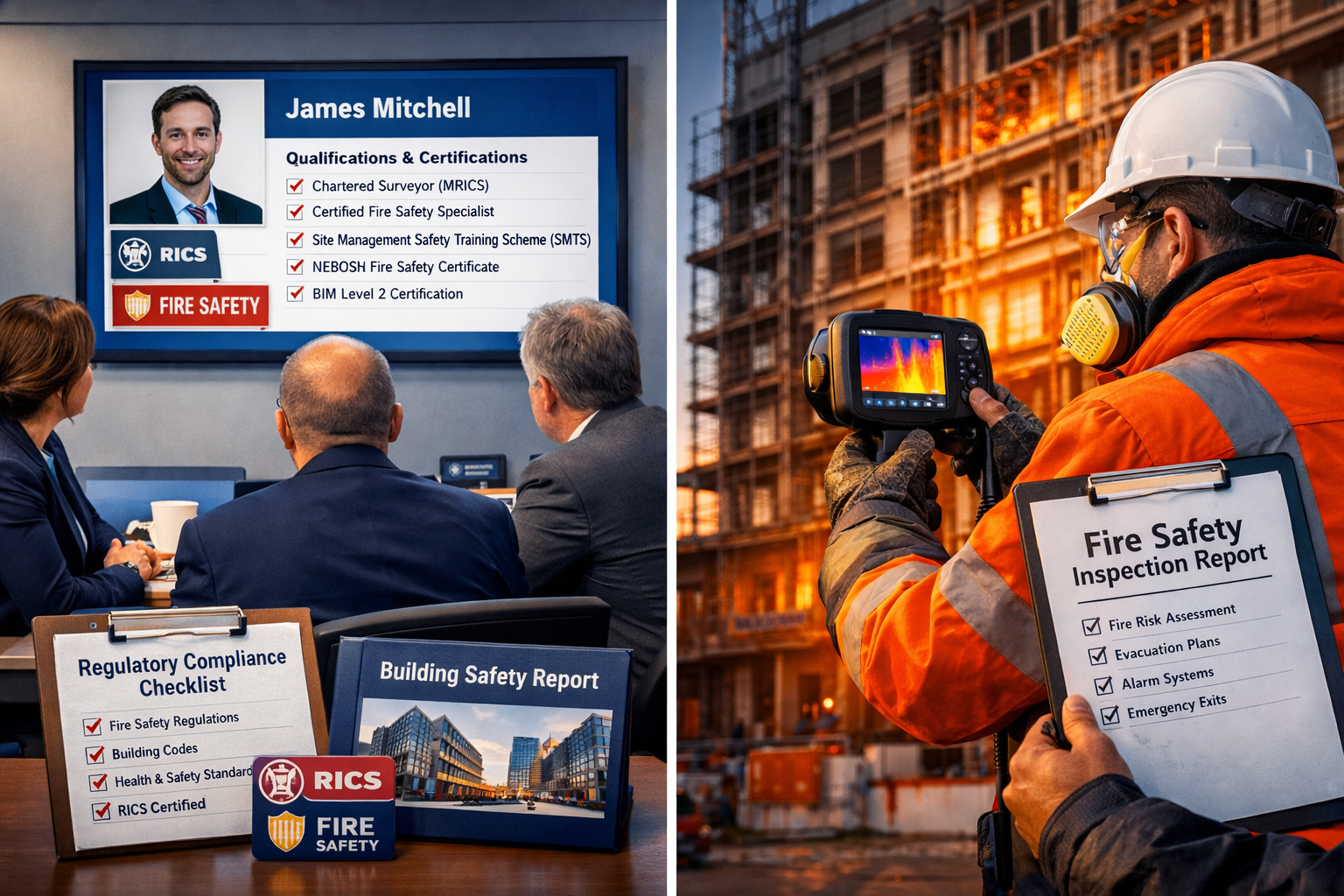
Perhaps no role better exemplifies surveying recruitment trends 2026 than the regulatory compliance surveyor—a position that barely existed five years ago but now features prominently in recruitment campaigns [1].
These professionals serve as the bridge between technical surveying work and regulatory requirements. Their responsibilities include:
- 📋 Compliance auditing: Reviewing existing building documentation against current regulatory standards
- 📋 Gap analysis: Identifying deficiencies in compliance documentation and recommending remediation
- 📋 Regulatory liaison: Communicating with regulatory bodies and ensuring organizational adherence to standards
- 📋 Training delivery: Educating colleagues on evolving compliance requirements
- 📋 Risk assessment: Evaluating compliance risks and prioritizing remediation efforts
Organizations particularly value regulatory compliance surveyors who understand the practical application of regulations. The ability to produce comprehensive survey reports that satisfy both technical and regulatory requirements distinguishes top candidates.
Hiring Priority Insight:
Employers seeking regulatory compliance surveyors should emphasize ongoing professional development opportunities in job descriptions. The regulatory landscape evolves continuously, making CPD commitment essential. Candidates demonstrating proactive engagement with regulatory changes—through professional body involvement, training attendance, or industry publication contributions—typically prove most successful in these roles.
Skills Shortages in Building Safety Roles: Causes and Consequences
The Workforce Shrinkage Challenge
The skills shortage affecting surveying recruitment trends 2026 stems partly from broader workforce dynamics. Across construction and allied trades sectors, over 60% of firms report recruitment difficulties [3]. This shortage reflects several underlying causes:
Retirement Wave: Experienced surveyors and tradespeople are retiring faster than new professionals enter the field. This creates knowledge gaps, particularly in specialized areas like building safety and compliance work.
Training Pipeline Constraints: The time required to develop competent building safety and compliance surveyors—typically 5-7 years from entry to full proficiency—means current shortages will persist even with increased training investment.
Regulatory Complexity Barrier: The increasingly complex regulatory environment deters some potential entrants who perceive the profession as overly bureaucratic or legally risky.
Compensation Misalignment: In some segments, compensation hasn't kept pace with increased responsibility and liability, making alternative career paths more attractive to talented individuals.
The Paradox of Declining Vacancies and Persistent Shortages
While total UK job vacancies fell to approximately 734,000 in late 2025 [3], specialized surveying roles experience the opposite trend. This paradox creates unique challenges:
Organizations may misinterpret broader market softening as indicating easier recruitment, only to discover that building safety and compliance roles remain extremely difficult to fill. This can lead to inadequate recruitment budgets, insufficient salary offerings, or delayed hiring decisions—all of which exacerbate talent acquisition challenges.
Strategic Implication for Employers:
Successful organizations recognize that surveying recruitment operates in a distinct microeconomy from general employment markets. They invest in targeted recruitment strategies, competitive compensation packages, and professional development programs specifically designed for compliance-focused surveyors.
Consequences of Unfilled Positions
The impact of surveying skills shortages extends beyond individual organizations:
- ⚠️ Project delays: Insufficient surveying capacity slows property transactions, renovations, and compliance certifications
- ⚠️ Quality concerns: Overworked surveyors may produce less thorough assessments, potentially missing critical safety issues
- ⚠️ Regulatory risk: Organizations unable to secure adequate surveying expertise face increased compliance violations
- ⚠️ Market inefficiency: Property markets function less effectively when surveying bottlenecks delay transactions
- ⚠️ Cost inflation: Scarcity drives up surveying fees, increasing property transaction costs
Understanding what surveyors look for during assessments helps contextualize the expertise required and why developing replacement talent takes considerable time.
Career Opportunities and Professional Development in 2026
Navigating the Evolving Career Landscape
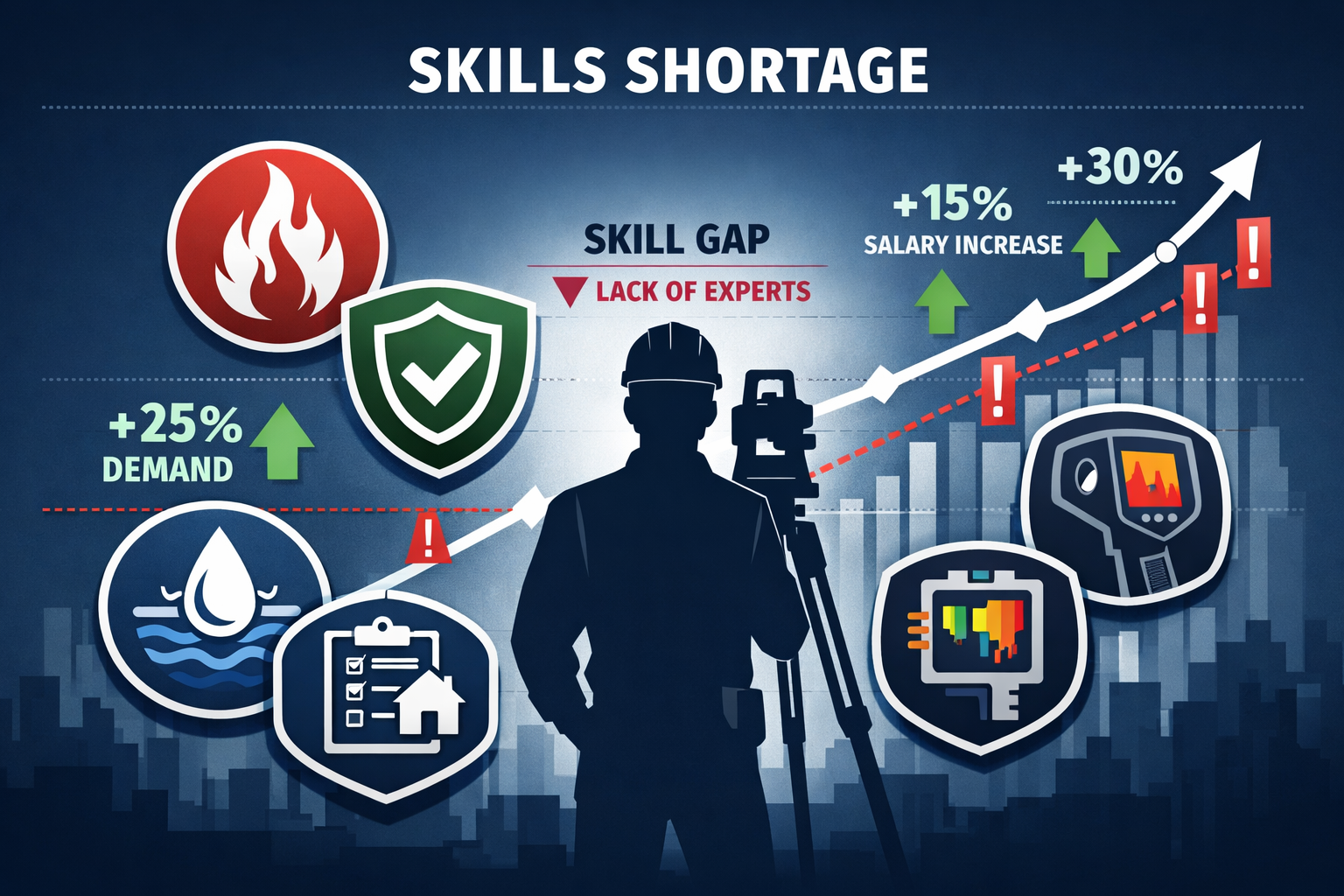
For surveying professionals, the skills shortages and regulatory evolution create significant career opportunities. Those willing to develop specialized expertise in building safety and housing compliance can expect:
Enhanced Career Mobility: Specialists in fire safety, damp investigation, and regulatory compliance enjoy strong bargaining positions, with opportunities to choose among multiple employers or establish independent practices.
Accelerated Progression: The talent shortage enables faster career advancement for professionals demonstrating competence in compliance-focused work. Organizations increasingly promote from within to retain valuable expertise.
Premium Compensation: Specialized surveyors command higher salaries than general practitioners, with particularly strong premiums for those holding relevant certifications and demonstrated regulatory expertise [1].
Professional Recognition: Building safety and compliance specialists gain visibility within the profession, with opportunities for thought leadership, training delivery, and industry influence.
Essential Skills for 2026 and Beyond
Professionals seeking to capitalize on surveying recruitment trends 2026 should prioritize developing these competencies:
Technical Foundations:
- Comprehensive understanding of building survey methodologies
- Proficiency with modern diagnostic equipment (thermal imaging, moisture meters, structural monitoring)
- Knowledge of construction materials, building pathology, and remediation techniques
Regulatory Expertise:
- Current knowledge of building safety legislation and housing compliance standards
- Understanding of professional standards and RICS requirements
- Familiarity with regulatory documentation requirements and legal frameworks
Professional Capabilities:
- Clear communication skills for explaining technical issues to non-specialist audiences
- Report writing proficiency producing defensible, compliant documentation
- Project management abilities for coordinating complex assessments
- Commercial awareness understanding client needs and market dynamics
Continuous Development:
- Commitment to structured CPD programs
- Engagement with professional bodies and industry networks
- Proactive monitoring of regulatory changes and emerging best practices
Practical Career Advice for Different Career Stages
For New Entrants:
Aspiring surveyors should seek positions offering exposure to building safety and compliance work. Look for employers emphasizing professional development and providing structured training programs. Consider pursuing chartered surveyor status as early as career progression allows—the credential has become increasingly valuable in 2026's market [1].
For Mid-Career Professionals:
Experienced surveyors should evaluate specialization opportunities in fire safety, damp investigation, or regulatory compliance. These niches offer strong growth prospects and insulation from broader market volatility. Investing in relevant certifications and building case study portfolios demonstrating compliance expertise positions professionals for advancement.
For Senior Practitioners:
Established surveyors can leverage expertise by transitioning into advisory, training, or expert witness roles. The knowledge gap created by workforce shrinkage creates demand for mentorship and knowledge transfer. Senior professionals might also explore consultancy models, offering specialized expertise to multiple organizations.
The Chartered Advantage in 2026
Organizations increasingly prioritize chartered status when hiring, viewing RICS membership as evidence of professional commitment and competence [1]. The chartered designation offers several advantages:
- ✨ Market differentiation in competitive hiring processes
- ✨ Client confidence particularly for compliance-sensitive work
- ✨ Professional credibility when liaising with regulatory bodies
- ✨ Network access to industry knowledge and career opportunities
- ✨ Earning potential with chartered surveyors commanding premium rates
For professionals not yet chartered, pursuing this credential should be a priority career development objective in 2026.
Employer Strategies for Addressing Surveying Recruitment Challenges
Proactive Talent Acquisition
Organizations successfully navigating surveying recruitment trends 2026 adopt proactive approaches rather than reactive hiring:
Early Talent Identification: Leading employers build relationships with promising professionals before immediate hiring needs arise. This might involve sponsoring professional development, offering mentorship, or maintaining candidate pipelines for anticipated future vacancies.
Regulatory Anticipation: Organizations that anticipate regulatory changes early can recruit talent before market demand intensifies [1]. This requires monitoring legislative developments and adjusting hiring strategies accordingly.
Competitive Positioning: Successful employers clearly articulate their value proposition to surveying professionals. This extends beyond salary to include professional development opportunities, interesting project work, work-life balance, and career progression pathways.
Retention Through Development
Given recruitment difficulties, retaining existing surveying talent becomes paramount. Effective retention strategies include:
- Structured CPD Programs: Providing clear professional development pathways with employer-supported training and certification
- Specialization Opportunities: Enabling interested professionals to develop expertise in building safety, compliance, or other high-demand areas
- Career Progression Clarity: Establishing transparent promotion criteria and advancement timelines
- Work Quality: Ensuring surveyors have adequate time and resources to produce quality work without excessive pressure
- Recognition and Reward: Acknowledging contributions through compensation, public recognition, and advancement opportunities
Organizations that view surveying staff as strategic assets rather than interchangeable resources typically achieve stronger retention outcomes.
Alternative Talent Strategies
Some organizations address skills shortages through creative approaches:
Upskilling Adjacent Professionals: Training construction managers, building inspectors, or related professionals in surveying methodologies can expand talent pools.
Flexible Working Arrangements: Offering remote work options, flexible schedules, or part-time opportunities can attract professionals who might otherwise leave the field.
Contractor Networks: Building relationships with specialized surveying contractors provides capacity flexibility while maintaining access to expertise.
Graduate Development Programs: Investing in graduate recruitment and structured training creates long-term talent pipelines, though this requires patience as new professionals develop competence.
International Recruitment: Some organizations recruit qualified surveyors from international markets, though this requires navigating credential recognition and regulatory frameworks.
The First-Mover Advantage
Perhaps the most important strategic insight from surveying recruitment trends 2026 is the advantage of early action. Organizations that recognize emerging skills needs and recruit proactively secure talent before competition intensifies [1].
This might mean:
- Hiring building safety specialists before regulatory requirements formally take effect
- Recruiting compliance experts as legislation progresses through parliamentary processes
- Investing in professional development for existing staff to build internal expertise
- Establishing relationships with educational institutions to access emerging talent
The alternative—waiting until skills shortages become acute—typically results in prolonged vacancies, premium compensation requirements, and potential compromise on candidate quality.
Market Context: Construction Sector Outlook for 2026
Stabilization Signals and Persistent Challenges
The broader construction sector context shapes surveying recruitment trends 2026. While commercial construction shows signs of stabilization [2], housing construction remains constrained with the housing construction index at 39.3, indicating continued contraction [2].
This creates mixed implications for surveying recruitment:
Positive Indicators:
- Construction sector optimism reached its highest level since May 2025 [2]
- Commercial construction nearing stabilization suggests potential demand recovery
- Regulatory emphasis on existing building stock creates work independent of new construction volumes
Challenging Factors:
- Housing construction constraints limit some traditional surveying work
- Economic uncertainty may delay some discretionary surveying instructions
- Broader market caution could constrain surveying fee growth despite skills shortages
Regional Variations
Surveying recruitment trends 2026 vary by geography. Urban areas with significant existing building stock—particularly those with older housing requiring compliance upgrades—typically experience stronger demand for building safety and compliance surveyors.
Organizations operating across multiple regions should tailor recruitment strategies to local market conditions, recognizing that talent availability and compensation expectations vary considerably by location.
Conclusion: Thriving Amid Surveying Recruitment Trends 2026
The surveying profession's transformation in 2026 presents both challenges and opportunities. Skills shortages in building safety and housing compliance roles reflect fundamental shifts in how the profession operates, driven by regulatory evolution and heightened quality standards.
For employers, success requires proactive talent strategies, competitive positioning, and genuine investment in professional development. Organizations that recognize the strategic value of specialized surveying expertise—and act early to secure talent—will navigate the skills shortage most effectively. The first-mover advantage cannot be overstated: waiting until recruitment needs become urgent typically results in prolonged vacancies and compromised outcomes [1].
For surveying professionals, 2026 offers exceptional career opportunities. Those willing to develop expertise in fire safety, damp investigation, or regulatory compliance can expect strong demand, enhanced career mobility, and premium compensation. Pursuing chartered status, maintaining rigorous CPD commitments, and building specialized knowledge positions professionals for success in this evolving market.
The regulatory-driven transformation of surveying recruitment isn't temporary—it represents the profession's future direction. Building safety and housing compliance will remain central concerns regardless of broader economic cycles. Professionals and organizations that embrace this reality and adapt accordingly will thrive, while those clinging to outdated approaches will struggle.
Actionable Next Steps
For Surveying Professionals:
- ✅ Assess current skills against 2026 market demands, identifying development priorities
- ✅ Investigate specialization opportunities in fire safety, damp investigation, or compliance
- ✅ Pursue or progress toward chartered status if not already achieved
- ✅ Build a professional network within building safety and compliance communities
- ✅ Document case studies demonstrating regulatory expertise for future career opportunities
For Employers:
- ✅ Conduct workforce planning identifying current and future surveying needs
- ✅ Develop competitive value propositions for attracting specialized surveyors
- ✅ Implement structured CPD programs supporting professional development
- ✅ Monitor regulatory developments to anticipate emerging skills requirements
- ✅ Consider alternative talent strategies including upskilling and contractor relationships
For Both:
- ✅ Stay informed about regulatory changes affecting building safety and housing compliance
- ✅ Engage with professional bodies and industry networks
- ✅ View the current environment as opportunity rather than obstacle
- ✅ Prioritize quality and compliance over short-term convenience
The surveying profession's evolution continues, but those who adapt thoughtfully to surveying recruitment trends 2026 will find themselves well-positioned for sustained success in this critical, growing field.
References
[1] Surveying Regulations In 2026 What Uk Employers And Surveyors Need To Know About Compliance Skills And Hiring Trends – https://www.jarsolutions.co.uk/blog/2026/02/surveying-regulations-in-2026-what-uk-employers-and-surveyors-need-to-know-about-compliance-skills-and-hiring-trends
[2] The Uk Recruitment Market Is Entering 2026 With Cautious But Encouraging Signs Of Stabilisation – https://www.theglobalrecruiter.com/the-uk-recruitment-market-is-entering-2026-with-cautious-but-encouraging-signs-of-stabilisation/
[3] Uk Recruitment Market Outlook For 2026 Rail It Trades Construction Engineering – https://www.fusionpeople.com/uk-recruitment-market-outlook-for-2026-rail-it-trades-construction-engineering/
