
The year 2026 marks a watershed moment for owners of high-value properties across England. As the government's designated "Year of Valuation," property owners with homes valued over £2 million face unprecedented scrutiny of their assets. Building surveys for high-value properties over £2M in 2026: adapting to new wealth taxes and valuations has become essential for protecting investments, managing tax liability, and maintaining property value in an evolving regulatory landscape. With the Valuation Office Agency conducting targeted assessments using April 2026 as the benchmark date, the stakes have never been higher for luxury homeowners.
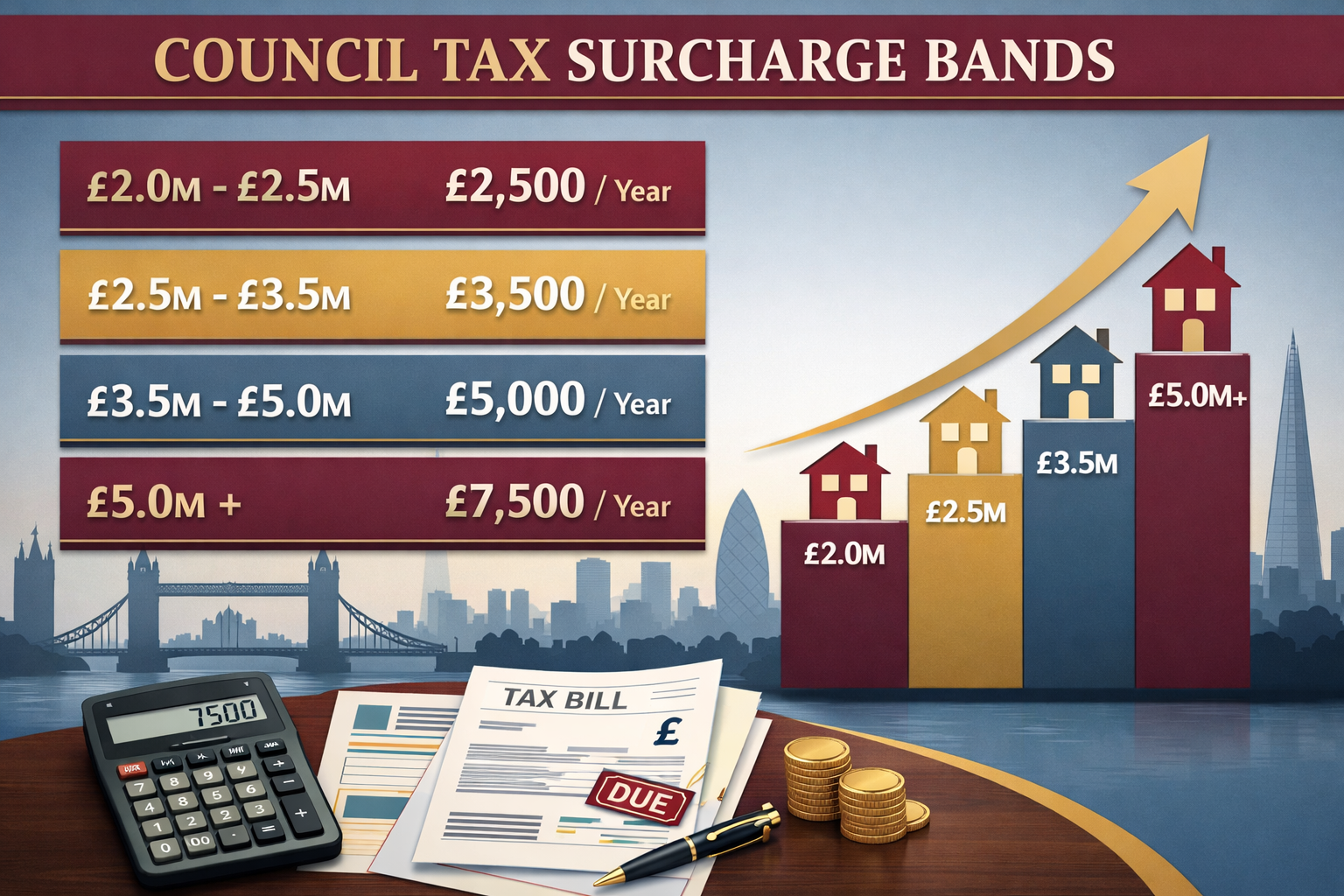
The introduction of the High Value Council Tax Surcharge (HVCTS) means that properties crossing the £2 million threshold will face additional annual charges ranging from £2,500 to £7,500, with implementation beginning in April 2028.[2] However, the critical window for action is now—in 2026—when valuations are established that will determine tax liability for the next five years.
Key Takeaways
- 2026 serves as the official valuation benchmark year that will lock in property tax liability through 2031, making comprehensive building surveys critical for accurate assessments
- Four-tiered surcharge system will add £2,500-£7,500 annually to properties valued between £2M-£5M+, potentially doubling total property tax bills from April 2028[1]
- Structural defects and deferred maintenance identified through professional surveys can significantly reduce official valuations and subsequent tax obligations
- Less than 1% of English properties will exceed the £2M threshold, with approximately half concentrated in London, affecting "regular family apartments and townhouses"[1][2]
- Professional RICS Level 3 building surveys provide documented evidence of property condition that can support valuation appeals and inform strategic retrofit decisions
Understanding the 2026 Valuation Landscape for High-Value Properties
The Year of Valuation: What Property Owners Need to Know
The Valuation Office Agency has designated 2026 as the critical assessment year for establishing property values that will determine HVCTS liability through 2031. This baseline valuation uses April 2026 market conditions as the reference point, creating a narrow window for property owners to understand and potentially influence their official valuations.[1]
Unlike traditional Council Tax banding based on 1991 values, the new surcharge system reflects current market conditions. This means a property in Band H (valued at £320,000+ in 1991) may actually fall below the £2M threshold in 2026, while a Band G property in high-growth London neighborhoods could unexpectedly exceed it.[1]
Key valuation considerations include:
- 📊 Market timing: April 2026 valuations capture a specific moment in the property cycle
- 🏗️ Property condition: Structural issues and deferred maintenance directly impact assessed value
- 🔄 Five-year lock-in: Valuations remain fixed until the next revaluation cycle in 2031[2]
- 💷 Cumulative impact: Treasury estimates suggest a 2.5% average dampening effect on high-end property values[1]
The Four-Tiered Surcharge System Explained
The HVCTS introduces a progressive charging structure that escalates with property value:
| Property Value Range | Annual Surcharge | Combined Tax Impact* |
|---|---|---|
| £2.0M – £2.5M | £2,500 | £4,500 – £5,500 |
| £2.5M – £3.5M | £3,500 | £5,500 – £6,500 |
| £3.5M – £5.0M | £5,000 | £7,000 – £8,000 |
| £5.0M+ | £7,500 | £9,500+ |
*Estimates include standard Band H Council Tax[2]
For context, a Kensington property valued at £3.5M would face approximately £7,000-£8,000 in combined annual charges from April 2028, compared to £2,000-£3,000 previously—representing more than a doubling of property tax obligations.[1]
From 2029-30 onwards, these surcharges will increase annually in line with Consumer Price Index inflation, creating an escalating long-term cost burden for affected property owners.[2]
Building Surveys for High-Value Properties Over £2M in 2026: Critical Assessment Areas
Why Comprehensive Building Surveys Are Essential in 2026
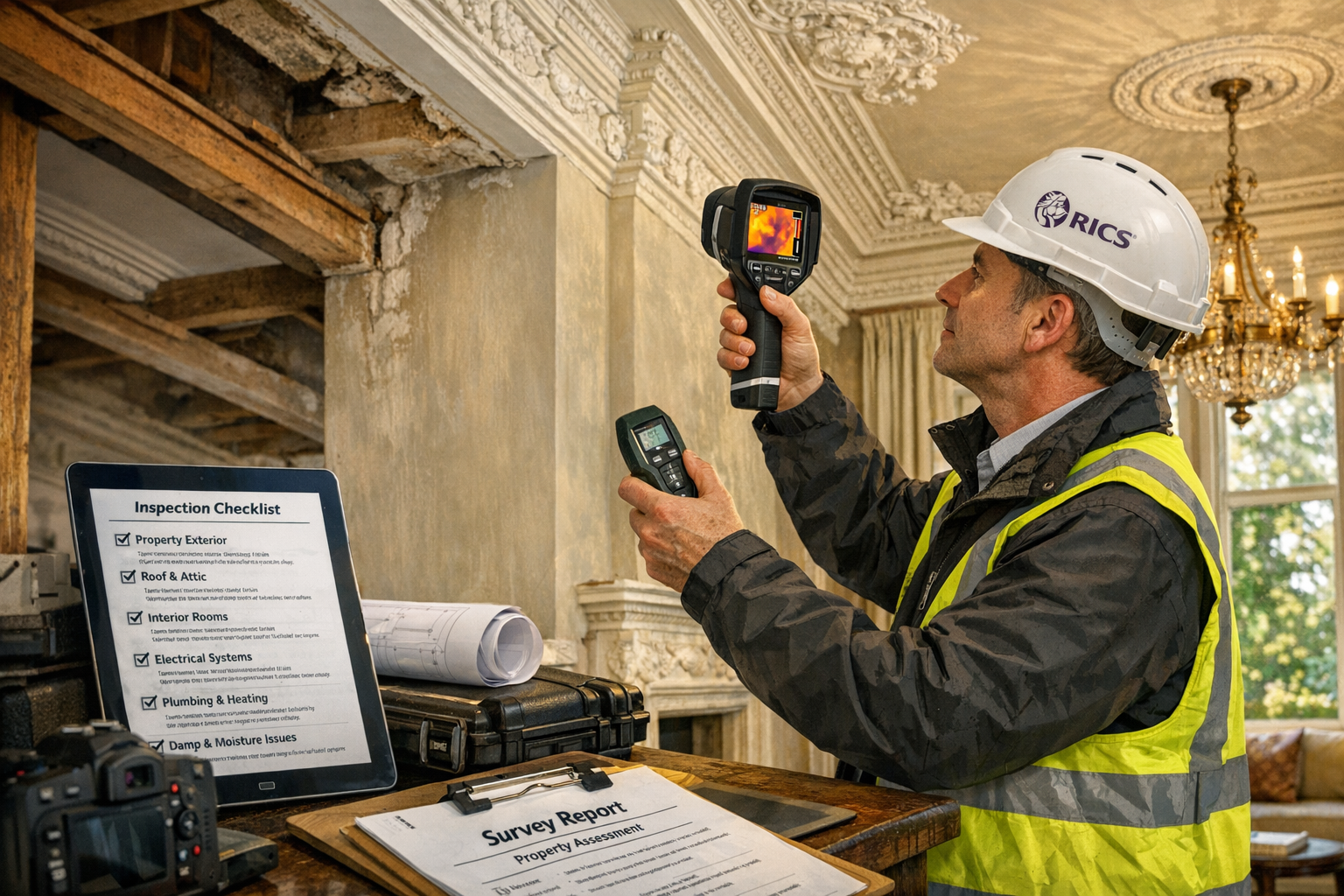
Professional building surveys have evolved from optional due diligence exercises to strategic valuation management tools in the 2026 tax landscape. A thorough RICS Level 3 building survey provides documented evidence of property condition that can:
✅ Support accurate valuations by identifying defects that reduce market value
✅ Inform strategic decisions about timing renovations before or after April 2026
✅ Provide appeal documentation if official valuations appear inflated
✅ Identify hidden liabilities that could impact long-term property value
Unlike basic homebuyer reports, comprehensive building surveys examine every accessible part of the property, from foundations to roof structure. For properties approaching the £2M threshold, understanding whether a Level 3 survey is worth it becomes a critical financial decision.
RICS Home Survey Standard Updates for 2026
The Royal Institution of Chartered Surveyors has updated survey standards to address the changing regulatory environment. Modern surveys for high-value properties now incorporate:
Enhanced structural assessments focusing on:
- Load-bearing wall integrity and settlement patterns
- Roof structure condition and remaining service life
- Foundation stability and subsidence risk
- Damp penetration and water ingress pathways
- Period feature preservation requirements
Energy performance evaluations examining:
- Current EPC ratings and improvement potential
- Retrofit compatibility with heritage features
- Thermal efficiency of building envelope
- Mechanical and electrical system age and efficiency
Valuation impact documentation that quantifies:
- Cost to remedy identified defects
- Effect of deferred maintenance on market value
- Comparison to similar properties in better condition
Professional surveyors understand what surveyors look for in a house survey and how these findings translate into valuation adjustments.
The Surveyor's Checklist for £2M+ Properties
High-value property surveys require specialized expertise beyond standard residential assessments. Key focus areas include:
🏛️ Heritage and Period Features
- Original architectural elements and their condition
- Listed building constraints and compliance
- Conservation area requirements
- Specialist materials requiring expert restoration
🔧 Building Systems and Infrastructure
- Heating, ventilation, and air conditioning systems
- Electrical installations and capacity
- Plumbing and drainage infrastructure
- Security and smart home technology integration
🌧️ Environmental and Structural Risks
- Damp surveys to identify moisture issues
- Structural movement monitoring
- Flood risk assessments
- Ground conditions and stability
📐 Measurement and Specification
- Accurate floor area calculations (GIA and NIA)
- Room dimensions and ceiling heights
- Outdoor space and amenity quantification
- Comparison to Land Registry records
For properties with complex histories, comprehensive condition survey reports provide the detailed documentation necessary for valuation discussions.
Strategic Implications: Adapting to New Wealth Taxes and Valuations
Timing Renovations and Retrofits Around the 2026 Valuation Date
Property owners face a critical strategic decision: whether to complete improvements before or after the April 2026 valuation benchmark. This timing can significantly impact tax liability for the next five years.
Pre-April 2026 renovation considerations:
Advantages:
- Improvements completed before valuation are "locked in" at current cost
- Enhanced property value provides equity for future transactions
- Energy efficiency upgrades reduce ongoing operational costs
- Quality of life improvements enjoyed immediately
Disadvantages:
- Higher 2026 valuation increases HVCTS liability through 2031
- Renovation costs paid upfront without tax benefit
- Risk of property crossing into higher surcharge band
Post-April 2026 renovation considerations:
Advantages:
- Lower baseline valuation reduces tax burden through 2031
- Renovation costs spread over period of lower tax payments
- Property improvements enjoyed without immediate tax penalty
- Flexibility to reassess market conditions
Disadvantages:
- Living with deferred maintenance through valuation period
- Potential safety or habitability concerns
- Missed energy efficiency savings
- Property marketed in lesser condition if selling
Expert Insight: "For properties valued between £1.8M-£2.2M, strategic timing of major renovations can determine whether you face surcharge liability for five years. A £200,000 renovation completed in March 2026 versus May 2026 could represent £12,500 in additional taxes through 2031."
Valuation Appeals and Documentation Requirements
Property owners who believe their official 2026 valuation is excessive have the right to challenge the assessment. Professional building surveys provide the evidential foundation for successful appeals.
Effective appeal documentation includes:
📋 Professional survey reports identifying:
- Structural defects and their remediation costs
- Deferred maintenance backlogs
- Systems requiring replacement
- Comparison to similar properties in better condition
📸 Photographic evidence showing:
- Visible defects and deterioration
- Dated condition records
- Before/after documentation of any changes
💰 Financial documentation demonstrating:
- Recent purchase price (if applicable)
- Repair and maintenance expenditures
- Professional valuations from RICS surveyors
- Market comparables in similar condition
The complete guide to home surveying explains how professional assessments support valuation discussions with authorities.
Market Stabilization Impacts on High-Value Property Sectors
The introduction of HVCTS is already influencing high-value property markets, with several observable trends:
📉 Price compression near threshold boundaries
Properties valued just above £2M, £2.5M, £3.5M, and £5M are experiencing downward pricing pressure as buyers factor in long-term tax costs. The Treasury's estimated 2.5% dampening effect appears conservative in some London submarkets.[1]
🏘️ Geographic concentration effects
With approximately half of affected properties located in London, the surcharge disproportionately impacts "regular family apartments and townhouses" in prime central locations before affecting traditional country estates elsewhere.[1]
🔄 Transaction timing considerations
Sellers are accelerating listings to complete before April 2026 valuations, while buyers are delaying purchases to benefit from post-valuation price adjustments.
🏗️ Development and conversion activity
New build properties and conversions are being designed to maximize value while remaining below surcharge thresholds where possible. Understanding whether you need a survey on a new build remains important even for recently constructed properties.
Second Homes and Investment Properties
The HVCTS applies to all residential properties valued over £2M in England, including second homes. If a secondary residence exceeds the threshold, owners face the surcharge in addition to any existing local second-home premiums.[1]
This creates particularly complex planning scenarios for:
- Country estate owners with multiple properties
- International investors holding UK residential assets
- Family trusts managing property portfolios
- Buy-to-let landlords in prime locations
Social housing properties are exempt from the surcharge, but private rental properties receive no special treatment.[2]
Preparing for Building Surveys for High-Value Properties Over £2M in 2026
Selecting the Right Survey Type and Surveyor
Not all building surveys are created equal. For properties approaching or exceeding the £2M threshold, choosing the appropriate survey level and qualified surveyor is critical.
Survey type comparison:
Understanding the key differences between Level 2 vs Level 3 surveys helps property owners select appropriate assessment depth. For high-value properties, Level 3 surveys provide the comprehensive analysis necessary for tax planning.
Surveyor qualifications to verify:
✓ RICS membership (Member or Fellow status)
✓ Specialist experience with high-value and period properties
✓ Local market knowledge of comparable valuations
✓ Technical expertise in heritage building construction
✓ Valuation credentials for appeal documentation
Professional chartered surveyors in Central London and other prime locations understand the unique challenges of luxury property assessment.
Timeline Considerations for 2026 Valuations
The window for strategic action is narrowing. Property owners should understand how long a homebuyer's survey takes and plan accordingly.
Recommended timeline:
| Timeframe | Action Items |
|---|---|
| January-March 2026 | Commission comprehensive building survey; review findings; develop strategic plan |
| April 2026 | Valuation benchmark date – property condition as-is determines tax liability |
| May-December 2026 | Implement post-valuation improvements if strategically advantageous |
| 2027 | Review official valuation notices; prepare appeals if necessary |
| April 2028 | First HVCTS payments due |
Cost-Benefit Analysis of Survey Investment
Professional building surveys for high-value properties typically cost £1,500-£5,000 depending on property size and complexity. This investment can yield significant returns:
Potential financial benefits:
💷 Valuation reduction: A survey identifying £100,000 in deferred maintenance could reduce official valuation by similar amount, potentially moving property into lower surcharge band
💷 Tax savings: Dropping from £2.6M to £2.4M valuation saves £1,000 annually (£5,000 over five years)
💷 Informed renovation decisions: Understanding true property condition prevents costly surprises during improvement projects
💷 Appeal documentation: Professional reports provide credible evidence for valuation challenges
💷 Transaction leverage: Buyers can negotiate purchase price reductions based on survey findings
The return on investment for a comprehensive survey often exceeds 10:1 when considering long-term tax implications and informed decision-making.
Navigating Compliance and Professional Support
Working with RICS Professionals
The complexity of building surveys for high-value properties over £2M in 2026: adapting to new wealth taxes and valuations requires coordinated professional support across multiple disciplines.
Key professional relationships:
🏗️ Chartered Building Surveyors
Conduct comprehensive property assessments and provide detailed condition reports
📊 RICS Registered Valuers
Deliver formal valuation reports for tax planning and appeal purposes
🏛️ Heritage Specialists
Assess listed buildings and conservation area properties requiring specialized knowledge
⚡ Structural Engineers
Provide structural engineer reports for significant defects or renovation planning
💼 Tax Advisors
Develop comprehensive wealth tax strategies incorporating property holdings
Documentation and Record-Keeping Best Practices
Maintaining thorough records throughout 2026 provides essential protection and planning capability:
Essential documentation:
📁 Survey reports and technical assessments
📁 Photographic records with dates
📁 Repair and maintenance invoices
📁 Energy performance certificates
📁 Planning permissions and building control approvals
📁 Professional correspondence
📁 Market valuation evidence
Digital organization systems with cloud backup ensure documents remain accessible for the five-year valuation period and potential appeals.
Understanding Your Rights and Appeal Processes
Property owners have specific rights regarding valuations and surcharge assessments:
Valuation challenge grounds:
- Factual errors in property description or measurements
- Incorrect comparable properties used in assessment
- Failure to account for documented defects or limitations
- Material changes in property condition since benchmark date
Appeal process overview:
- Initial review of official valuation notice
- Informal discussion with Valuation Office Agency
- Formal appeal submission with supporting documentation
- Independent tribunal if informal resolution fails
Professional survey reports provide the technical foundation for successful challenges, particularly when combined with expert valuation opinions.
Future-Proofing High-Value Property Investments
Long-Term Value Preservation Strategies
Beyond immediate 2026 tax planning, property owners should consider long-term value preservation:
Maintenance programming:
- Develop 5-10 year maintenance schedules based on survey findings
- Budget for major system replacements before failure
- Address structural issues proactively
- Maintain heritage features to preservation standards
Energy efficiency improvements:
- Upgrade insulation while respecting period features
- Modernize heating and cooling systems
- Install renewable energy where appropriate
- Achieve higher EPC ratings for market competitiveness
Market positioning:
- Monitor comparable property values and tax treatments
- Understand local market dynamics and buyer preferences
- Consider strategic timing for major transactions
- Maintain documentation supporting value claims
Monitoring Regulatory Developments
The HVCTS framework will evolve beyond 2026. Property owners should monitor:
🔍 Revaluation cycles (every five years starting 2031)[2]
🔍 CPI-linked surcharge increases (from 2029-30 onwards)[2]
🔍 Threshold adjustments in future legislation
🔍 Local authority implementation variations
🔍 Case law from valuation appeals and tribunal decisions
Professional advisors can provide ongoing guidance as the regulatory landscape develops.
Conclusion
Building surveys for high-value properties over £2M in 2026: adapting to new wealth taxes and valuations represents a critical strategic priority for luxury property owners across England. The designation of 2026 as the official "Year of Valuation" creates a narrow window for informed action that will determine tax liability through 2031.
Key action steps for property owners:
- Commission a comprehensive RICS Level 3 building survey before April 2026 to understand true property condition and valuation implications
- Develop a strategic renovation timeline that optimizes tax outcomes while addressing necessary maintenance and improvements
- Assemble professional advisory team including chartered surveyors, valuers, and tax specialists familiar with high-value property planning
- Document property condition thoroughly with professional reports, photographs, and maintenance records to support potential valuation appeals
- Monitor official valuation notices in 2027 and prepare challenges if assessments appear excessive based on documented evidence
The introduction of the four-tiered surcharge system—adding £2,500 to £7,500 annually for properties valued between £2M and £5M+—makes professional building surveys more valuable than ever.[2] With total property tax bills potentially doubling from April 2028, the investment in comprehensive assessment and strategic planning delivers measurable returns.[1]
Property owners who act decisively in 2026 will be best positioned to manage tax liability, preserve property value, and make informed decisions about their high-value assets. The combination of professional surveying expertise, strategic timing, and thorough documentation provides the foundation for successful navigation of this new regulatory landscape.
For personalized guidance on building surveys for your high-value property, contact our team of chartered surveyors who specialize in luxury property assessment and tax planning support.
References
[1] Hvcts Guide – https://www.crownluxuryhomes.com/hvcts-guide/
[2] High Value Council Tax Surcharge – https://www.gov.uk/government/publications/high-value-council-tax-surcharge/high-value-council-tax-surcharge
