
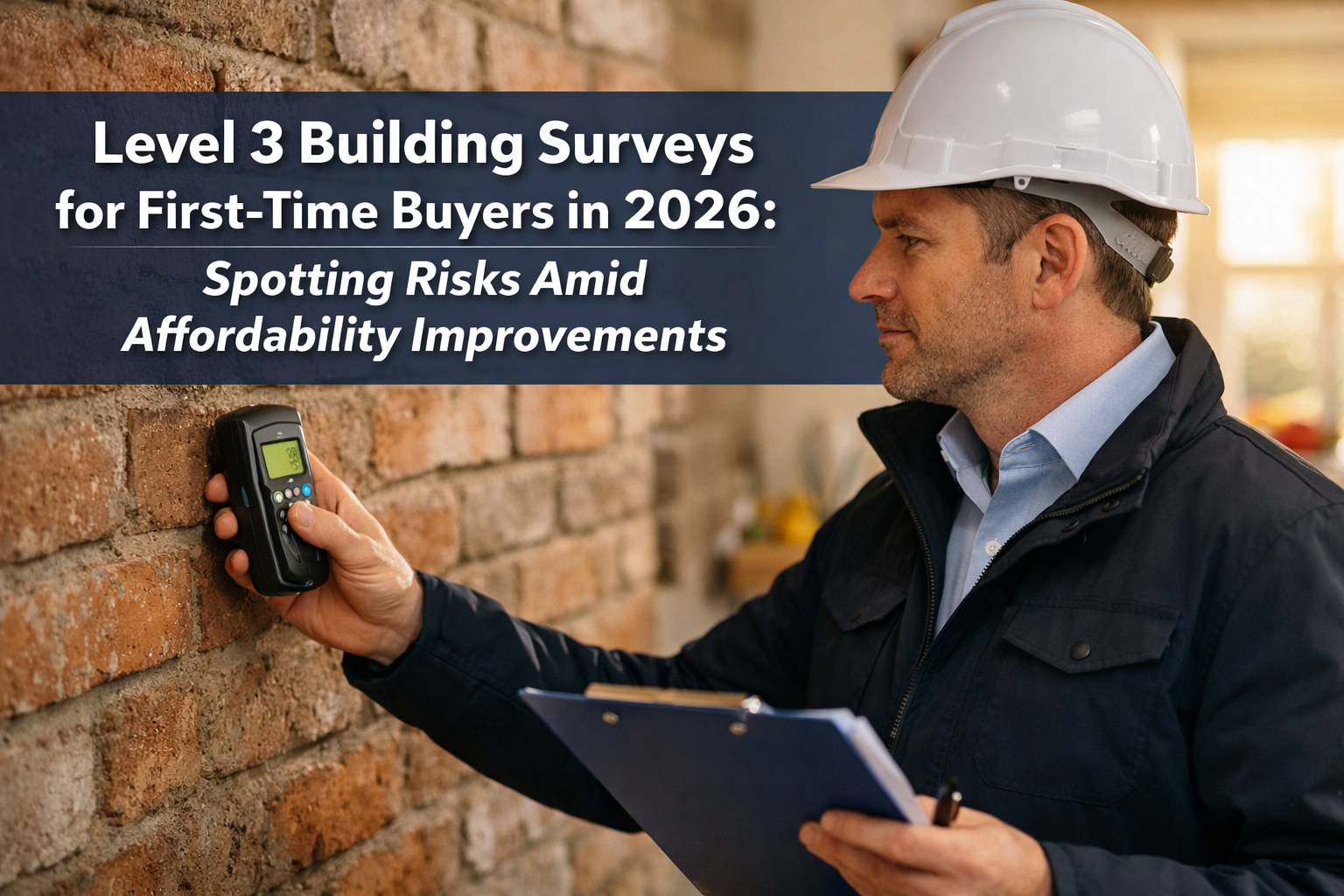
The property market in 2026 presents a unique opportunity for first-time buyers. With mortgage rates stabilising and house price growth moderating to a steady 2-3%, more aspiring homeowners are finally stepping onto the property ladder. However, this improved affordability shouldn't overshadow a critical truth: buying a home remains the biggest financial commitment most people will ever make. Understanding Level 3 Building Surveys for First-Time Buyers in 2026: Spotting Risks Amid Affordability Improvements has never been more essential, particularly as buyers navigate properties in varying conditions across regional markets.
As transaction volumes increase and buyer confidence returns, the temptation to rush through the purchasing process grows stronger. Yet the most successful first-time buyers in 2026 are those who invest in comprehensive property assessments before committing. A thorough Level 3 building survey can reveal hidden defects that could cost tens of thousands to repair—defects that might otherwise remain invisible until after completion.
Key Takeaways
✅ Level 3 surveys provide the most comprehensive property assessment, essential for first-time buyers purchasing older or non-standard properties in 2026's stabilising market
✅ Improved affordability doesn't eliminate property risks—hidden defects like subsidence, damp, and structural issues can cost £15,000-£50,000+ to remedy
✅ Regional market variations require tailored inspection approaches, with different risk profiles across growth hotspots and stabilising areas
✅ Survey findings offer powerful negotiation leverage, potentially reducing purchase prices by 5-15% or securing seller-funded repairs
✅ Early defect detection prevents costly surprises, protecting first-time buyers' limited budgets and ensuring long-term property value
Understanding Level 3 Building Surveys in the 2026 Market Context
What Makes Level 3 Surveys Essential for First-Time Buyers
A Level 3 building survey represents the most detailed and comprehensive property inspection available to homebuyers. Unlike basic mortgage valuations or mid-tier Level 2 surveys, Level 3 surveys involve an exhaustive examination of every accessible part of a property, from the foundations to the roof space.
For first-time buyers in 2026, this level of scrutiny is particularly valuable for several reasons:
🏚️ Older Property Stock: Many first-time buyers are purchasing Victorian, Edwardian, or inter-war properties that offer better value than modern builds but carry higher risks of structural issues, outdated systems, and hidden defects.
💰 Budget Constraints: First-time buyers typically operate with tight budgets and limited financial reserves. Unexpected repair costs of £20,000-£40,000 can be financially devastating, potentially forcing property sales or creating long-term debt burdens.
📊 Market Stabilisation: The 2026 market's modest 2-3% growth means properties aren't appreciating rapidly enough to quickly offset major repair costs through equity gains.
🔍 Limited Experience: First-time buyers lack the property assessment experience that helps seasoned homeowners identify warning signs during viewings.
The 2026 Affordability Landscape and Its Hidden Risks
The improved affordability conditions in 2026 stem from multiple factors:
- Interest rate reductions bringing mortgage rates down from their 2023-2024 peaks
- Stabilised house prices with modest 2-3% annual growth replacing the volatile swings of previous years
- Increased lender competition improving mortgage product availability
- Government schemes continuing to support first-time buyer access
However, these positive conditions create a potential trap. As more buyers enter the market, competition for well-priced properties intensifies. This pressure can lead to:
- Rushed purchase decisions without adequate due diligence
- Overlooking property defects in the excitement of securing a home
- Accepting properties "as seen" to strengthen offers in competitive situations
- Skipping comprehensive surveys to save upfront costs
The reality is that affordability improvements don't eliminate property risks—they simply make more properties accessible, including those with significant underlying issues that sellers may be motivated to offload in a stabilising market.
Key Defects and Risks That Level 3 Surveys Detect for First-Time Buyers in 2026
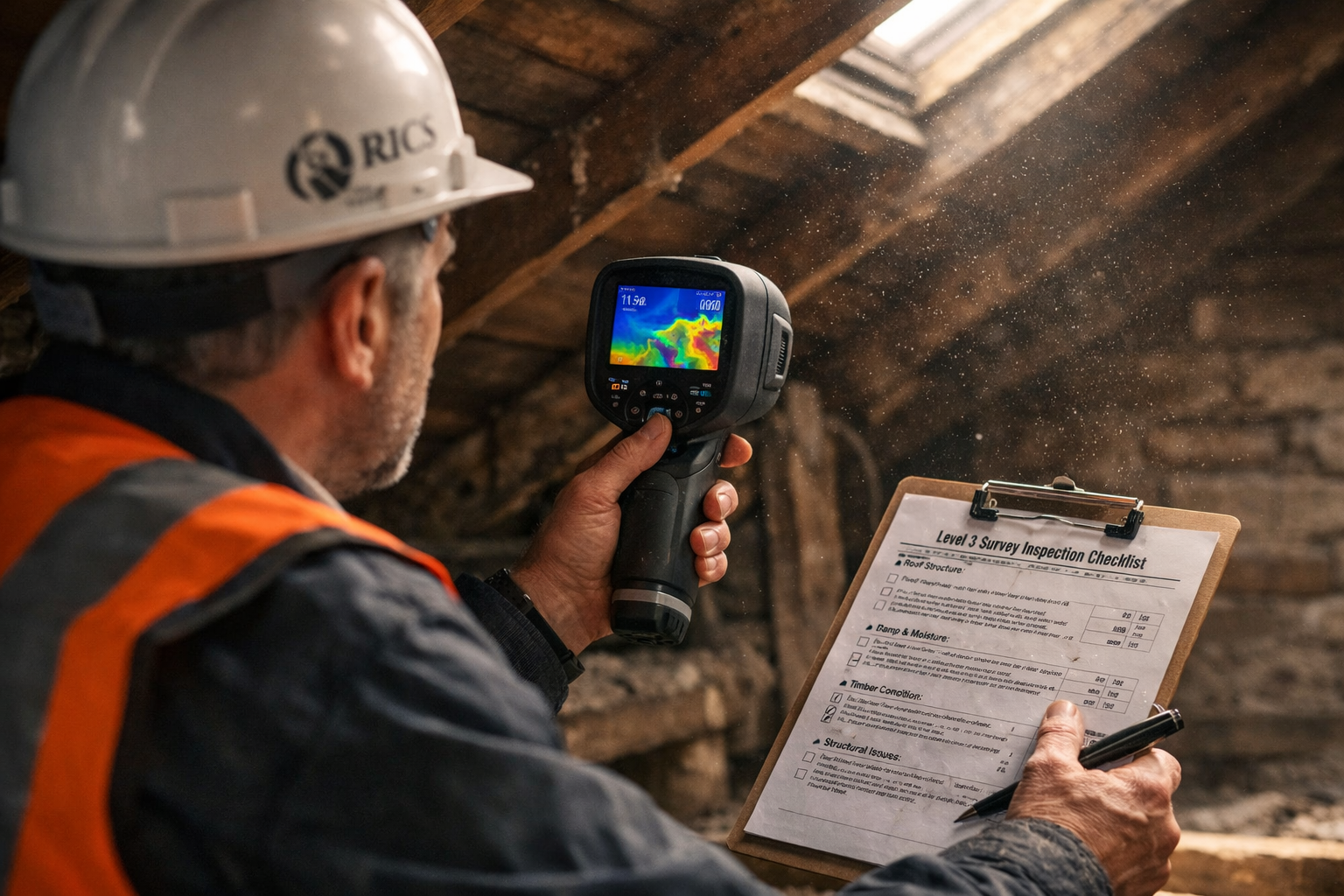
Structural Issues: The Most Costly Hidden Problems
Subsidence and Foundation Movement 🏗️
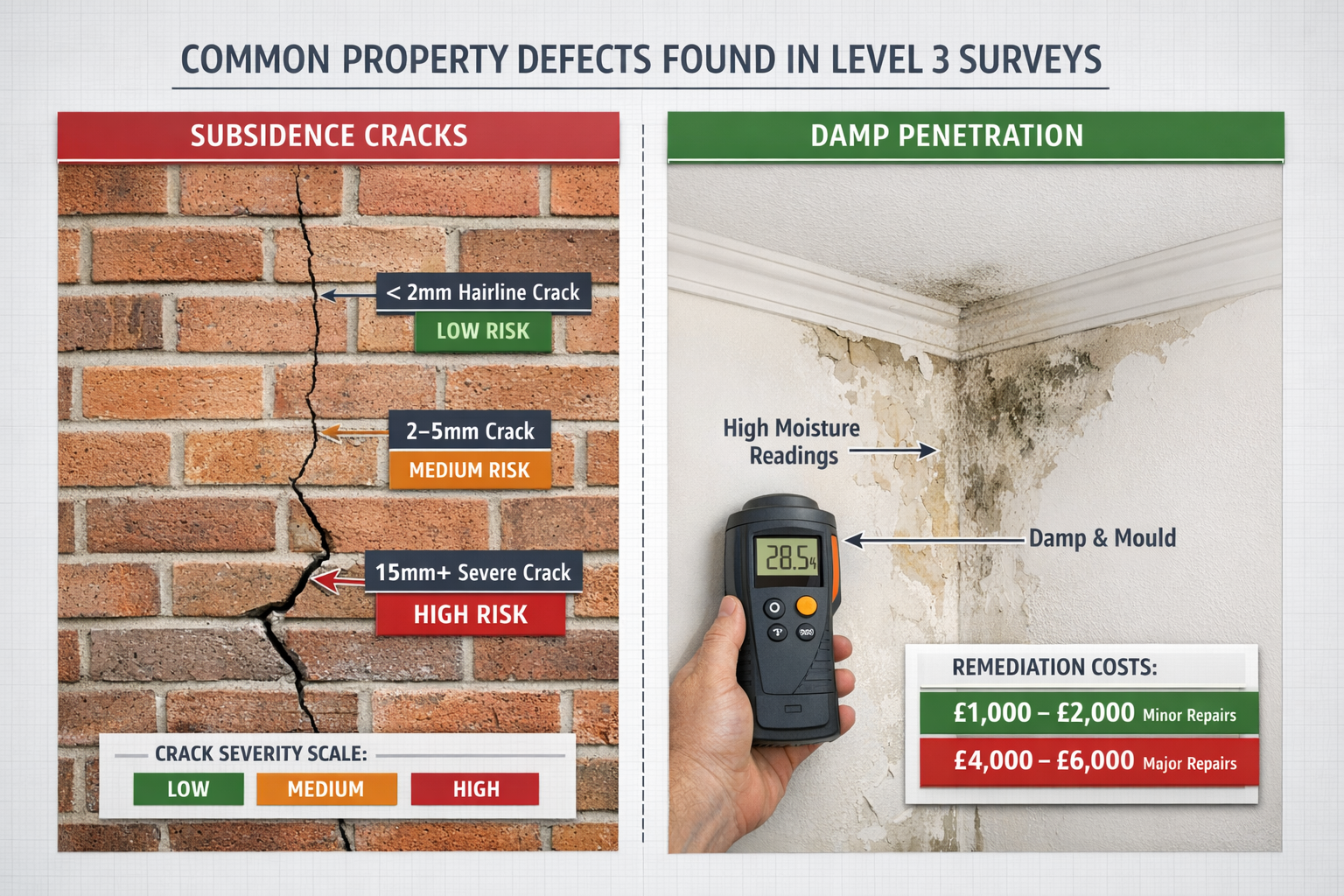
Subsidence remains one of the most expensive property defects, with repair costs typically ranging from £15,000 to £50,000 or more. A comprehensive Level 3 survey examines:
- External crack patterns in brickwork, particularly diagonal cracks wider than 3mm
- Internal wall cracks around door frames, windows, and at wall-ceiling junctions
- Floor level variations indicating differential settlement
- Drainage issues that may contribute to ground movement
- Vegetation proximity with large trees within influencing distance
First-time buyers purchasing properties in clay-soil regions (particularly across Southeast England, parts of the Midlands, and London) face elevated subsidence risks. The surveyor will assess whether cracks represent historic settlement (already stabilised) or active movement requiring immediate intervention.
For more information on subsidence-specific assessments, explore our subsidence surveys service.
Roof Structure Defects 🏠
Roof repairs represent another major expense category, with full re-roofing costs ranging from £5,000-£15,000 for typical terraced properties and significantly more for larger homes. Level 3 surveys thoroughly examine:
- Timber roof trusses and rafters for rot, woodworm, or structural inadequacy
- Roof coverings (tiles, slates) for slippage, damage, or end-of-life condition
- Sarking boards and underlays for deterioration
- Chimney stacks for stability and pointing condition
- Roof valleys and flashings where water ingress commonly occurs
Damp and Water Penetration: The Persistent Threat
Rising Damp vs. Penetrating Damp 💧
Damp issues affect approximately 20-30% of older UK properties. A Level 3 survey uses moisture meters and visual inspection to identify:
| Damp Type | Characteristics | Typical Repair Cost |
|---|---|---|
| Rising Damp | Ground moisture traveling up walls, typically affecting lower 1m of walls | £2,000-£5,000 (DPC installation) |
| Penetrating Damp | External water ingress through walls, roofs, or windows | £1,000-£10,000 (depends on source) |
| Condensation | Internal moisture from inadequate ventilation | £500-£2,000 (ventilation improvements) |
First-time buyers often struggle to distinguish between these damp types. A Level 3 survey provides definitive diagnosis and remediation recommendations, preventing unnecessary expenditure on incorrect treatments.
Hidden Water Damage 🚰
Level 3 surveys investigate areas where water damage commonly hides:
- Bathroom and kitchen subfloors beneath fixtures
- Behind boxing and paneling concealing pipework
- Loft spaces showing roof leak evidence
- External wall cavities with bridged cavity insulation
Electrical and Plumbing Systems: Safety and Functionality
Outdated Electrical Installations ⚡
Properties built or rewired before 2000 often require complete or partial electrical rewiring, costing £3,000-£8,000 for a typical three-bedroom property. Level 3 surveys identify:
- Outdated wiring systems (rubber-insulated, fabric-covered cables)
- Insufficient circuit protection (old fuse boxes vs. modern consumer units)
- Inadequate earthing arrangements
- Dangerous DIY modifications
- Missing RCD protection required by current regulations
Plumbing System Concerns 🔧
Aging plumbing systems present both functionality and safety risks:
- Lead pipes requiring replacement for health compliance (£1,500-£3,000)
- Corroded steel or iron pipes prone to leaks and bursts
- Inadequate water pressure from undersized supply pipes
- Boiler age and condition (replacement costs £2,000-£4,000)
- Central heating system efficiency and radiator condition
Conducting Effective Level 3 Building Surveys for First-Time Buyers in 2026: Spotting Risks Amid Affordability Improvements
Tailoring Survey Approaches to Regional Market Conditions
The 2026 property market exhibits significant regional variation in price growth, transaction volumes, and property conditions. First-time buyers and their surveyors must adapt inspection priorities accordingly:
High-Growth Regional Hotspots 📈
Areas experiencing above-average price growth (3-5%) in 2026—typically including parts of the Northwest, Yorkshire, and Scotland—present specific considerations:
- Increased competition may pressure buyers to make quick decisions
- Properties may be marketed "as seen" with known defects
- Sellers have stronger negotiating positions, making survey findings crucial for price adjustments
- Renovation projects become more common as buyers seek value
In these markets, Level 3 surveys should emphasise cost quantification for identified defects, providing buyers with concrete figures to support renegotiation.
Stabilising and Slower Markets 📉
Regions with flat or minimal price growth (0-2%)—including parts of London, the Southeast, and certain rural areas—offer different dynamics:
- Extended marketing periods give buyers more time for thorough due diligence
- Sellers may be more motivated to address issues or reduce prices
- Properties may have been on the market longer, potentially indicating known problems
- Greater buyer leverage when significant defects are discovered
Here, Level 3 surveys can take a more strategic approach, identifying not just immediate defects but also medium-term maintenance requirements that support aggressive price negotiation.
Critical Survey Elements for First-Time Buyer Protection
Pre-Survey Property Research 🔎
Before the physical inspection, effective surveyors conduct comprehensive background research:
- Planning history searches revealing extensions, conversions, or enforcement notices
- Building control records confirming completion certificates for previous works
- Environmental data including flood risk, radon levels, and ground stability
- Historical mapping showing previous site uses and structures
- Local authority enquiries about nearby developments or road schemes
This research contextualises the physical inspection findings and alerts surveyors to specific areas requiring enhanced scrutiny.
The Inspection Day: Comprehensive Assessment Methodology 📋
A thorough Level 3 survey for first-time buyers follows a systematic approach:
External Inspection (typically 2-3 hours):
- Roof coverings from ground level and closer inspection where safely accessible
- Chimney stacks, parapets, and high-level brickwork
- Rainwater goods (gutters, downpipes) for condition and adequacy
- External walls for cracks, bulging, or pointing deterioration
- Windows and doors for condition, operation, and weather-tightness
- Drainage inspection chambers and gullies
- Boundaries, outbuildings, and hardstanding
Internal Inspection (typically 2-4 hours):
- Roof spaces examining structure, insulation, and water ingress evidence
- All rooms including floors, walls, ceilings, and fitted elements
- Service installations (visible elements of electrical, plumbing, heating)
- Damp meter readings at multiple locations
- Subfloor spaces where accessible via hatches or lifted floorboards
For comparison with less comprehensive options, review our guide on Level 2 vs Level 3 surveys.
Interpreting Survey Reports: Understanding Risk Levels
Level 3 survey reports typically categorise defects using a traffic-light system:
🔴 Condition Rating 3 (Urgent/Serious Defects)
- Require immediate attention or are causing/likely to cause significant damage
- Examples: active subsidence, major roof defects, serious damp penetration
- Action: Consider withdrawal, major price renegotiation, or seller-funded repairs before completion
🟠 Condition Rating 2 (Repairs Needed)
- Defects requiring attention but not immediately urgent
- Examples: minor roof repairs, repointing needs, aging boiler replacement
- Action: Obtain repair quotes, negotiate price reduction, or plan future expenditure
🟢 Condition Rating 1 (No Repair Currently Needed)
- Elements in satisfactory condition requiring only normal maintenance
- Action: Note for future maintenance planning
First-time buyers should focus particularly on cumulative repair costs. A property with numerous Condition Rating 2 defects may require £20,000-£30,000 in repairs over 2-3 years—a significant burden for buyers with limited reserves.
Using Survey Findings for Negotiation and Decision-Making
Price Renegotiation Strategies 💷
Survey findings provide powerful negotiation leverage. Effective approaches include:
- Obtain contractor quotes for major defects to support price reduction requests
- Prioritise urgent repairs in negotiations while accepting minor issues
- Request seller-funded repairs before completion for critical items
- Seek retention arrangements where funds are held back pending repair completion
- Consider walking away if defects exceed acceptable risk levels
In the 2026 market, survey-based renegotiations commonly achieve 5-15% price reductions for properties with significant defects, potentially saving first-time buyers £10,000-£30,000 on typical purchase prices.
Making Informed Go/No-Go Decisions ✅
Not every property with defects should be rejected. First-time buyers should consider:
- Total repair costs vs. available budget and reserves
- Property value relative to local market after repairs
- Personal capability for managing renovation projects
- Timeline requirements and ability to live with ongoing works
- Alternative properties available in the current market
A comprehensive Level 3 building survey guide helps buyers understand what to expect from the process.
Cost-Benefit Analysis: Why Level 3 Surveys Represent Value for First-Time Buyers
Understanding Survey Costs in 2026
Level 3 building survey costs typically range based on property value, size, and location:
| Property Value | Typical Survey Cost | Percentage of Value |
|---|---|---|
| £200,000-£300,000 | £800-£1,200 | 0.4-0.5% |
| £300,000-£400,000 | £1,000-£1,500 | 0.3-0.4% |
| £400,000-£500,000 | £1,200-£1,800 | 0.3-0.4% |
| £500,000+ | £1,500-£2,500+ | 0.3% |
While these costs may seem significant to budget-conscious first-time buyers, they represent a tiny fraction of the purchase price and potential repair costs.
Return on Investment: Real-World Examples
Case Study 1: Victorian Terrace, Northwest England 🏘️
- Purchase price: £240,000
- Level 3 survey cost: £950
- Defects identified: Roof requiring re-covering (£8,500), rising damp treatment (£3,200), rewiring needed (£5,800)
- Outcome: Price renegotiated to £225,000, saving £15,000
- ROI: 1,478% return on survey investment
Case Study 2: 1930s Semi-Detached, Southeast England 🏡
- Purchase price: £425,000
- Level 3 survey cost: £1,400
- Defects identified: Subsidence evidence (£35,000 underpinning required), cavity wall tie failure (£6,000)
- Outcome: Buyer withdrew, avoiding £41,000 in immediate repairs
- ROI: Immeasurable—prevented financial disaster
Case Study 3: Edwardian Conversion Flat, London 🏢
- Purchase price: £380,000
- Level 3 survey cost: £1,150
- Defects identified: Minor issues only (£2,500 total remediation)
- Outcome: Buyer proceeded with confidence, negotiated £3,000 reduction
- ROI: 161% return plus peace of mind
These examples illustrate how building surveys consistently deliver value far exceeding their cost.
Selecting the Right Surveyor for First-Time Buyer Needs in 2026
Essential Qualifications and Experience
When choosing a surveyor to conduct a Level 3 inspection, first-time buyers should verify:
✅ RICS Membership: Ensure the surveyor is a Member or Fellow of the Royal Institution of Chartered Surveyors (MRICS or FRICS), indicating professional qualification and adherence to strict standards.
✅ Relevant Experience: Look for surveyors with specific experience in:
- The property type you're purchasing (Victorian terrace, 1930s semi, etc.)
- The local area and regional building characteristics
- First-time buyer needs and communication style
✅ Professional Indemnity Insurance: Confirm adequate coverage (typically £1-5 million) protecting against potential negligence claims.
✅ Clear Reporting Standards: Request sample reports to assess clarity, detail level, and photographic evidence quality.
Questions to Ask Potential Surveyors
Before commissioning a Level 3 survey, first-time buyers should ask:
- "How long will the inspection take?" (Expect 3-6 hours for thorough Level 3 surveys)
- "What areas will be inaccessible?" (Understanding limitations is crucial)
- "When will I receive the report?" (Typically 5-10 working days)
- "Can I attend the inspection?" (Many surveyors welcome buyer presence)
- "Will you provide repair cost estimates?" (Some include indicative costs)
- "What happens if major defects are found?" (Understanding next steps)
Understanding what surveyors look for during inspections helps first-time buyers prepare appropriate questions.
Red Flags When Choosing Survey Providers
Avoid surveyors who:
- Offer unusually low prices (suggesting rushed or inadequate inspections)
- Cannot provide RICS credentials or professional insurance evidence
- Lack local area knowledge or relevant property type experience
- Provide vague timelines or unclear reporting standards
- Discourage buyer attendance at inspections without good reason
Beyond the Survey: Acting on Findings and Protecting Your Investment
Creating a Post-Purchase Maintenance Plan
A Level 3 survey report shouldn't be filed away after completion—it serves as a valuable maintenance roadmap for years to come. First-time buyers should:
- Prioritise repairs by urgency using the report's condition ratings
- Budget for medium-term works identified as Condition Rating 2
- Schedule regular maintenance for elements nearing end-of-life
- Obtain multiple quotes for significant repair works
- Keep detailed records of all remediation work completed
This proactive approach prevents small issues escalating into major problems and protects long-term property value.
Insurance Considerations Based on Survey Findings
Survey findings may impact insurance:
🏠 Buildings Insurance: Declare all known defects to insurers, particularly:
- Subsidence history or current movement
- Previous flood damage
- Roof condition issues
- Structural alterations without building control approval
💧 Home Emergency Cover: Consider enhanced coverage for properties with:
- Aging boiler or heating systems
- Older plumbing installations
- Drainage concerns
Failure to disclose known defects can invalidate insurance claims, making full transparency essential.
Long-Term Value Protection
Properties purchased with full knowledge of their condition—supported by comprehensive Level 3 surveys—typically perform better as investments because:
- Informed buyers make realistic budgets for ongoing maintenance
- Addressed defects prevent value depreciation
- Documentation supports future sale negotiations
- Planned improvements can be strategically timed for maximum value addition
For first-time buyers planning to remain in properties for 5-10 years, this long-term perspective is crucial for building equity and financial security.
Conclusion: Empowering First-Time Buyers Through Comprehensive Property Assessment
The improved affordability conditions characterising the 2026 property market represent a genuine opportunity for first-time buyers to achieve homeownership. However, Level 3 Building Surveys for First-Time Buyers in 2026: Spotting Risks Amid Affordability Improvements remains an essential protective measure that should never be sacrificed in pursuit of quick completions or upfront cost savings.
The evidence is compelling: comprehensive Level 3 surveys consistently deliver returns far exceeding their cost through price renegotiations, repair cost avoidance, and prevented purchase disasters. For first-time buyers operating with limited financial buffers, this protection is not optional—it's fundamental to successful, sustainable homeownership.
Actionable Next Steps for First-Time Buyers
🎯 Before Making an Offer:
- Research typical defects for your target property type and era
- Budget £800-£2,000 for a comprehensive Level 3 survey
- Identify qualified RICS surveyors with relevant local experience
📋 During the Purchase Process:
- Commission your Level 3 survey immediately after offer acceptance
- Request attendance at the inspection to ask questions
- Review the report thoroughly, seeking clarification on unclear points
💰 After Receiving Survey Findings:
- Obtain contractor quotes for significant defects
- Negotiate price reductions or seller-funded repairs
- Make informed go/no-go decisions based on total cost exposure
🏠 Post-Completion:
- Create a prioritised maintenance schedule from survey recommendations
- Budget for medium-term repairs identified in the report
- Maintain detailed records of all remediation work
The 2026 property market's stabilisation creates ideal conditions for first-time buyers to enter homeownership—but only when armed with complete information about their purchase. A comprehensive Level 3 building survey provides that information, transforming what could be a financial gamble into an informed, confident investment decision.
Don't let improved affordability blind you to property risks. Invest in professional assessment, negotiate from strength, and build your homeownership journey on a foundation of knowledge rather than hope. Your future financial security depends on the decisions you make today.
For expert guidance on your property purchase, explore our comprehensive survey services or contact our team of qualified RICS surveyors today.
