
Landlords and tenants are bracing for a seismic shift in rental property disputes. With the Renters' Rights Act 2026 granting tenants an enforceable right to request pets from May 1, 2026, property damage claims are expected to surge by an estimated 40% within the first year. This legislative change transforms how expert witnesses must approach valuation and condition evidence in Section 8 possession proceedings, requiring unprecedented precision in distinguishing normal wear from pet-related damage.
The intersection of tenant pet rights and property condition assessment creates complex evidentiary challenges that demand specialist knowledge. Expert Witness Roles in Pet-Friendly Rental Disputes Post-Renters' Rights Act 2026: Valuation and Condition Evidence have become critical as landlords can no longer rely on blanket "no pets" clauses, forcing disputes into formal adjudication where professional testimony determines outcomes.

Key Takeaways
- 🏠 New Legal Framework: From May 1, 2026, tenants have a statutory right to request pets, with landlords required to respond within 28 days and justify refusals with specific evidence[1]
- 📊 Expert Evidence Critical: Property condition assessments and valuations now require RICS-qualified professionals to distinguish pet damage from normal wear in tribunal proceedings
- ⚖️ Ombudsman Enforcement: A mandatory Private Rented Sector Landlord Ombudsman will adjudicate unreasonable pet refusals with binding powers, making expert testimony essential[3]
- 💰 Financial Impact: Accurate damage valuation determines deposit deductions, compensation awards, and possession order justifications under Section 8 grounds
- 📋 Documentation Standards: Expert witnesses must follow RICS Red Book guidelines and produce court-compliant reports that withstand cross-examination
Understanding the Renters' Rights Act 2026 Pet Provisions
The Renters' Rights Act 2026 fundamentally restructures the landlord-tenant relationship regarding pet ownership. Previously, landlords could include blanket "no pets" clauses in tenancy agreements without justification. This practice ends on May 1, 2026[1].
Statutory Requirements for Landlords
Under the new framework, landlords must:
Respond within strict timeframes: 28 days from initial pet request, or 7 days after receiving additional information requested from the tenant[1]
Provide written justification: Any refusal must include specific, evidence-based reasoning rather than general concerns
Consider individual circumstances: Each request requires separate assessment based on the specific pet, property characteristics, and lease obligations
Legitimate Grounds for Refusal
Landlords can refuse pet requests based on these specific grounds[1][3]:
- Property unsuitability: Size, layout, or lack of outdoor space genuinely incompatible with the pet species
- Superior lease restrictions: Head lease or freeholder prohibitions (requires documentary evidence)
- Insurance limitations: Insurer refusal to cover pet-related risks (must provide written confirmation)
- Risk assessment: Evidence-based concerns about damage or nuisance specific to the property and pet type
The burden of proof rests with landlords, making expert witness testimony crucial when disputes escalate to the ombudsman or tribunal proceedings.
Expert Witness Roles in Pet-Friendly Rental Disputes Post-Renters' Rights Act 2026: Documentation and Assessment
Property condition experts play multiple roles in the new pet-friendly rental landscape. Their responsibilities extend beyond simple damage assessment to include predictive risk analysis and retrospective causation determination.
Pre-Tenancy Condition Documentation
Professional surveyors conducting schedule of condition reports establish baseline property states before pet occupancy. These reports must:
✅ Photograph all surfaces at risk of pet damage (flooring, doors, skirting boards, walls, fixtures)
✅ Document existing wear patterns to distinguish pre-existing conditions from subsequent pet-related deterioration
✅ Record property specifications including flooring materials, paint types, and fixture quality for accurate replacement valuation
✅ Note structural vulnerabilities such as aging carpets or soft wood that may be more susceptible to pet damage
This baseline documentation becomes critical evidence when disputes arise about whether damage occurred during tenancy or existed previously.
During-Tenancy Inspection Protocols
Periodic inspections during pet-occupied tenancies require heightened scrutiny. Expert witnesses should document:
| Inspection Element | Standard Protocol | Pet-Occupied Enhancement |
|---|---|---|
| Flooring condition | Visual assessment | Close-up photography of scratch patterns, odor testing |
| Wall surfaces | General condition notes | Height-specific damage mapping (pet-accessible areas) |
| Fixtures | Functionality check | Chewing/scratching evidence on wooden elements |
| Outdoor areas | Basic maintenance review | Lawn damage patterns, fence integrity, digging evidence |
| Odor assessment | Not typically included | Professional odor detection and source identification |
These enhanced protocols provide contemporaneous evidence that can support or refute end-of-tenancy damage claims.
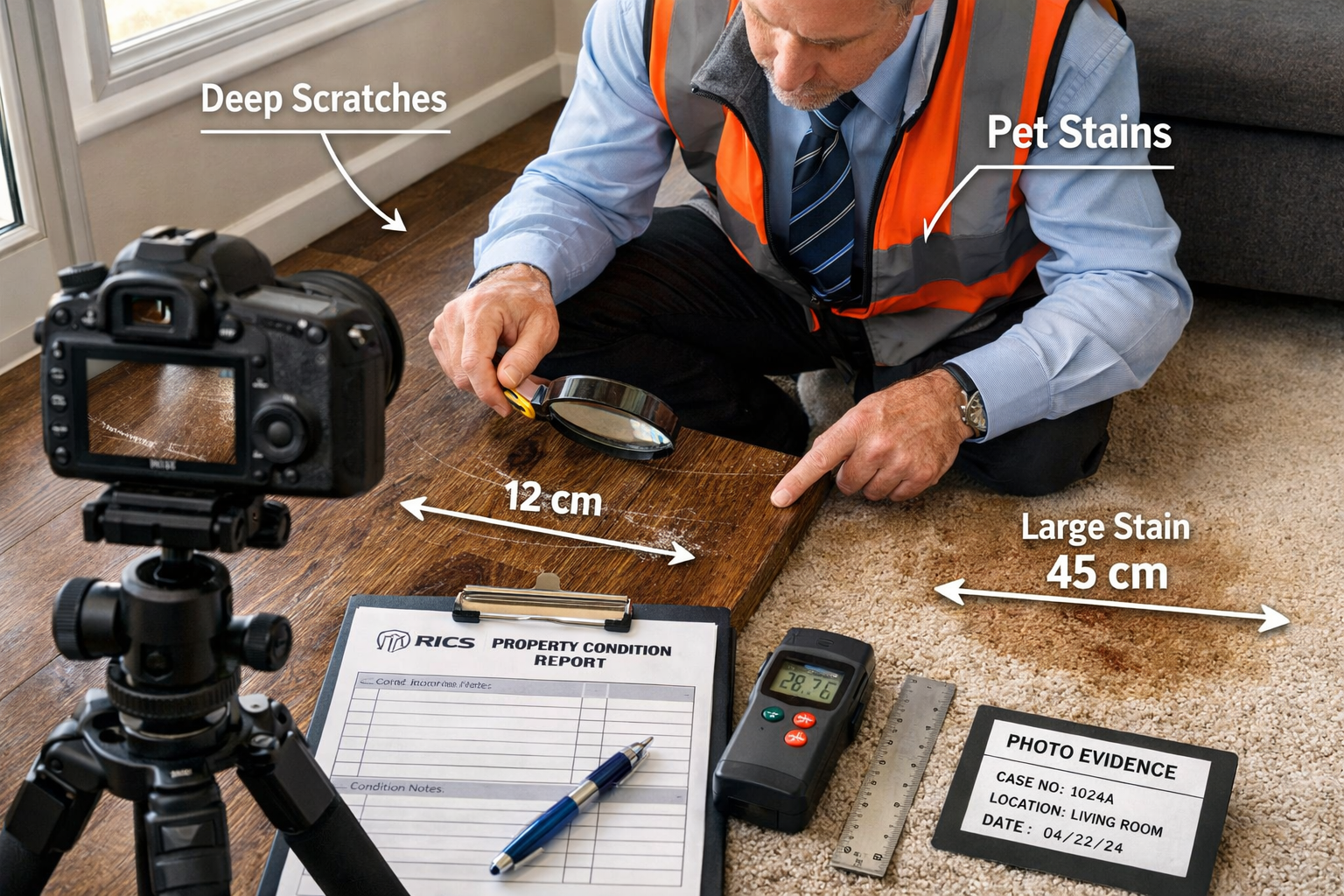
Valuation Evidence Standards for Pet-Related Damage Claims
When tenancies end or possession proceedings commence, expert witnesses must provide precise financial assessments of pet-related damage. These valuations directly impact deposit deductions, compensation awards, and Section 8 possession justifications.
RICS Red Book Compliance
Professional valuations for legal proceedings must comply with RICS Red Book valuation standards. This ensures:
- Independence and objectivity: Expert witnesses must have no financial interest in the outcome
- Competence verification: Only appropriately qualified surveyors with relevant experience should provide evidence
- Transparent methodology: All assumptions, limitations, and calculation methods must be clearly stated
- Evidence-based conclusions: Opinions must be supported by comparable data and industry standards
Distinguishing Pet Damage from Normal Wear
The most contentious issue in pet-related disputes involves separating legitimate damage from expected deterioration. Expert witnesses must apply these principles:
Normal Wear and Tear (Not Chargeable):
- Minor carpet flattening in high-traffic areas
- Light scratching on hard floors consistent with general use
- Fading or minor marking on walls at pet height
- Gradual deterioration proportionate to tenancy length
Pet-Related Damage (Potentially Chargeable):
- Deep scratches or gouges in flooring beyond surface level
- Urine staining with permanent odor penetration
- Chewed skirting boards, door frames, or fixtures
- Excessive wear disproportionate to tenancy duration
Expert witnesses must reference industry standards for expected lifespan and depreciation. A carpet with a 10-year expected life in a property occupied for 2 years with a pet would typically show 20% depreciation from normal wear, with additional deterioration attributed to pet damage requiring specific justification.
Calculating Repair and Replacement Costs
Financial evidence must reflect actual market costs and account for betterment. The calculation framework includes:
Repair Cost Assessment:
- Obtain contractor quotations for specific remedial works
- Separate repair costs (chargeable) from improvement costs (not chargeable)
- Apply depreciation based on item age and expected lifespan
- Document all cost assumptions and sources
Replacement Valuation:
- Like-for-like replacement principle (not upgrade to superior materials)
- Current market rates for comparable materials and workmanship
- Proportionate deduction for pre-existing condition
- Regional cost variations properly accounted
For example, replacing pet-damaged laminate flooring installed 5 years ago in a property:
💷 New flooring cost: £2,000
💷 Expected lifespan: 15 years
💷 Depreciation: (5/15) × £2,000 = £667
💷 Chargeable amount: £2,000 – £667 = £1,333
This methodology ensures tenants don't pay for betterment while landlords receive fair compensation for genuine damage.
Expert Witness Testimony in Ombudsman and Tribunal Proceedings
The mandatory Private Rented Sector Landlord Ombudsman, expected to gain full enforcement powers in late 2026 or 2027[3], will adjudicate disputes about unreasonably refused pet requests and related damage claims. Expert witnesses must prepare for formal testimony.
Report Preparation Requirements
Expert witness reports for ombudsman or tribunal proceedings must follow strict protocols:
📋 Statement of Truth: Declaration that the expert understands their duty to the tribunal supersedes any obligation to the instructing party
📋 Qualifications and Experience: Detailed CV demonstrating relevant expertise in property valuation and condition assessment
📋 Inspection Methodology: Complete description of inspection process, tools used, and limitations encountered
📋 Photographic Evidence: Comprehensive, time-stamped images with clear annotations identifying specific damage
📋 Comparable Evidence: Reference to similar cases, industry standards, and market data supporting conclusions
📋 Clear Conclusions: Unambiguous opinions on damage causation, repair costs, and reasonableness of claims
The report should anticipate counterarguments and address alternative interpretations of evidence proactively.
Cross-Examination Preparation
Expert witnesses face rigorous questioning from opposing parties. Preparation should include:
Technical Knowledge Verification: Be prepared to explain RICS standards, valuation methodologies, and industry practices in accessible language
Evidence Defense: Have supporting documentation immediately available for all factual claims and cost calculations
Alternative Scenario Analysis: Consider how different assumptions might affect conclusions and be ready to discuss these variations
Professional Demeanor: Maintain objectivity and avoid advocacy for either party, focusing solely on technical evidence
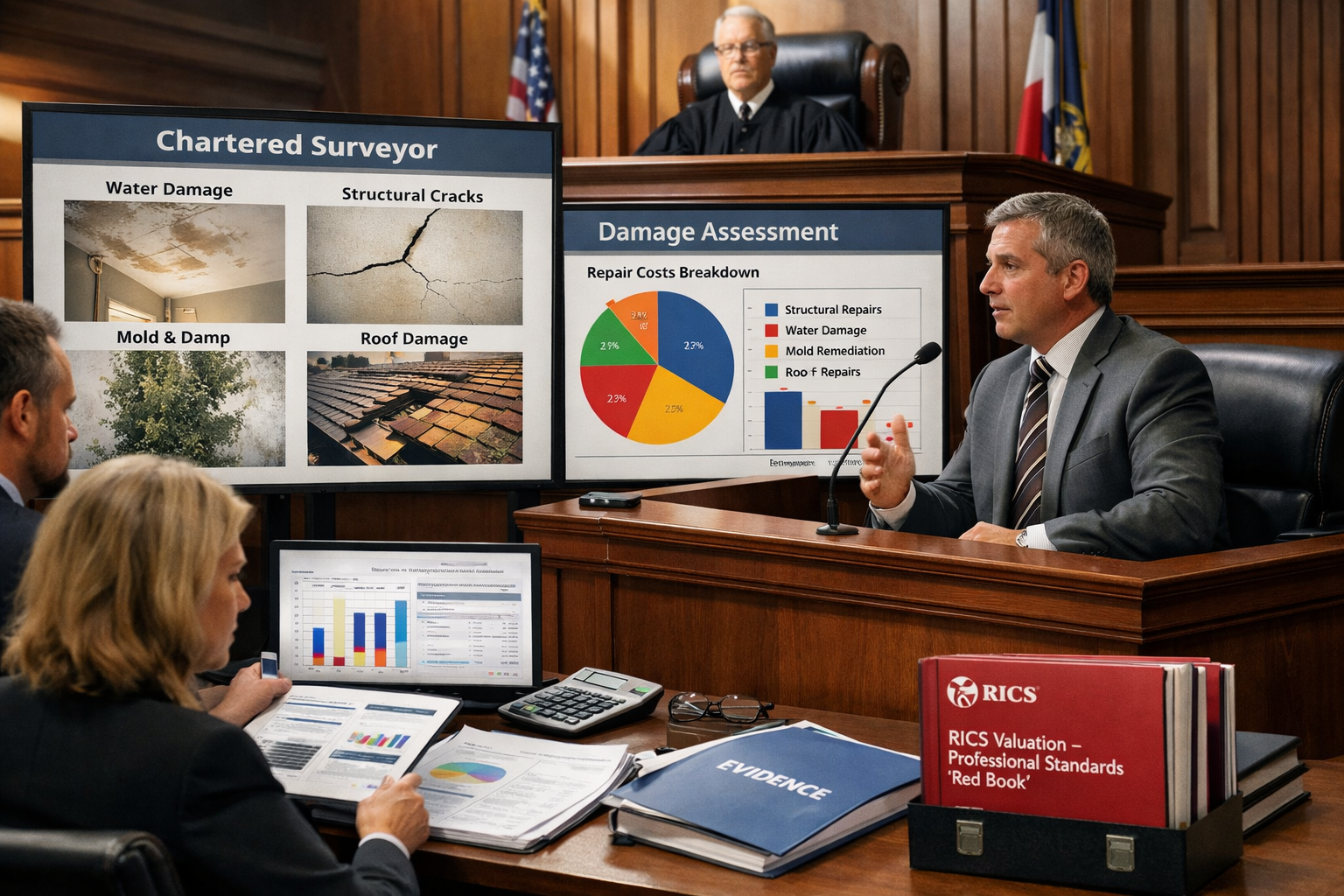
Strong expert testimony can determine case outcomes, particularly in marginal situations where damage causation remains ambiguous.
Practical Guidance for Landlords and Property Managers
Property owners can minimize disputes and strengthen their position in potential proceedings through proactive measures.
Pre-Tenancy Risk Assessment
Before responding to pet requests, landlords should commission professional assessments evaluating:
- Property vulnerability: Flooring type, fixture quality, and structural elements susceptible to pet damage
- Insurance implications: Confirmation of coverage limitations and premium impacts
- Lease restrictions: Documentary evidence of superior lease prohibitions if applicable
- Comparable evidence: Data on pet-related damage claims in similar properties
This professional assessment provides defensible evidence if refusing a pet request or justifying higher deposits (where permitted).
Implementing Robust Documentation Systems
Systematic documentation protects landlords in subsequent disputes:
- Professional condition surveys at tenancy commencement using RICS-qualified surveyors
- Scheduled interim inspections with photographic evidence and tenant acknowledgment
- Contemporaneous damage reporting when issues arise during tenancy
- Professional end-of-tenancy assessments comparing final condition to baseline documentation
These records create an evidence trail that expert witnesses can reference when preparing tribunal reports.
Pet-Specific Tenancy Provisions
While blanket bans are prohibited, landlords can implement reasonable pet-specific terms:
✔️ Professional cleaning requirements at tenancy end, including carpet deep cleaning and odor treatment
✔️ Additional inspection provisions allowing more frequent property condition checks
✔️ Damage liability clauses clearly specifying tenant responsibility for pet-related deterioration beyond normal wear
✔️ Third-party insurance requirements obligating tenants to maintain pet liability coverage
These provisions must be reasonable and proportionate to be enforceable, and expert witnesses may be asked to opine on their reasonableness.
Emerging Challenges and Future Developments
The implementation of pet-friendly rental provisions creates evolving challenges for expert witnesses and property professionals.
Standardization of Pet Damage Assessment
Currently, no industry-wide standard exists for distinguishing pet damage from normal wear. Professional bodies including RICS are developing guidance frameworks expected in late 2026. These standards will likely address:
- Photographic evidence requirements and annotation protocols
- Odor assessment methodologies and acceptable testing equipment
- Depreciation schedules for common materials in pet-occupied properties
- Comparable evidence databases for damage valuation
Expert witnesses should actively engage with these developing standards to ensure their methodologies align with emerging best practices.
Insurance Industry Adaptation
Insurers are recalibrating risk models for pet-occupied rental properties. This affects expert witness roles in several ways:
Premium justification: Landlords claiming insurance limitations as grounds for pet refusal must provide actuarial evidence, which expert witnesses may need to evaluate
Damage assessment protocols: Insurers increasingly require professional condition reports before processing pet-related damage claims
Subrogation proceedings: When insurers compensate landlords for pet damage, they may pursue tenants for recovery, requiring expert testimony on damage causation and valuation
The intersection of insurance requirements and legal proceedings creates additional complexity for property condition experts.
Technology Integration
Advanced assessment technologies are transforming expert witness capabilities:
🔬 Odor detection equipment: Electronic sensors providing objective measurements of urine contamination levels
📱 3D property scanning: Creating detailed baseline records and damage comparison models
🤖 AI damage analysis: Machine learning algorithms identifying and categorizing damage patterns
💻 Blockchain documentation: Immutable records of property condition preventing evidence tampering
Expert witnesses incorporating these technologies strengthen their evidence credibility, though tribunals may require validation of new methodologies.
Guidance for Tenants Requesting Pet Permission
Tenants can improve approval prospects and minimize dispute risks through strategic approaches.
Strengthening Pet Request Applications
When submitting pet requests under the new statutory framework, tenants should provide:
📄 Veterinary references: Documentation of the pet's temperament, training, and health status
📄 Previous landlord testimonials: Evidence of responsible pet ownership in prior tenancies with professional references
📄 Pet insurance documentation: Proof of comprehensive pet liability coverage
📄 Professional pet care plans: Detailed descriptions of exercise routines, supervision arrangements, and damage prevention measures
This proactive evidence reduces landlord concerns and demonstrates responsibility, making unreasonable refusals easier to challenge.
Protecting Against Unfair Damage Claims
Tenants can minimize end-of-tenancy disputes by:
- Commissioning independent condition surveys at tenancy commencement, even if landlords don't provide them
- Documenting pre-existing damage with time-stamped photographs and written notifications to landlords
- Maintaining contemporaneous records of property maintenance and pet care throughout tenancy
- Arranging professional cleaning before final inspection to address odor and cleanliness concerns
When disputes arise, tenants should engage their own expert witnesses to provide independent assessments challenging landlord claims.
Selecting Qualified Expert Witnesses for Pet Damage Disputes
Both landlords and tenants benefit from understanding how to identify appropriately qualified experts for their cases.
Essential Qualifications and Experience
Expert witnesses in pet-related rental disputes should possess:
✅ RICS qualification: Chartered status demonstrating professional competence in property valuation and assessment
✅ Relevant specialization: Experience in residential property condition surveys and dilapidation assessments
✅ Expert witness training: Formal instruction in legal evidence standards and tribunal procedures
✅ Pet damage expertise: Specific experience assessing animal-related property deterioration
✅ Local market knowledge: Familiarity with regional repair costs and property standards
✅ Professional indemnity insurance: Adequate coverage for expert witness activities
Red Flags When Selecting Experts
Avoid experts who:
❌ Have financial relationships with the instructing party beyond the specific case
❌ Lack formal qualifications or professional body membership
❌ Show advocacy for one party rather than objective analysis
❌ Cannot provide examples of previous tribunal testimony
❌ Offer opinions outside their area of expertise
❌ Refuse to consider alternative interpretations of evidence
The credibility of expert testimony significantly impacts case outcomes, making expert selection a critical strategic decision.
Cost Considerations for Expert Witness Services
Understanding the financial implications of engaging expert witnesses helps parties budget appropriately for disputes.
Typical Fee Structures
Expert witness costs for pet-related rental disputes typically include:
| Service Component | Typical Cost Range | Factors Affecting Price |
|---|---|---|
| Property inspection | £300-£800 | Property size, location, complexity |
| Detailed condition report | £500-£1,500 | Evidence volume, photographic requirements |
| Damage valuation assessment | £400-£1,200 | Number of items, research required |
| Expert witness report | £800-£2,500 | Case complexity, evidence analysis depth |
| Tribunal attendance | £1,000-£3,000/day | Expert seniority, preparation time |
| Follow-up questions/amendments | £150-£300/hour | Extent of additional work |
Total costs for comprehensive expert witness services in contested pet damage cases typically range from £2,500 to £8,000, depending on complexity.
For guidance on general valuation costs, property owners can reference professional fee schedules.
Cost Recovery Considerations
In ombudsman and tribunal proceedings, cost recovery depends on case outcomes:
Successful landlords may recover expert witness costs from tenants if damage claims are upheld and deemed reasonable
Successful tenants may receive compensation including reimbursement of expert witness fees if landlord claims are found unreasonable or exaggerated
Partial success scenarios often result in proportionate cost allocation based on which party prevailed on specific issues
The potential for cost recovery should factor into decisions about whether to engage expert witnesses and at what stage of dispute resolution.
Conclusion
The Renters' Rights Act 2026 fundamentally transforms pet-related rental disputes, creating unprecedented demand for professional expert witness services in property valuation and condition assessment. As tenants gain statutory rights to request pets from May 1, 2026, the ability to distinguish normal wear from pet-related damage becomes critical for fair dispute resolution.
Expert Witness Roles in Pet-Friendly Rental Disputes Post-Renters' Rights Act 2026: Valuation and Condition Evidence require rigorous adherence to RICS standards, comprehensive documentation protocols, and sophisticated understanding of both property science and legal evidence requirements. The mandatory ombudsman system and enhanced enforcement mechanisms mean expert testimony will increasingly determine outcomes in contested cases.
Actionable Next Steps
For Landlords:
- Commission professional condition surveys before May 1, 2026, to establish baseline property states
- Review insurance policies and obtain written confirmation of pet-related coverage limitations
- Develop evidence-based pet request assessment protocols with professional guidance
- Establish relationships with qualified expert witnesses before disputes arise
For Tenants:
- Document property condition thoroughly at tenancy commencement with independent surveys
- Maintain comprehensive records of pet care, property maintenance, and landlord communications
- Understand your statutory rights under the new framework and grounds for challenging unreasonable refusals
- Seek professional advice promptly when disputes emerge rather than allowing positions to harden
For Property Professionals:
- Pursue specialized training in pet damage assessment and expert witness procedures
- Stay current with emerging RICS guidance on pet-occupied property standards
- Invest in advanced assessment technologies to enhance evidence quality
- Build expertise in tribunal procedures and cross-examination preparation
The intersection of enhanced tenant rights and property protection creates complex challenges requiring professional expertise. Those who invest in proper documentation, qualified expert witnesses, and evidence-based approaches will navigate this new landscape successfully, while those relying on outdated practices face increased dispute risks and adverse outcomes.
The transformation of rental property relationships around pet ownership represents one of the most significant regulatory changes in the sector's recent history. Success in this environment demands professional expertise, rigorous evidence standards, and commitment to fair, objective assessment of competing interests.
References
[1] Renting To Pet Owners Landlord Responsibilities Under The Renters Rights Act 2025 – https://www.nicholashumphreys.com/guides/landlords/renting-to-pet-owners-landlord-responsibilities-under-the-renters-rights-act-2025/
[3] Renting With Pets – https://rentalbux.com/blogs/renting-with-pets
