
Northern England is experiencing an unprecedented construction renaissance. From Manchester's gleaming commercial towers to Liverpool's waterfront regeneration and Leeds' expanding business districts, the region is witnessing investment levels not seen in decades. This infrastructure boom brings tremendous opportunity—but also complex challenges for property owners navigating party wall agreements amid rapid development. Understanding Party Wall Surveys for Northern England's Infrastructure Boom: Managing Agreements Amid Regional Growth has become essential for developers, homeowners, and institutional investors alike.
The surge in construction activity across Northern Ireland, Scotland, and North West England reflects broader economic trends, with firmer price patterns and institutional capital flowing into regional projects. As the UK pursues ambitious infrastructure goals—including 100GW of generating capacity, major transport extensions, and 1.5 million new homes[3]—Northern England sits at the epicenter of this transformation. Property owners must now navigate party wall legislation amid unprecedented development density, where construction on one site frequently impacts neighboring properties.
Key Takeaways
- Northern England's infrastructure boom is driving unprecedented construction density, making party wall compliance essential for developers and property owners
- Institutional investment surge in Manchester, Leeds, Liverpool, and Newcastle requires sophisticated party wall management across multiple adjacent projects
- Regional growth patterns demand proactive party wall surveys to prevent costly disputes and project delays
- Complex infrastructure projects including transport, energy, and housing developments create unique party wall challenges requiring specialist expertise
- Early engagement with qualified party wall surveyors protects property rights and ensures smooth project progression in high-density development zones
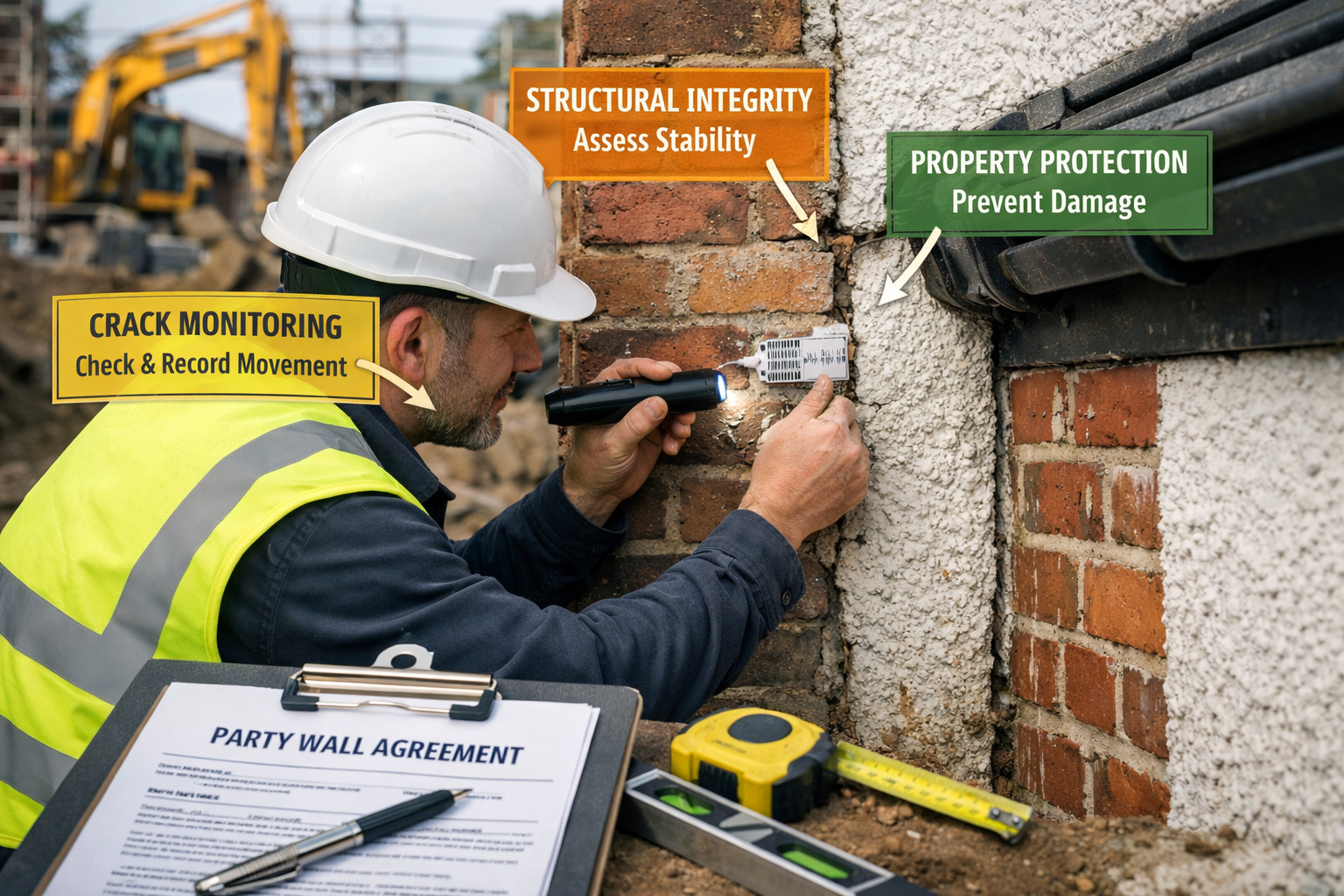
Understanding Party Wall Surveys for Northern England's Infrastructure Boom
The Scale of Northern England's Development Surge
Northern England's construction landscape has transformed dramatically in 2026. The region now accounts for a significant portion of the UK's infrastructure investment, with major projects spanning:
- Transport Infrastructure: Extensions to rail networks, road improvements, and urban transit systems
- Energy Projects: Renewable energy installations, grid upgrades, and distribution network enhancements[3]
- Residential Development: Thousands of new homes contributing to the national target of 1.5 million additional properties[3]
- Commercial Construction: Office buildings, data centers, and mixed-use developments
- Public Infrastructure: Schools, hospitals, and community facilities
This development density creates inevitable property boundary interactions. When construction work affects shared walls, foundations, or structures, the Party Wall etc. Act 1996 provides the legal framework for managing these relationships. Understanding when you need a party wall agreement becomes crucial as development intensifies.
Regional Investment Patterns Driving Party Wall Activity
Northern Ireland, Scotland, and North West England are experiencing particularly strong institutional investment flows. Property developers, infrastructure funds, and commercial investors recognize the region's growth potential, leading to:
✅ Multiple simultaneous projects in concentrated urban areas
✅ Higher-density development maximizing land use efficiency
✅ Mixed-use schemes combining residential, commercial, and retail spaces
✅ Regeneration initiatives transforming former industrial sites
Each of these trends increases the likelihood of party wall scenarios. A single city block might host three or four concurrent construction projects, each potentially affecting neighboring properties through excavation, structural alterations, or foundation work.
What Makes Northern England's Party Wall Challenges Unique
The infrastructure boom in Northern England presents distinct party wall considerations:
Victorian and Industrial Heritage: Many Northern cities feature terraced housing and converted industrial buildings with complex shared structures. These older properties often have undocumented alterations and unclear boundary definitions, complicating party wall surveys.
Rapid Development Pace: The speed of regional growth means multiple projects proceed simultaneously. Property owners may receive party wall notices from several neighboring developments within months, requiring coordinated responses.
Infrastructure Integration: Major projects like transport upgrades and energy installations[3] create party wall implications beyond typical residential scenarios. Understanding the party wall process helps stakeholders navigate these complex situations.
Institutional Scale: Large-scale developers and institutional investors bring sophisticated project management but also higher stakes. Party wall disputes can delay multi-million-pound projects, making professional surveyor engagement essential.
Managing Party Wall Agreements Amid Regional Growth

Essential Steps for Property Owners in High-Growth Areas
Property owners in Northern England's development hotspots should adopt proactive party wall strategies:
1. Early Awareness and Documentation 📋
Before development intensifies in your area, document your property's current condition thoroughly. Photograph walls, ceilings, floors, and external structures. This baseline evidence proves invaluable if neighboring construction causes damage.
2. Prompt Response to Party Wall Notices
When you receive a party wall notice, respond within 14 days. Silence constitutes dissent under the Act, triggering the appointment of surveyors. Even if you consent to the work, formal acknowledgment protects your interests.
3. Appointing Qualified Surveyors
Selecting an experienced party wall surveyor is critical. Finding a reliable party wall surveyor near you ensures professional representation throughout the process. Look for surveyors with:
- RICS (Royal Institution of Chartered Surveyors) accreditation
- Specific experience in Northern England's property types
- Understanding of regional development patterns
- Track record managing complex infrastructure projects
4. Understanding Cost Implications
The building owner typically bears party wall survey costs, but understanding potential expenses helps property owners budget appropriately. Party wall agreement costs vary based on project complexity, but transparency from the outset prevents disputes.
Developer Responsibilities in Dense Development Zones
For developers driving Northern England's infrastructure boom, party wall compliance represents both legal obligation and reputational imperative:
Strategic Planning Phase
Identify potential party wall implications during site acquisition and planning. Properties with multiple shared boundaries require additional time and budget allocation for party wall procedures.
Comprehensive Notification Programs
Large developments may affect dozens of neighboring properties. Systematic notification programs ensure compliance while maintaining community relations. Writing effective party wall letters sets the right tone for neighbor engagement.
Professional Surveyor Engagement
Appointing experienced party wall surveyors early streamlines the process. Surveyors can advise on construction methodologies that minimize neighbor impact, potentially avoiding disputes before they arise.
Condition Surveys and Monitoring
Pre-construction condition surveys document neighboring properties' existing state. During construction, monitoring programs detect potential damage early, allowing prompt remediation. This proactive approach prevents minor issues escalating into costly party wall disputes.
Infrastructure-Specific Party Wall Considerations
Northern England's infrastructure boom includes projects beyond typical residential development, each with unique party wall dimensions:
Transport Projects 🚆
Major transport infrastructure extending into the mid-2030s[3] may affect properties through vibration, excavation, or structural modifications. Transport authorities must navigate party wall obligations across extensive project corridors, coordinating with numerous property owners simultaneously.
Energy Infrastructure ⚡
The UK's energy transformation includes 100GW of generating capacity and network reconfiguration[3]. Substation installations, cable routes, and grid upgrades frequently cross property boundaries, requiring careful party wall management. EV infrastructure retrofits in existing buildings add another layer of party wall considerations[1].
Data Centers and Technology Infrastructure 💻
AI-driven demand for data centers creates unique party wall challenges[2]. These facilities require substantial foundations, cooling systems, and electrical infrastructure that may impact neighboring properties. The specialized nature of data centre party wall agreements demands surveyors with technical understanding beyond traditional residential expertise[2].
Mixed-Use and Regeneration Schemes
Urban regeneration projects combining residential, commercial, and public spaces create complex party wall scenarios. A single development might involve multiple party walls, varying ownership structures, and phased construction timelines requiring sophisticated coordination.
Regional Variations and City-Specific Considerations
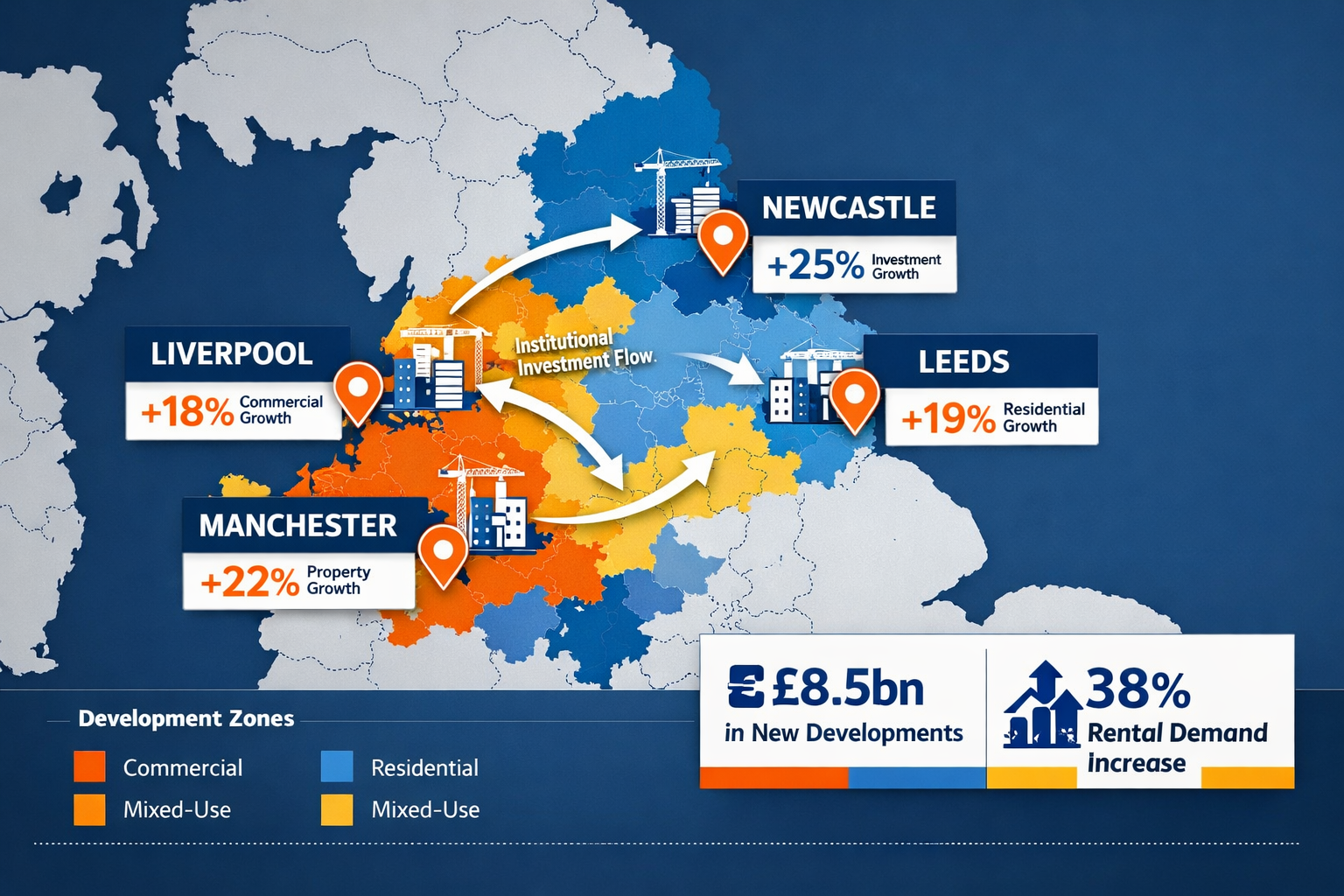
Manchester's Renewal Projects and Party Wall Implications
Manchester leads Northern England's infrastructure boom, with extensive city center regeneration and suburban expansion. The density of development in areas like Spinningfields, Ancoats, and the Oxford Road Corridor creates concentrated party wall activity.
Manchester's Victorian industrial heritage means many buildings share complex structural relationships. Former warehouses converted to apartments, terraced housing in inner suburbs, and historic commercial buildings all present unique party wall challenges. Party wall surveys for Manchester renewal projects require surveyors familiar with these property types[4].
Key Manchester Considerations:
- Conversion Projects: Industrial-to-residential conversions often uncover unexpected shared structures
- High-Rise Development: New tower construction requires deep excavations affecting neighboring foundations
- Infrastructure Integration: Metrolink extensions and road improvements create party wall obligations for transport authorities
- Heritage Constraints: Listed buildings require specialized approaches balancing conservation with party wall compliance
Leeds and Yorkshire Development Patterns
Leeds' financial and professional services growth drives substantial commercial construction. The South Bank regeneration, city center office developments, and expanding residential suburbs create diverse party wall scenarios.
Yorkshire's property stock includes substantial stone-built Victorian terraces and former mill buildings. These robust structures often have load-bearing party walls requiring careful assessment before adjacent construction proceeds.
Liverpool's Waterfront and Urban Regeneration
Liverpool's waterfront regeneration and city center transformation combine heritage preservation with modern development. The UNESCO World Heritage status of parts of the city adds complexity to party wall procedures, where works must respect historic fabric while enabling growth.
Newcastle and North East Growth Zones
Newcastle's technology sector growth and Quayside regeneration drive construction activity. The city's topography, with significant level changes, creates unique foundation and excavation challenges requiring specialized party wall consideration.
Regional Best Practices for Party Wall Management
Across Northern England, successful party wall management during the infrastructure boom follows consistent principles:
Community Engagement 🤝
Developers who invest in community relations before formal party wall notices create smoother processes. Information sessions, project websites, and accessible contact points build trust and reduce adversarial responses.
Technical Excellence
Engaging qualified professionals—from RICS party wall surveyors to structural engineers—ensures technically sound party wall awards that protect all parties' interests.
Transparent Communication
Clear, jargon-free communication helps property owners understand their rights and obligations. Understanding what party wall surveyors do empowers stakeholders to engage effectively with the process.
Dispute Prevention
Proactive approaches prevent disputes rather than managing them reactively. Pre-emptive condition surveys, regular communication, and responsive damage remediation maintain neighbor relationships throughout construction.
Documentation Standards
Comprehensive documentation—from initial notices through final party wall awards—creates clear records protecting all parties. Digital systems enable efficient management of multiple concurrent party wall procedures.
Cost Considerations and Financial Planning
Budgeting for Party Wall Compliance
Party wall costs represent a necessary component of development budgets in Northern England's high-growth areas. Typical expenses include:
| Cost Component | Typical Range | Notes |
|---|---|---|
| Building Owner's Surveyor | £700-£2,000+ | Varies with project complexity |
| Adjoining Owner's Surveyor | £700-£2,000+ | Building owner typically pays |
| Party Wall Award Preparation | Included | Part of surveyor fees |
| Condition Surveys | £300-£800 per property | Essential baseline documentation |
| Dispute Resolution | £2,000-£10,000+ | If disputes escalate |
Party wall surveyor costs increase with project scale and complexity. Large infrastructure projects affecting numerous properties require substantial budget allocation for party wall compliance.
Cost-Benefit Analysis of Professional Engagement
While party wall surveyor fees represent upfront costs, professional engagement delivers substantial value:
✅ Dispute Prevention: Professional surveyors prevent costly disputes that delay projects
✅ Technical Accuracy: Properly drafted awards avoid ambiguities causing later conflicts
✅ Legal Compliance: Full compliance protects against enforcement actions and injunctions
✅ Relationship Management: Professional mediation maintains neighbor relationships
✅ Time Efficiency: Experienced surveyors expedite processes, reducing project delays
For major infrastructure projects, party wall costs represent a small fraction of overall budgets but deliver disproportionate risk mitigation value.
Legal Framework and Compliance Requirements
The Party Wall etc. Act 1996 in Practice
The Party Wall etc. Act 1996 provides the statutory framework governing party wall procedures throughout England and Wales. Understanding its application in Northern England's infrastructure boom requires recognizing three key notice types:
Party Structure Notice: Required when building on or near a party wall, cutting into a party wall, or demolishing and rebuilding a party wall.
Line of Junction Notice: Necessary when building a new wall on the boundary line between properties.
Adjacent Excavation Notice: Required when excavating within three or six meters of a neighboring building's foundations (depending on depth).
Understanding party structure notices helps property owners recognize when formal procedures apply.
Enforcement and Consequences of Non-Compliance
Failure to follow party wall procedures carries significant consequences:
⚠️ Injunctions: Adjoining owners can obtain court injunctions halting non-compliant work
⚠️ Damages: Building owners remain liable for damage caused by non-compliant work
⚠️ Costs: Retrospective compliance procedures typically cost substantially more than proactive approaches
⚠️ Delays: Project delays from disputes and enforcement actions far exceed time required for proper procedures
⚠️ Reputational Impact: Non-compliance damages developer reputations, affecting future projects
In Northern England's competitive development environment, reputation matters. Developers known for party wall compliance find smoother community acceptance for future projects.
Emerging Legal Considerations
The infrastructure boom creates evolving party wall legal questions:
Multiple Concurrent Projects: When several developments affect a property simultaneously, coordinating party wall procedures requires careful legal and practical management.
Infrastructure Authority Powers: Major infrastructure projects may involve compulsory purchase and statutory authority powers intersecting with party wall obligations.
Technology and Innovation: New construction techniques, from modular building to advanced foundation systems, require party wall frameworks adapting to technological change.
Environmental and Sustainability Requirements: Net-zero mandates and environmental regulations add layers of compliance alongside party wall obligations[1].
Practical Guidance for Stakeholders
For Homeowners in Development Zones
If you own property in Northern England's high-growth areas:
Stay Informed 📰
Monitor local planning applications and development proposals. Early awareness of potential projects helps you prepare for party wall implications.
Know Your Rights
Understand that party wall legislation protects your interests. You have rights to appoint surveyors, receive condition surveys, and claim compensation for damage.
Respond Promptly
When receiving party wall notices, respond within statutory timeframes. Seek professional advice if uncertain about appropriate responses.
Document Everything
Maintain comprehensive records of all party wall communications, condition surveys, and agreements. These documents prove invaluable if disputes arise.
Consider Professional Representation
Even if managing party wall agreements without a surveyor is possible for simple cases, complex infrastructure projects warrant professional representation.
For Developers and Contractors
Developers driving Northern England's infrastructure boom should:
Integrate Party Wall Planning
Incorporate party wall procedures into project timelines from the outset. Allow adequate time for notice periods, surveyor appointments, and award preparation.
Budget Appropriately
Allocate realistic budgets for party wall compliance, including surveyor fees, condition surveys, and potential remediation costs.
Engage Specialists Early
Appoint experienced party wall surveyors during planning stages. Early engagement identifies potential challenges and informs design decisions.
Maintain Communication
Establish clear communication channels with neighboring property owners. Regular updates and responsive engagement prevent misunderstandings escalating into disputes.
Implement Monitoring Systems
Deploy vibration monitoring, crack monitoring, and regular inspections during construction. Early detection of potential damage enables prompt remediation.
For Institutional Investors
Institutional capital flowing into Northern England's property market should consider:
Due Diligence
Incorporate party wall risk assessment into investment due diligence. Properties with multiple shared boundaries or adjacent development sites carry higher party wall exposure.
Portfolio Management
For portfolios spanning multiple Northern England properties, systematic party wall management systems ensure consistent compliance across assets.
Reputational Considerations
Institutional investors' reputations depend on responsible development practices. Robust party wall compliance demonstrates commitment to community relationships.
Long-Term Value Protection
Proper party wall management protects long-term asset values by preventing disputes, maintaining neighbor relationships, and ensuring structural integrity.
Future Outlook: Party Wall Considerations in Northern England's Continued Growth
Projected Development Trends
Northern England's infrastructure boom shows no signs of slowing. Projected developments through the mid-2030s include:
- Continued Transport Investment: Major projects extending timelines into the 2030s[3]
- Housing Delivery: Substantial contribution to the national 1.5 million homes target[3]
- Energy Infrastructure: Ongoing grid upgrades and renewable installations[3]
- Commercial Expansion: Office, retail, and mixed-use developments following population and economic growth
Each of these trends intensifies party wall activity, making professional expertise increasingly valuable.
Evolving Best Practices
Party wall management continues evolving to meet infrastructure boom challenges:
Digital Systems: Technology platforms streamline party wall notice management, condition survey documentation, and award tracking across multiple projects.
Collaborative Approaches: Industry recognition that cooperative party wall processes benefit all stakeholders drives more collaborative, less adversarial approaches.
Specialist Expertise: Growing demand for party wall surveyors with specialist knowledge—from heritage buildings to complex infrastructure projects—drives professional development.
Regulatory Developments: Potential legislative updates may refine party wall procedures to address modern construction challenges and technology changes.
Preparing for Continued Growth
Stakeholders in Northern England's property market should prepare for sustained high party wall activity:
Build Professional Networks: Establish relationships with qualified party wall surveyors, structural engineers, and legal advisors before specific project needs arise.
Invest in Education: Property owners, developers, and investors benefit from understanding party wall fundamentals, even when engaging professionals for detailed work.
Adopt Proactive Approaches: Reactive party wall management costs more in time, money, and relationships than proactive compliance from project inception.
Embrace Regional Collaboration: Industry bodies, local authorities, and professional organizations can facilitate knowledge sharing and best practice development specific to Northern England's unique context.
Conclusion
Party Wall Surveys for Northern England's Infrastructure Boom: Managing Agreements Amid Regional Growth represents a critical competency for all property stakeholders in 2026. The unprecedented development surge across Manchester, Leeds, Liverpool, Newcastle, and surrounding areas creates complex party wall scenarios requiring professional expertise and proactive management.
The region's infrastructure boom—driven by institutional investment, major transport projects, energy transformation, and housing delivery—generates inevitable property boundary interactions. Understanding party wall obligations, engaging qualified surveyors, and adopting collaborative approaches protects property rights while enabling the development Northern England needs for continued economic growth.
Key actions for stakeholders:
✅ Property Owners: Document property condition, respond promptly to notices, and engage professional surveyors when needed
✅ Developers: Integrate party wall planning into project timelines, budget appropriately, and maintain transparent neighbor communication
✅ Investors: Incorporate party wall risk assessment into due diligence and portfolio management
✅ All Stakeholders: Prioritize professional expertise, proactive compliance, and collaborative relationships
Northern England's infrastructure renaissance offers tremendous economic and social benefits. Effective party wall management ensures this growth proceeds smoothly, protecting individual property rights while enabling collective progress. By understanding party wall surveyor roles and responsibilities, engaging qualified professionals, and adopting best practices, stakeholders can navigate the region's development boom successfully.
The coming years will see continued construction activity across Northern England. Those who master party wall compliance now position themselves for success in this dynamic, growing market. Whether managing a single property affected by neighboring development or coordinating complex infrastructure projects across multiple sites, professional party wall survey expertise delivers essential value in Northern England's transforming landscape.
References
[1] Party Wall Surveys For Ev Infrastructure Retrofits Compliance Amid 2026 Net Zero Mandates And Neighbour Disputes – https://nottinghillsurveyors.com/blog/party-wall-surveys-for-ev-infrastructure-retrofits-compliance-amid-2026-net-zero-mandates-and-neighbour-disputes
[2] Party Wall Agreements In Data Centre Developments 2026 Compliance Amid Ai Driven Uk Demand – https://nottinghillsurveyors.com/blog/party-wall-agreements-in-data-centre-developments-2026-compliance-amid-ai-driven-uk-demand
[3] State Nation 2026 – https://knowledgehub.ice.org.uk/insight/state-nation-2026/
[4] Party Wall Surveys For Manchester Renewal Projects Managing Agreements In Northern Englands 2026 Growth Surge – https://nottinghillsurveyors.com/blog/party-wall-surveys-for-manchester-renewal-projects-managing-agreements-in-northern-englands-2026-growth-surge
