
The housing landscape is shifting dramatically. As 2026 unfolds, Building Surveys for Co-Living and Multi-Generational Homes: Assessing Compliance in 2026 Tenant Demand Surge has become a critical concern for property professionals, landlords, and surveyors across the UK and beyond. With cities like Lacey, Washington, implementing new co-living ordinances and states mandating design standards, the demand for affordable, shared housing solutions has never been higher. Building surveyors must now adapt their assessment protocols to address the unique challenges these properties present—from shared facility standards to fire safety compliance and energy performance requirements.
This surge in tenant demand isn't just a trend; it's a response to housing affordability crises, changing family structures, and evolving lifestyle preferences. Understanding how to properly assess these properties through comprehensive RICS building surveys ensures compliance, safety, and long-term viability.
Key Takeaways
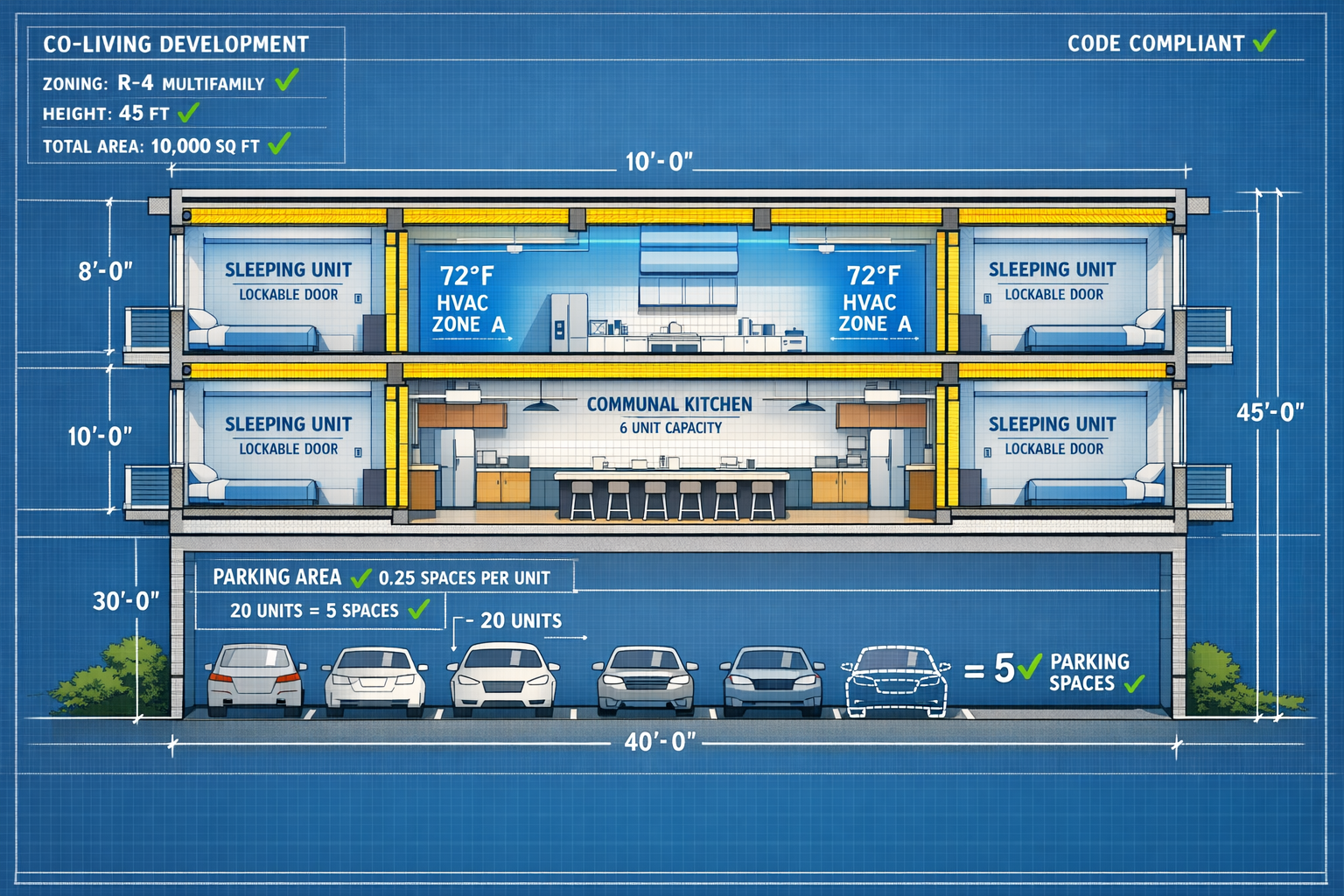
- 🏘️ Co-living regulations are expanding rapidly: Cities must comply with state-mandated ordinances by specific deadlines, with individual sleeping units capped at 250 square feet and parking requirements limited to 0.25 spaces per unit[1]
- 🔍 Level 3 surveys require adaptation: Traditional Level 3 building surveys must now incorporate specialized checklists for shared spaces, fire safety in multi-occupancy settings, and compliance with new habitability standards
- ⚡ Energy efficiency is mandatory: New construction multifamily properties must meet enhanced EPC standards, with California requiring working stoves and refrigerators in all rental units as of January 1, 2026[3][6]
- 👨👩👧👦 Multi-generational design features are essential: Properties must include separate HVAC zones, soundproofing, independent entrances, and additional plumbing capacity to accommodate multiple households
- 📋 Shared facility compliance is non-negotiable: Co-living developments must provide one standard kitchen per six sleeping units, with lockable storage and enclosed shower facilities meeting specific standards[1]
Understanding the 2026 Co-Living and Multi-Generational Housing Boom
The Regulatory Landscape Driving Change
The regulatory environment for co-living and multi-generational housing has transformed dramatically. In March 2026, Lacey City Council unanimously passed Ordinance No. 1697, implementing state-mandated co-living housing regulations required by Engrossed Substitute House Bill 1998[1]. This followed a critical December 31, 2025 deadline, after which cities fell under state preemption if non-compliant.
Key regulatory specifications now in effect include:
| Requirement | Standard | Purpose |
|---|---|---|
| Sleeping Unit Size | Maximum 250 sq ft | Affordability and density calculation[1] |
| Parking Ratio | 0.25 spaces per unit | Reduced infrastructure costs[1] |
| Kitchen Provision | 1 per 6 sleeping units | Adequate shared facilities[1] |
| Storage Requirements | Individual lockable cabinets | Privacy and security[1] |
| Shower Facilities | Individually enclosed, lockable | Privacy compliance[1] |
These regulations represent a fundamental shift in how surveyors must approach property assessments. When conducting what surveyors look for in a house survey, professionals must now verify compliance with these specific co-living standards.
Zoning and Permitted Development Areas
Lacey permits co-living developments in eight zoning districts where multifamily development is allowed, including moderate- and high-density residential areas, mixed-use high-density corridors, Central Business District, and community office districts, plus any zone permitting six or more dwelling units per acre[1].
This expansion of permitted zones creates new opportunities but also new assessment challenges. Building surveyors must understand local zoning requirements and verify that proposed co-living conversions or new builds comply with district-specific regulations.
The Multi-Generational Housing Movement
Parallel to co-living growth, multi-generational housing has surged as families seek to care for aging parents, support adult children, and share housing costs. Common design features in 2026 include[2]:
- Climate control with separate HVAC zones for independent temperature management
- Soundproofing with thicker insulation to maintain privacy between living areas
- Separate entrances for autonomy and privacy
- Extra plumbing capacity for multiple kitchens and bathrooms
California legalized accessory dwelling units (ADUs) statewide in 2017, with Oregon, Washington, and cities including Minneapolis, Portland, Austin, and Seattle subsequently loosening restrictions. This has resulted in tens of thousands of ADU permits annually in California alone[2].
However, persistent permitting barriers remain, including separate utility meter costs exceeding $15,000, mandatory new parking spaces, historic district restrictions, and homeowners' association overrides of municipal rules[2].
Building Surveys for Co-Living and Multi-Generational Homes: Essential Assessment Protocols
Adapting Level 3 Survey Protocols for Shared Occupancy
Traditional Level 3 home surveys provide the most comprehensive assessment of a property's condition. For co-living and multi-generational homes, surveyors must expand these protocols to address unique compliance requirements.
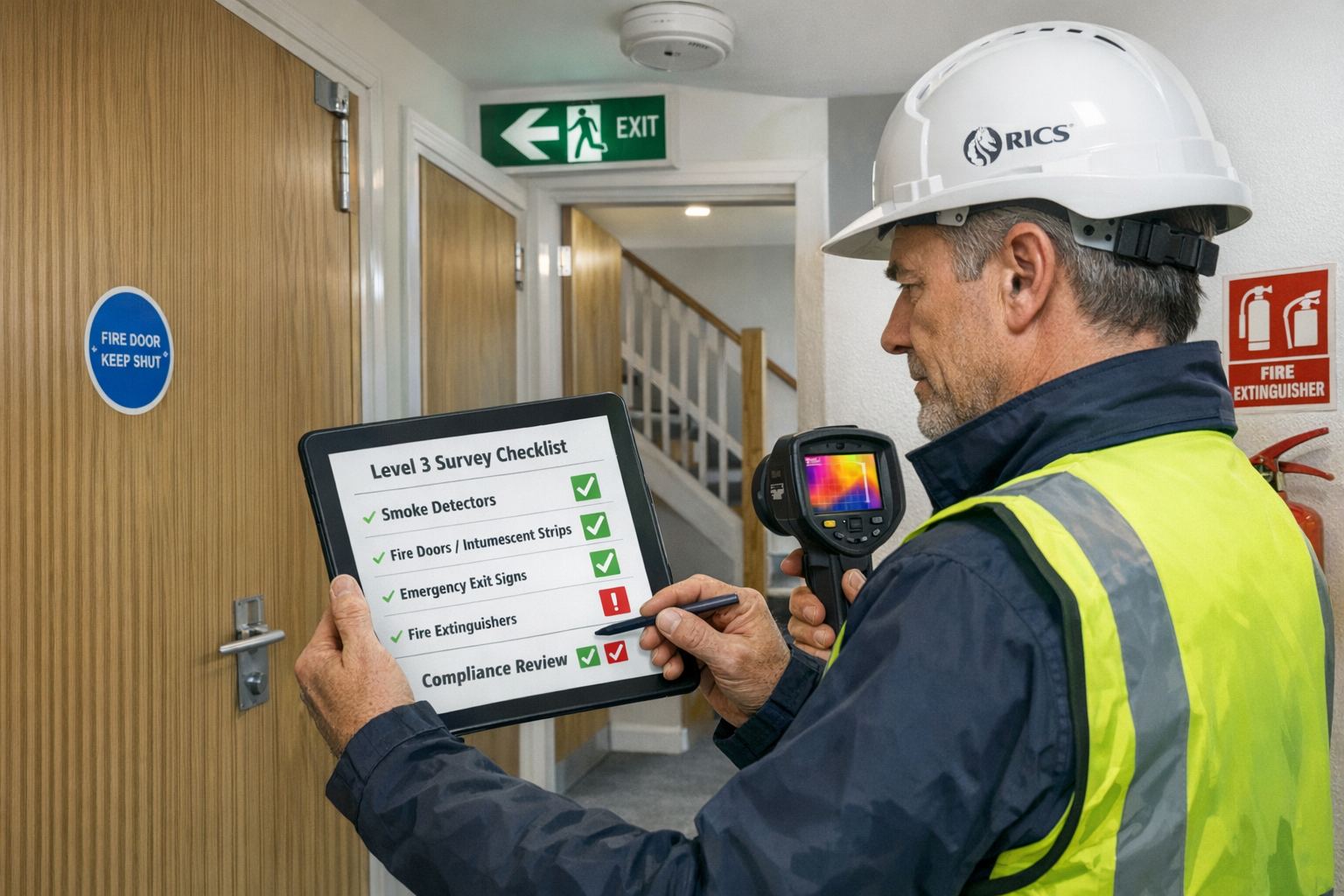
Enhanced Level 3 Survey Checklist for Co-Living Properties:
✅ Structural Assessment
- Load-bearing capacity for increased occupancy
- Foundation integrity with multiple utility connections
- Roof condition and drainage capacity for expanded usage
- Wall construction suitable for soundproofing requirements
✅ Shared Space Compliance
- Kitchen-to-sleeping unit ratios (1:6 minimum)[1]
- Lockable storage provision in shared kitchens
- Adequate ventilation in communal areas
- Fire-rated doors and compartmentation between units
✅ Privacy and Security Features
- Individual lockable sleeping units
- Enclosed, lockable shower facilities
- Separate entrance access where required
- Secure storage for personal belongings
✅ Mechanical and Electrical Systems
- HVAC capacity for multiple zones
- Electrical panel capacity for increased load
- Plumbing infrastructure for multiple bathrooms/kitchens
- Hot water system adequacy for occupancy levels
✅ Safety and Compliance
- Fire detection and alarm systems
- Emergency exit routes and signage
- Fire extinguisher placement and accessibility
- Compliance with local fire safety regulations
When planning your assessment timeline, refer to guidance on how long house surveys take to ensure adequate time for these expanded checks.
Fire Safety Compliance in Multi-Occupancy Settings
Fire safety represents the most critical compliance area for co-living and multi-generational homes. Unlike single-family dwellings, these properties house multiple households or unrelated individuals, creating higher fire risk profiles.
Fire Safety Assessment Requirements:
🔥 Detection and Alarm Systems
- Interconnected smoke detectors in all sleeping units
- Heat detectors in kitchens and communal areas
- Manual call points at exit routes
- Audible alarms throughout the property
🔥 Fire Separation and Compartmentation
- Fire-rated doors (minimum FD30) between units
- Intumescent strips and smoke seals on fire doors
- Fire-resistant walls separating sleeping units
- Proper sealing of service penetrations
🔥 Means of Escape
- Clear, unobstructed escape routes
- Emergency lighting in corridors and exits
- Fire-resistant construction for escape stairs
- Alternative escape routes where required
🔥 Fire Fighting Equipment
- Appropriately rated fire extinguishers
- Fire blankets in shared kitchens
- Clear signage for equipment locations
- Regular maintenance records
"Fire safety in co-living environments requires a fundamentally different approach than traditional residential surveys. The increased occupancy density and shared facilities create unique risks that must be thoroughly assessed and mitigated." — RICS Fire Safety Guidance 2026
For properties requiring structural modifications, consider commissioning structural surveys to ensure fire safety upgrades don't compromise building integrity.
Habitability Standards and Tenant Welfare
California's Assembly Bill 628 requires all residential rental units as of January 1, 2026 to have working stoves and refrigerators as habitability standards, with exceptions for single-room occupancy units with shared food preparation facilities and units within facilities offering communal kitchens[3].
This legislation highlights the growing emphasis on minimum habitability standards in shared housing. Surveyors must verify:
- Adequate cooking facilities meeting local standards
- Refrigeration capacity appropriate for occupancy
- Food storage meeting health and safety requirements
- Waste management systems adequate for resident numbers
- Ventilation preventing moisture and mold issues
Assessing Accessibility and Universal Design
Multi-generational homes often house elderly or disabled residents. Surveys should assess:
- Step-free access to essential areas
- Doorway widths accommodating wheelchairs (minimum 32 inches clear)
- Bathroom accessibility including grab bars and roll-in showers
- Kitchen accessibility with adjustable or varied counter heights
- Lighting levels adequate for aging vision
Energy Performance and Sustainability Compliance in 2026
Mandatory Energy Efficiency Standards
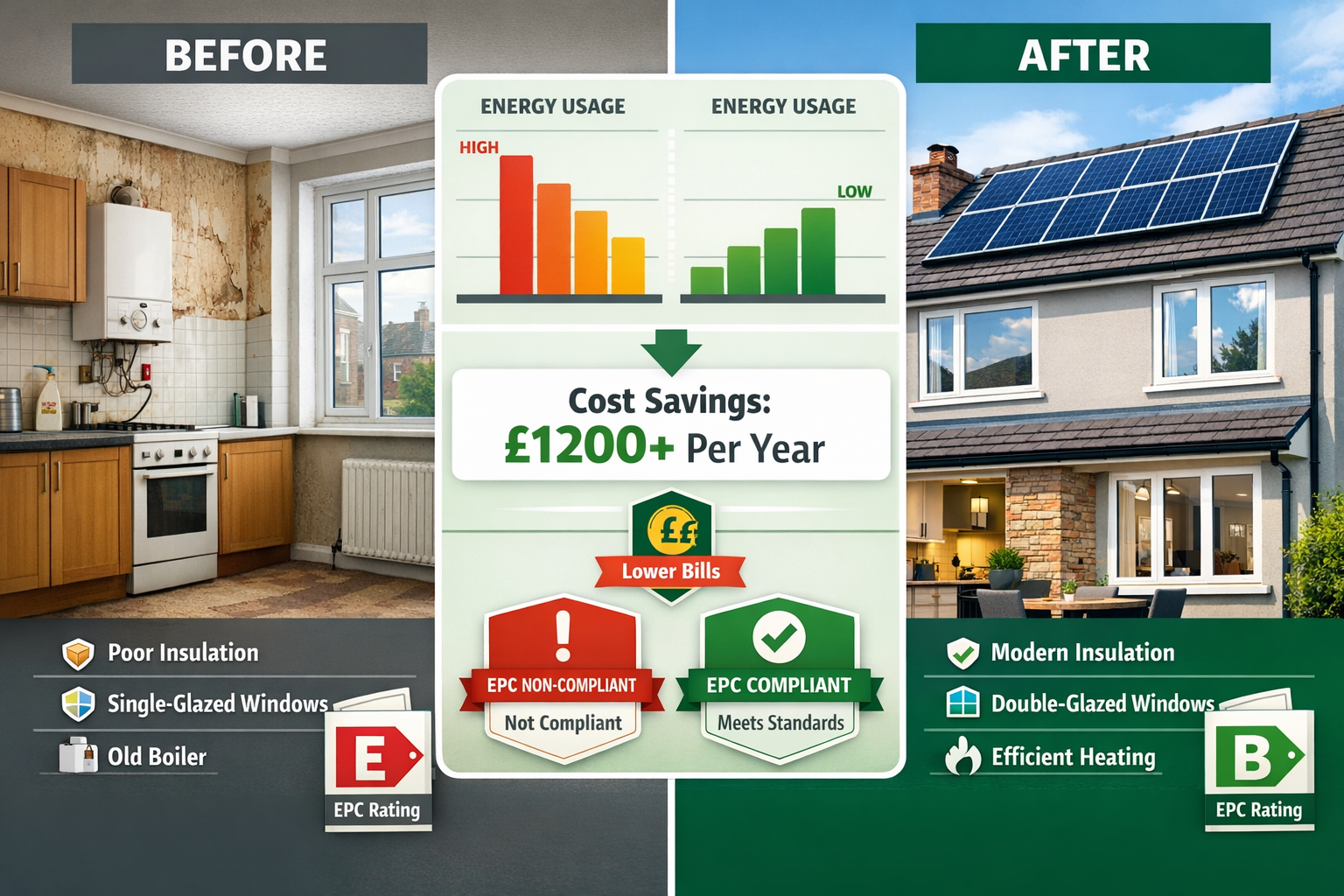
New Mexico's 2026 design standards require new construction multifamily properties to be designed for greater energy efficiency and decreased water usage[6]. This trend reflects broader regulatory movements toward sustainability in multi-occupancy housing.
EPC Assessment Priorities for Co-Living Properties:
⚡ Heating and Cooling Systems
- Efficiency ratings of boilers and heat pumps
- Zoned heating controls for individual units
- Insulation levels in walls, roofs, and floors
- Window glazing performance (U-values)
⚡ Lighting and Electrical
- LED lighting throughout common areas
- Energy-efficient appliances in shared kitchens
- Smart meters and individual unit monitoring
- Renewable energy integration (solar panels)
⚡ Water Efficiency
- Low-flow fixtures in bathrooms
- Water-efficient appliances
- Rainwater harvesting systems
- Leak detection and prevention
⚡ Building Fabric
- Air tightness testing results
- Thermal bridging elimination
- Ventilation with heat recovery
- Sustainable building materials
Properties with poor EPC ratings may require significant upgrades to meet rental standards. A comprehensive house survey checklist should include energy performance assessment as a core component.
Retrofit Challenges in Existing Properties
Converting existing properties to co-living or multi-generational use presents unique energy efficiency challenges:
Common retrofit requirements include:
- Enhanced insulation without reducing already-limited space
- Upgraded heating systems capable of zoned control
- Improved ventilation preventing condensation in higher-occupancy settings
- Window replacement balancing thermal performance with heritage considerations
- Renewable energy integration within existing building constraints
For properties requiring detailed defect analysis before retrofitting, consider a RICS specific defect survey to identify issues that may complicate energy upgrades.
Water Usage and Drainage Capacity
Increased occupancy places significant demands on water supply and drainage systems. Surveyors must assess:
- Water pressure adequate for multiple simultaneous users
- Hot water capacity meeting peak demand periods
- Drainage pipe sizing preventing backups and overflows
- Septic system capacity (if applicable) for increased load
- Greywater and blackwater management systems
Overcoming Common Survey Challenges in Co-Living Assessments
Access and Coordination Issues
Surveying occupied co-living properties presents logistical challenges:
- Multiple tenants requiring individual access arrangements
- Occupied sleeping units limiting inspection scope
- Shared spaces in constant use
- Privacy concerns restricting photography and documentation
Best practices include:
- Scheduling surveys during low-occupancy periods
- Providing advance notice to all residents
- Coordinating with property managers for access
- Using non-invasive inspection techniques where possible
- Respecting tenant privacy while maintaining thoroughness
Identifying Non-Compliant Conversions
Many co-living properties result from informal conversions of single-family homes. Surveyors must identify:
🚩 Red flags for non-compliant conversions:
- Inadequate fire separation between units
- Insufficient emergency exits
- Overloaded electrical systems
- Inadequate kitchen/bathroom ratios
- Missing building permits or approvals
- Non-compliant bedroom window sizes for egress
When non-compliance is identified, surveyors should provide clear recommendations for remediation, including estimated costs and regulatory requirements.
Assessing Soundproofing and Privacy
Acoustic performance is critical for tenant satisfaction and retention. Modern multi-generational homes incorporate thicker insulation for soundproofing[2], but many conversions lack adequate acoustic separation.
Soundproofing assessment should evaluate:
- Airborne sound insulation between units (target: minimum 45dB reduction)
- Impact sound insulation for floors/ceilings (target: maximum 62dB)
- Flanking transmission through walls and service penetrations
- Common area noise affecting sleeping units
For properties requiring party wall work or modifications affecting shared structures, consult guidance on party wall surveys.
Financial Considerations and Valuation Factors
Impact on Property Values
Co-living and multi-generational configurations can significantly affect property valuations:
Positive value factors:
- Increased rental income potential
- Growing tenant demand
- Compliance with modern housing needs
- Energy efficiency improvements
Negative value factors:
- Conversion costs and compliance upgrades
- Limited buyer pool for specialized properties
- Potential reversal costs to single-family use
- Maintenance complexity
When valuation is required alongside survey work, consider professional valuation services to accurately assess market position.
Cost Estimation for Compliance Upgrades
Surveyors should provide realistic cost estimates for identified defects and compliance issues:
| Upgrade Category | Typical Cost Range (UK) | Priority Level |
|---|---|---|
| Fire door installation | £300-£600 per door | Critical |
| Fire alarm system | £1,500-£4,000 | Critical |
| Soundproofing upgrades | £50-£150 per m² | High |
| HVAC zoning | £3,000-£8,000 | High |
| EPC improvements | £5,000-£25,000 | Medium-High |
| Kitchen upgrades | £2,000-£8,000 per unit | Medium |
| Bathroom additions | £4,000-£12,000 per unit | Medium |
These estimates help property owners and investors make informed decisions about feasibility and return on investment.
Future-Proofing Co-Living and Multi-Generational Properties
Anticipating Regulatory Changes
The regulatory landscape continues to evolve rapidly. Surveyors should advise clients on likely future requirements:
- Stricter energy performance standards beyond current EPC minimums
- Enhanced accessibility requirements for aging populations
- Technology integration mandates (smart meters, fire monitoring)
- Sustainability certifications becoming standard expectations
- Tenant welfare standards expanding beyond basic habitability
Technology Integration in Surveys
Modern surveying increasingly incorporates advanced technology:
- Thermal imaging for insulation and moisture detection
- Drone surveys for roof and exterior assessment
- 3D scanning for accurate spatial documentation
- Moisture meters for hidden water damage
- Acoustic testing equipment for soundproofing verification
Consider specialized services like drone surveys for comprehensive exterior assessment of larger multi-unit properties.
Maintenance Planning and Lifecycle Considerations
Co-living properties require more intensive maintenance than single-family homes. Survey reports should include:
- Immediate repairs requiring attention before occupancy
- Short-term maintenance (1-2 years)
- Medium-term replacements (3-5 years)
- Long-term capital expenditure (5-10 years)
- Annual maintenance budgets based on property condition
This forward-looking approach helps property owners plan financially and maintain compliance over time.
Conclusion
Building Surveys for Co-Living and Multi-Generational Homes: Assessing Compliance in 2026 Tenant Demand Surge represents a critical evolution in property assessment practices. As regulatory frameworks tighten and tenant demand for affordable shared housing grows, building surveyors must adapt their methodologies to address the unique challenges these properties present.
The key to successful co-living and multi-generational property assessment lies in understanding the intersection of traditional structural evaluation, modern fire safety requirements, energy performance standards, and evolving habitability regulations. From the 250 square foot sleeping unit limits and 0.25 parking space ratios now mandated in jurisdictions like Lacey[1], to California's new requirements for working stoves and refrigerators[3], compliance has become increasingly complex and non-negotiable.
Actionable Next Steps
For property owners, investors, and landlords considering co-living or multi-generational conversions:
- Commission a comprehensive Level 3 survey from a RICS-qualified surveyor experienced in multi-occupancy properties
- Verify local zoning compliance before proceeding with conversions or new builds
- Budget adequately for fire safety, soundproofing, and energy efficiency upgrades
- Engage early with building control and planning authorities
- Plan for ongoing compliance with evolving regulations and maintenance requirements
For building surveyors expanding into this growing sector:
- Update assessment protocols to incorporate co-living-specific checklists
- Develop expertise in fire safety regulations for multi-occupancy settings
- Invest in technology for thermal imaging, acoustic testing, and comprehensive documentation
- Build relationships with specialists in HVAC, fire safety, and accessibility design
- Stay informed on rapidly evolving regulations and best practices
The 2026 tenant demand surge for co-living and multi-generational housing isn't a temporary phenomenon—it represents a fundamental shift in how people choose to live. Properties that meet compliance standards while providing quality, affordable housing will thrive in this new landscape. Those that cut corners or ignore regulatory requirements face significant risks, from enforcement action to tenant safety incidents.
By conducting thorough, compliance-focused building surveys that address the unique characteristics of shared housing, property professionals can ensure these homes meet the needs of modern tenants while maintaining the highest standards of safety, efficiency, and livability. The future of housing is shared, and the surveyors who adapt to this reality will find themselves at the forefront of an expanding and essential market.
For expert guidance on your co-living or multi-generational property assessment needs, explore our comprehensive survey services or contact our team of RICS-qualified professionals.
References
[1] Lacey City Council Adopts Co Living Housing Regulations,28453 – https://www.thejoltnews.com/stories/lacey-city-council-adopts-co-living-housing-regulations,28453
[2] The Rise Of Multigenerational Housing – https://homebuyinginstitute.com/mortgage/the-rise-of-multigenerational-housing/
[3] Bills Passed And Signed By The Governor To Become Effective For 2026 And Harmful Bills That Were St – https://members.aagla.org/news/bills-passed-and-signed-by-the-governor-to-become-effective-for-2026-and-harmful-bills-that-were-st
[6] New Mexico Design Standard 2026 12052025 – https://www.novoco.com/public-media/documents/new-mexico-design-standard-2026-12052025.pdf
